




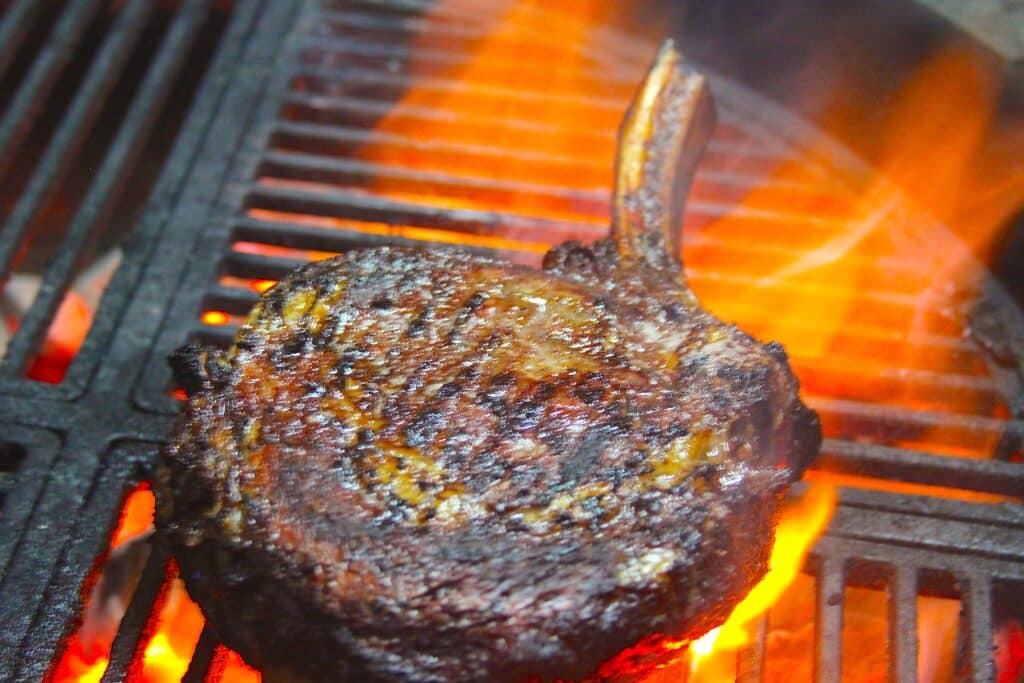
With all the hoopla over juice cleanses and New Year’s resolutions, you’d never know that January is National Meat Month. Well, it’s true. And Americans are eating more meat than ever. Surprise! According to the USDA, the average consumer will eat 227 pounds of red meat and poultry this year, edging out our last record high of 226 pounds per person in 2025. Chicken accounts for most of that: Americans eat more than 102 pounds per person per year. Yup, we’re eating more meat. Chalk it up to protein. Americans are looking to get more protein and fewer carbs in their diets, and meat easily fills the bill. Meat is also getting more expensive. To make sure you get the most out of your hard-earned dollars, here are our top 5 meat tips, courtesy of our own barbecue whisperer, Meathead.
Our Top 5 Meat Tips
- Use a thermometer. Medium-rare is 130ºF in beef, pork, lamb, venison, duck breasts, and even fish. Don’t bother looking at the color. It’s all about the internal temperature. Use a thermometer and you’ll never overcook food again. A reliable thermometer is more important to good cooking than a set of expensive knives. Check out our reviews of various reliable thermometers by electrical engineer BillMcGrath here.
- Master the 2-zone setup. High heat ruins more food than anything else. We grill too hot! To stop burning and dehydrating your food, set up your cooker with 2 heat zones, high and low. High is pretty much Warp 10, “Give it all she’s got Scotty!” It is direct radiant heat right above flame. Hit Warp 10 to sear and brown the surface of meat but not to cook the interior of the meat. Low is 225ºF- That’s the magic number. The low zone does not have flame below it and it gets warm by indirect convection airflow. When you cook outside, these are the two numbers you need to remember. However, there’s one exception: For skin-on poultry, I like the low zone at 325ºF to help crisp up the skin. To see all the details on setting up your cooker for 2-zone cooking, click here.
- Trim surface fat. Want to avoid flare-ups? Trim the fat from the surface of your meat. Fat drips into the fire and flares up so get rid of it. When it melts, surface fat does not penetrate the meat and moisturize it and make it taste better: that’s a myth. If you don’t trim surface fat, your guests will. And there goes your flavorful spice rub and browned crust. Trim the surface fat, and if you want to know more about why, go here.
- Don’t be afraid of salt. Salt is the magic rock. Herbs and spices sit on the surface of food, but salt dissolves and penetrates. It amplifies the taste of whatever you put it on, from meat to vegetables. And it helps meats hold onto moisture. Worried about your salt intake? Keep in mind that most of the sodium in our diets comes from processed and packaged foods and restaurant meals, not home cooking. Salt your meat in advance, so it can migrate to the center and deepen the flavor and hang onto moisture. But don’t be afraid to salt your food (Read more about different salts, brines, and rubs here.)
- It’s OK to go boneless. It’s a myth that grilled meat tastes better if it’s bone-in. That bone-in ribeye looks great on the plate but won’t taste any better than a boneless ribeye. Bone walls are made of calcium, which does not dissolve during cooking. The bone marrow also does nothing to flavor the meat during grilling and many bones are full of air pockets. They slow heat from getting to the meat. That’s why bone-in meat tends to cook unevenly with dry, overcooked edges and red rare meat near the bones. For even doneness, try boneless cuts. Read more about bones and the myths that surround them here.
Why We Require You To Sign In Before You Can Post Comments
Before you can post a comment or question you must sign into our commenting partner, Disqus. This is helps make sure everyone hanging around the grill is civil. We do not tolerate nastiness, racism, porn, inappropriate language, or attacks on others. All comments are the property of AmazingRibs.com and we reserve the right to quote them, edit them, delete them, and block people from making future comments.
Please leave comments and questions on the page devoted to the same subject so others can see them and our answers when they are reading about that subject. You must enable JavaScript to use the comments section, and you must accept cookies to post comments. Note that the software that runs Disqus is different from the Pitmaster Club so members need to sign into that separately.
Moderators