


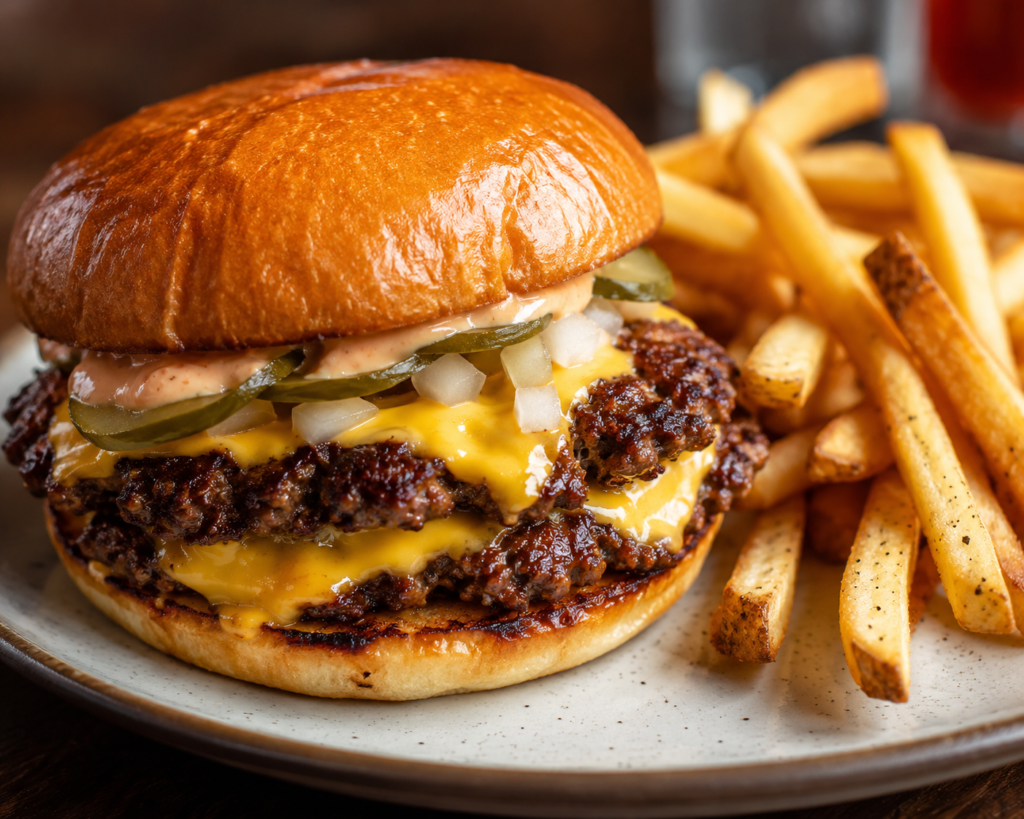
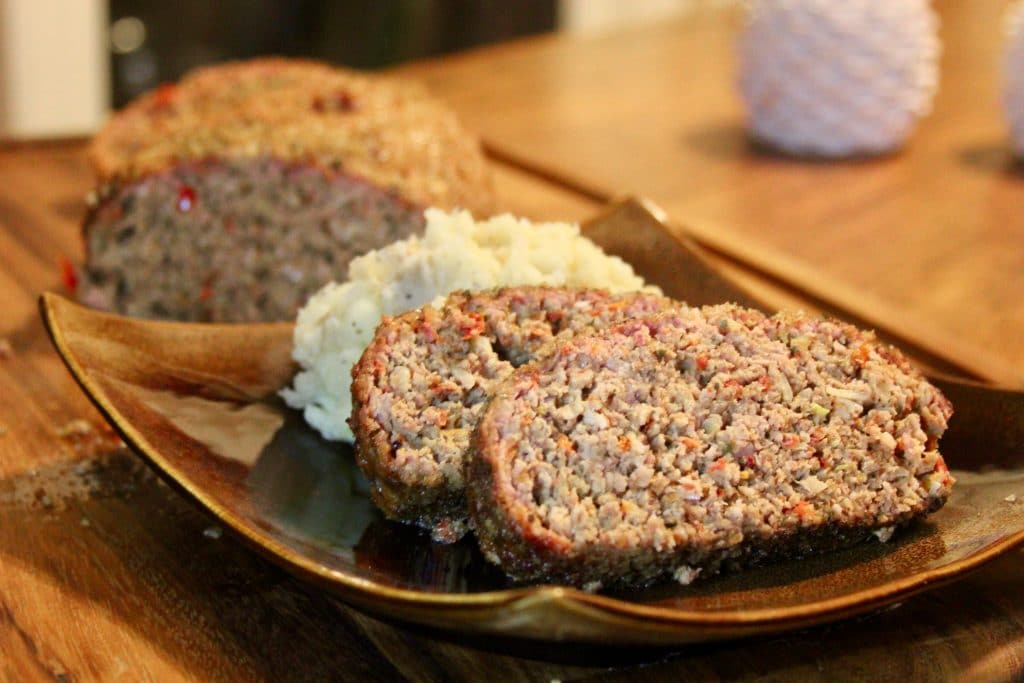
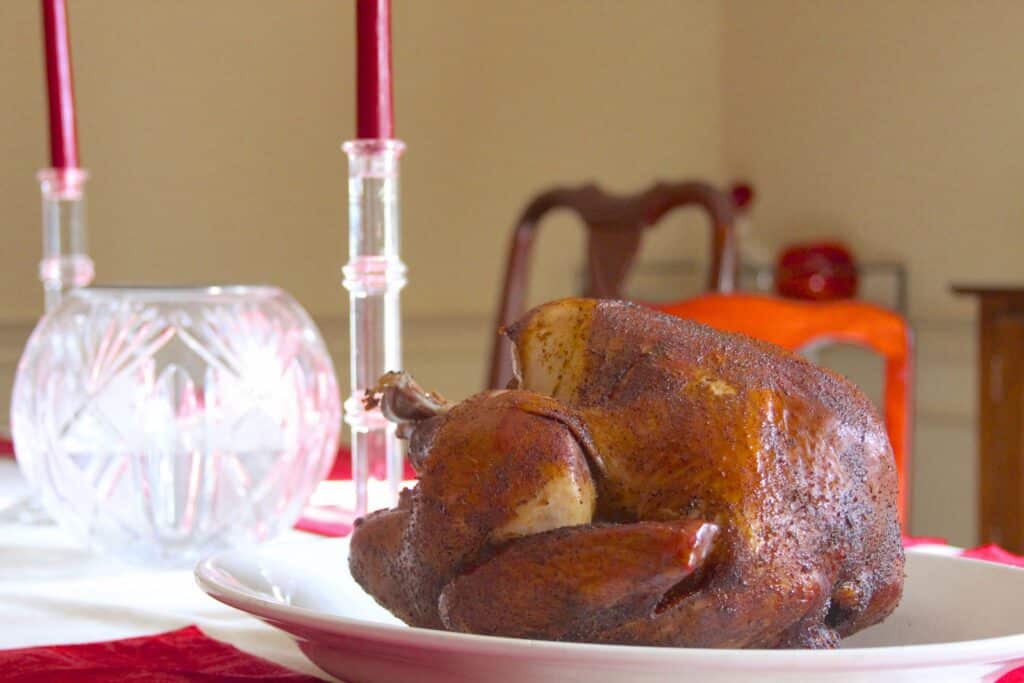
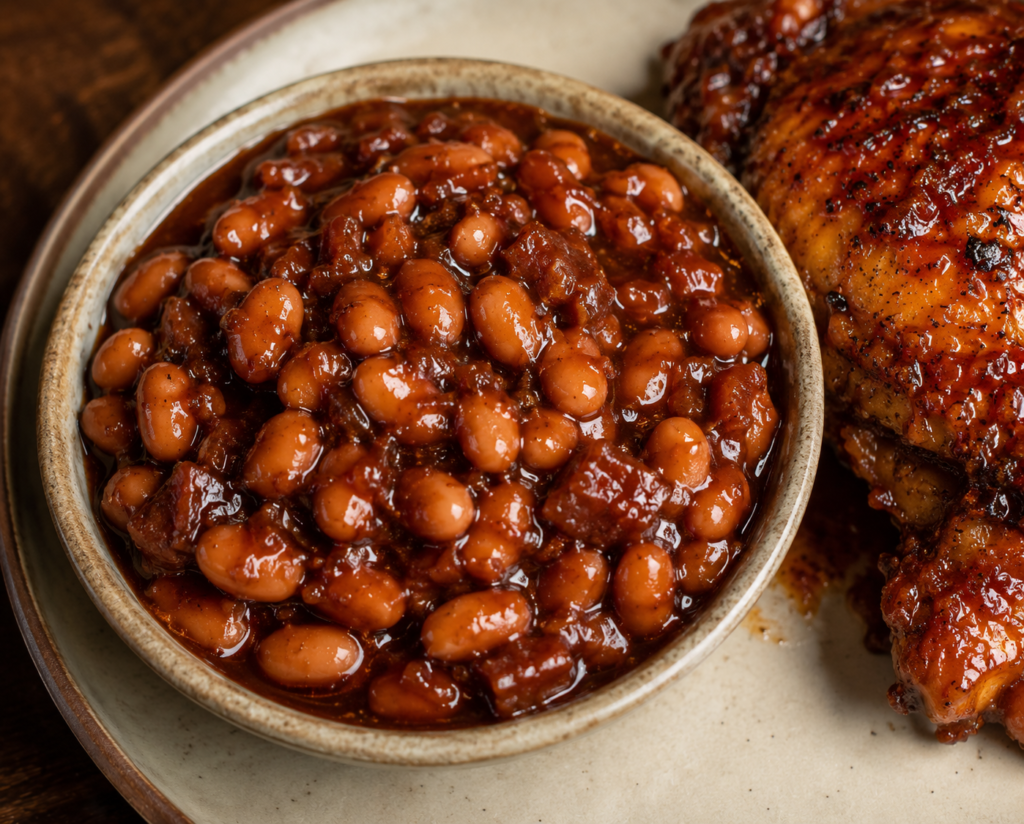
Our philosophy is simple: great food starts with great flavor. We create approachable, thoroughly tested barbecue and grilling recipes using fresh ingredients and practical techniques. For the best results, follow the recipe closely the first time, prep your ingredients before cooking, and always cook with a thermometer—not a clock. Check out the recipe categories below. Need something specific? Use our Recipe Search Tool to find exactly what you’re looking for.






Gozney Arc Pizza Oven
If you’re in the market for a high-performance pizza oven that can also roast, sear, and bake, you could hardly do better than the Gozney Arc XL pizza oven.
Before you can post a comment or question you must sign into our commenting partner, Disqus. This helps make sure everyone hanging around the grill is civil. We do not tolerate nastiness, racism, porn, inappropriate language, or attacks on others. All comments are the property of AmazingRibs.com and we reserve the right to quote them, edit them, delete them, and block people from making future comments.
Please leave comments and questions on the same page that is devoted to that subject so others can see questions and our answers when they are reading about the subject. You must enable JavaScript to use the comments section, and you must accept cookies to post comments. Note: the software that runs Disqus is different from the Pitmaster Club, so members need to sign into the Pitmaster Club separately.