

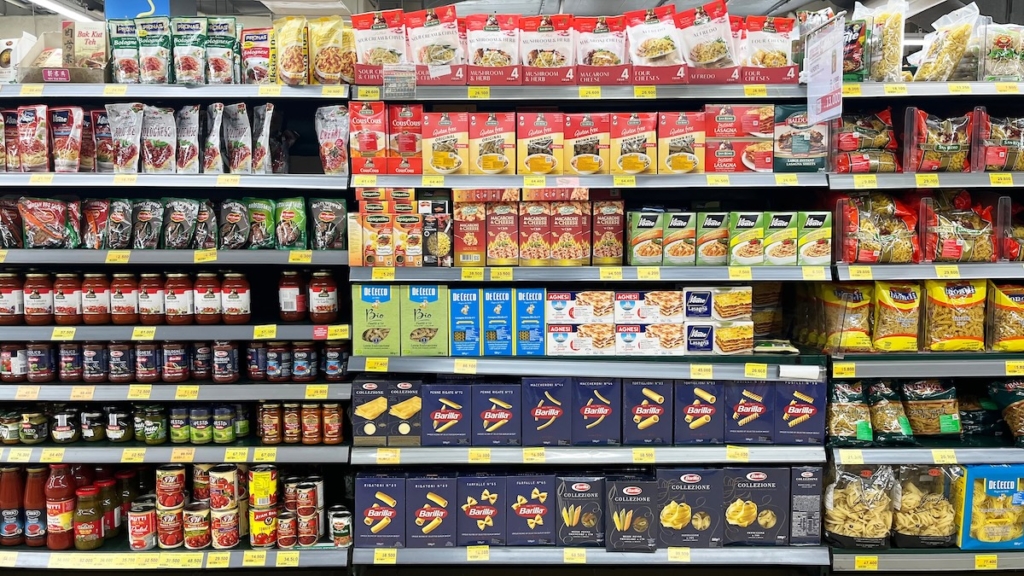
Is Processed Food Bad? What About Hybrids? Bio-Engineered? GMOs? Lab Grown? 3D Printed?
We explain them all Eve plucked an apple and handed it to Adam. A pure, simple, raw, unprocessed, delicious apple. And for this they were kicked out of Eden. Then they had to find food in the real world. There were raw fruits and vegetables, but the breakthrough came after a forest fire. They discovered […]
Is Red Meat Bad For You? Limited Research Robs Us of a Clear Answer
Definitive advice about good vs. bad foods would be great, but eating a varied diet is a wise move while we wait. This article originally appeared in the Washinton Post and is reprinted with permission from the author. Over and over, we ask the question: Is Food X good or bad for you? And, over […]
Despite What They Say, Saturated Fat Is Bad For You
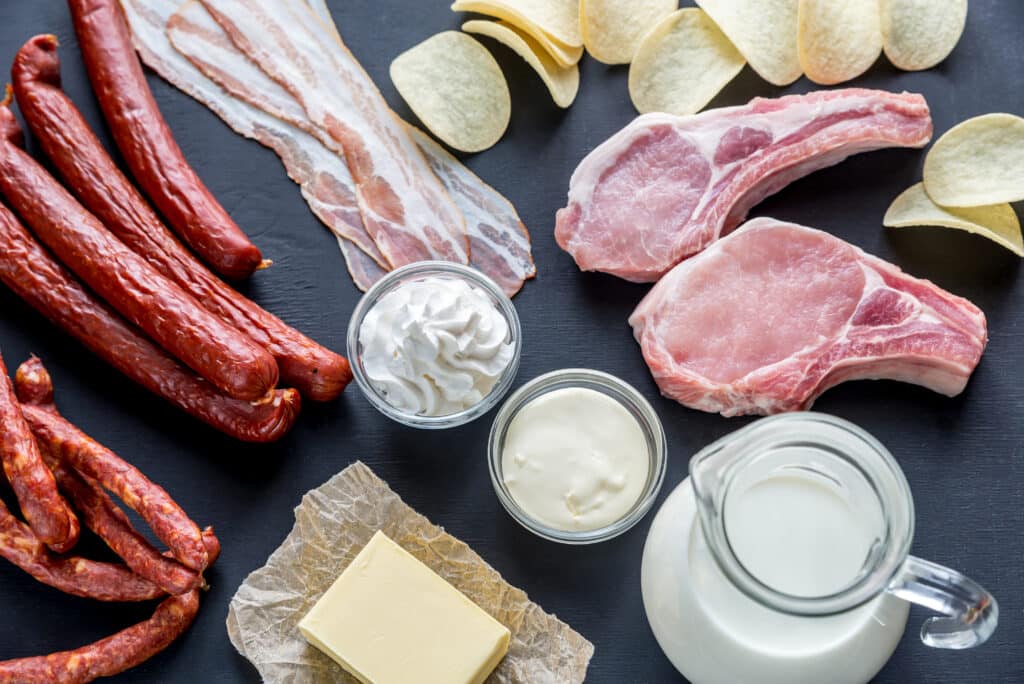
From social media to scientific journals, there is an endless debate over whether or not saturated fats are bad for you. James Beard winner Tamar Haspel explains why the answer is simpler than you think.
Thawing Meat And Busting The Hot Water Thawing Myth
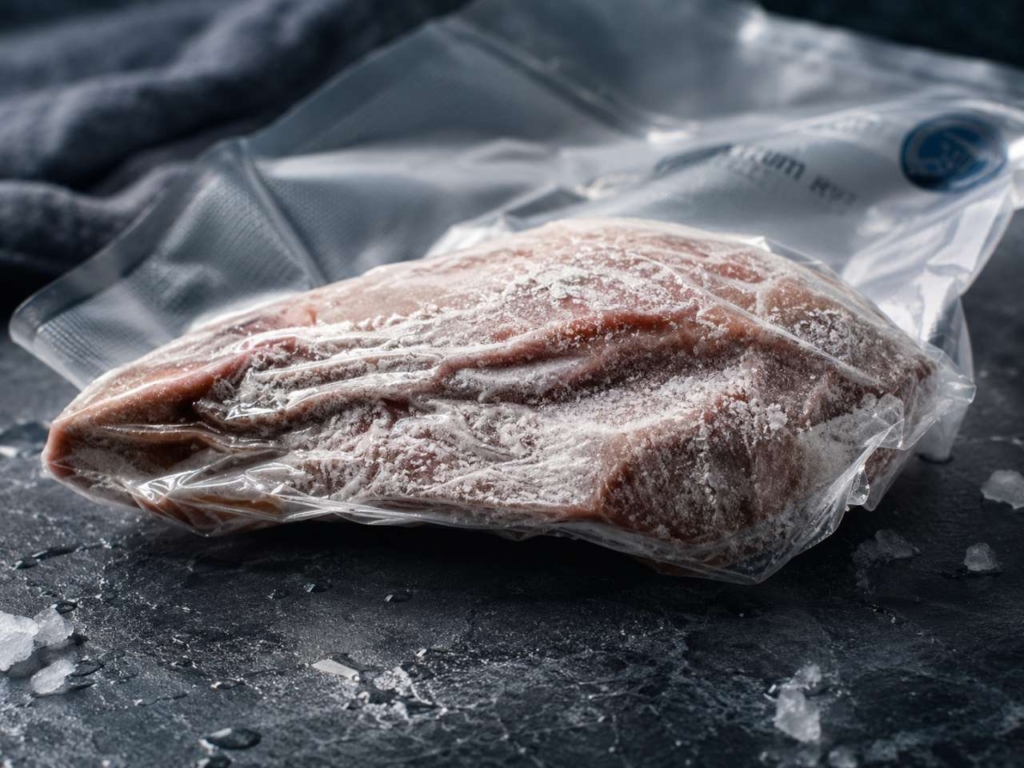
Here’s how to thaw or defrost meat safely. Surprisingly, you can do it in hot water! That method works best for thinner cuts of meat. For thicker cuts, find out what works best, including thawing in the refrigerator and in cold water. It’s all food safety and preserving precious meat juices.
What Causes The BBQ Stall: It’s Not What You Think
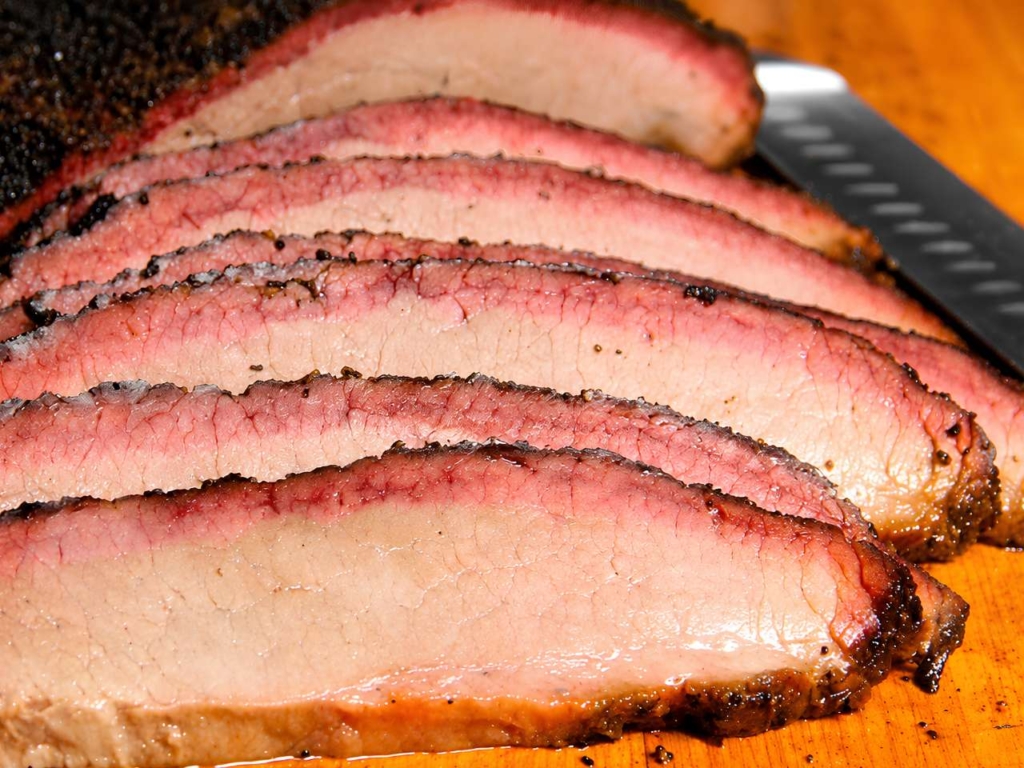
Large hunks of barbecued meat have this nasty habit of rising to 150°F inside and then stopping there. But what causes the stall? It’s likely not what you think!
Myth: Chicken Is Ready When the Juices Run Clear
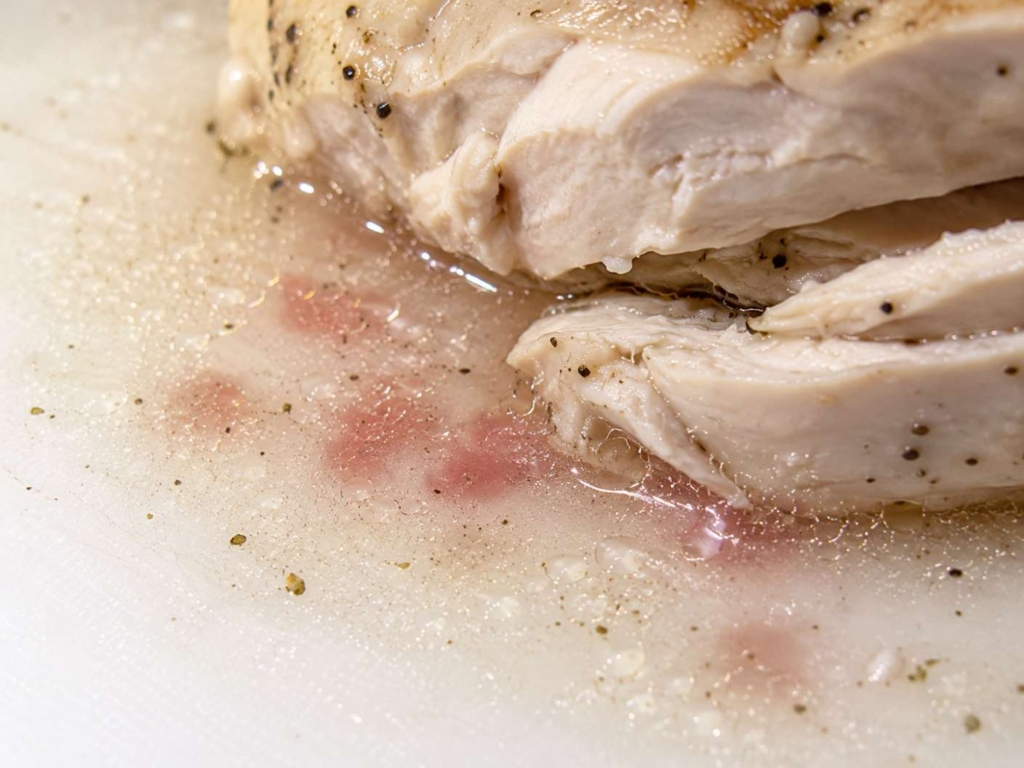
Many recipes say to cook poultry ‘until the juices run clear’. If you do, you could end up overcooking your poultry or spending the night on the toilet. Find out the real science behind pink juices, undercooked chicken, safe doneness temperatures, salmonella, and why the best tool for food safety is a good thermometer.
Does Grilling Cause Cancer?
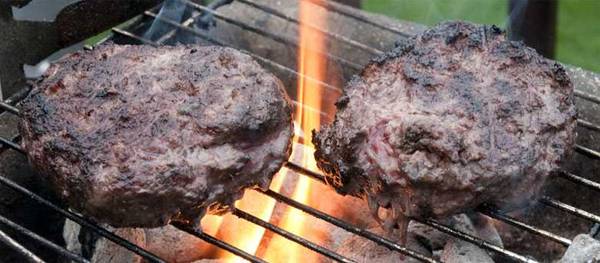
Are you concerned about the healthfulness of grilling? This article answers the question “Is there a cancer risk in grilling meat?” Find out all about HCAs, PAHs, and the general health aspects of consuming smoked and grilled food.
Myth: The Bones Make The Meat Better
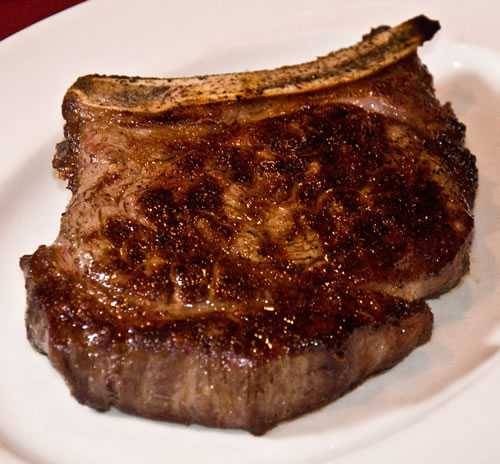
“Tender at the bone” is a common phrase in cooking. It leads many cooks to believe that bones make the meat better. Is it true that bone-in meat tastes better than boneless meat? Do bones add flavor or somehow make meat more tender near the bone? We have the answers, and they may surprise you.
Myth: A Melting Fat Cap Penetrates Meat
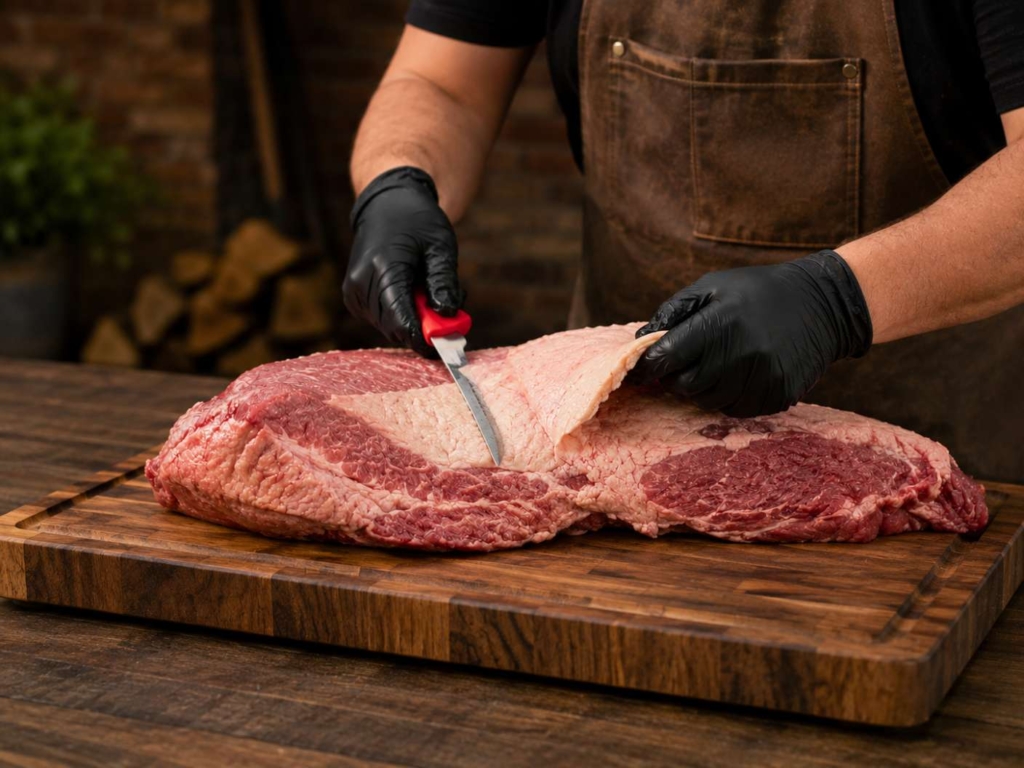
The fat on the outside of meat does not melt and penetrate the muscle fibers making the meat moister. That is a myth. Here’s the science on different types of fat, what happens as fat heats and melts, and the best way to trim meats before cooking to create the most delicious browned bark or crust.
Myth: If You’re Lookin’ You Ain’t Cookin’
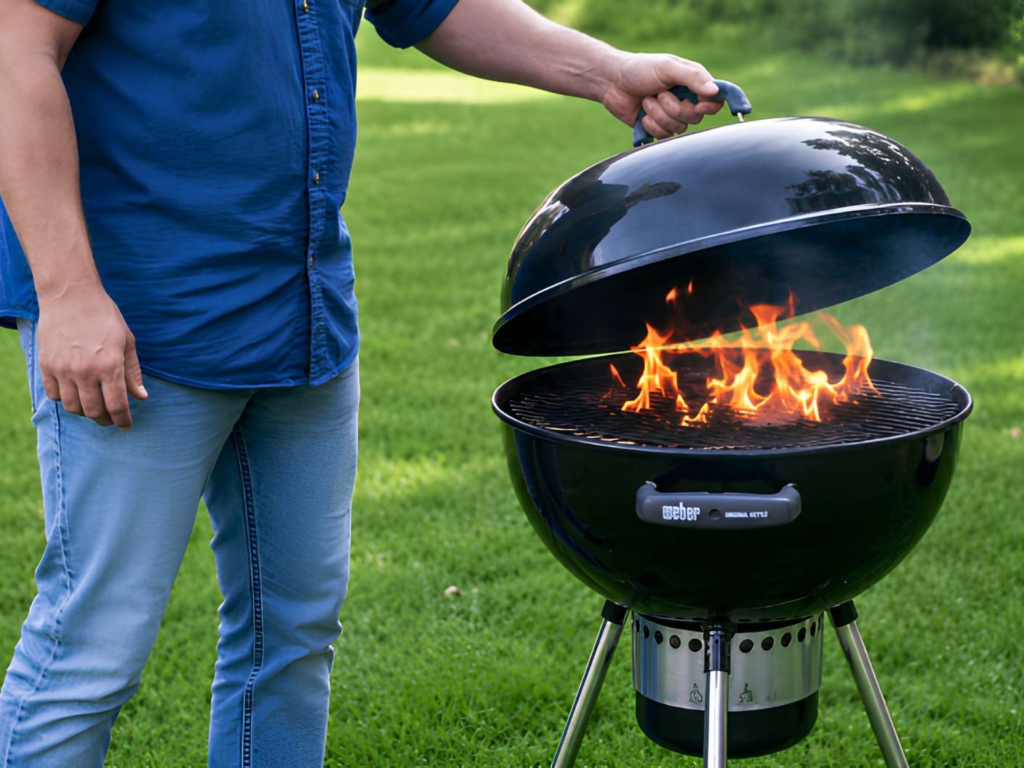
Conventional wisdom says you should keep the grill lid closed at all times. What do precise measurements tell us? It turns out that opening the lid may not have a huge effect on the grill’s ambient temperature. Learn about all the variables and whether or not a steady temperature makes a big difference anyway.
Frankophilia: The Hot Dog Creation Myth
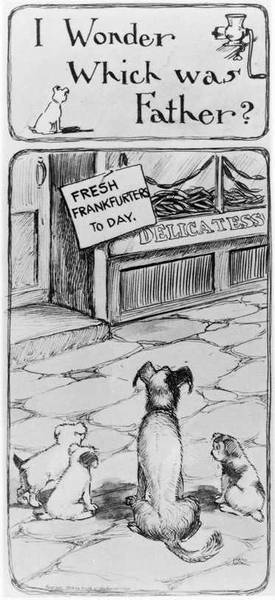
Who invented hot dogs? The bun? When were they first sold? And who named them hot dogs. We answer your questions and dispel the myths.
Golden Brown And Delicious: Why We Love Crust And How It’s Made
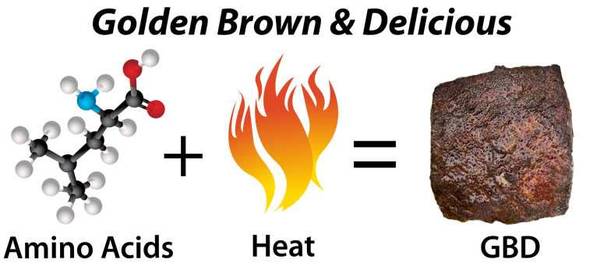
Recipes often tell you to cook food until it is browned. Why? Browning is flavor! The most important chemical changes in food occur when heat initiates the Maillard reaction and caramelization. These processes make food GBD: Golden Brown and Delicious. Read on to find out how it all works.
Cold Smoking Meats: Don’t Do It
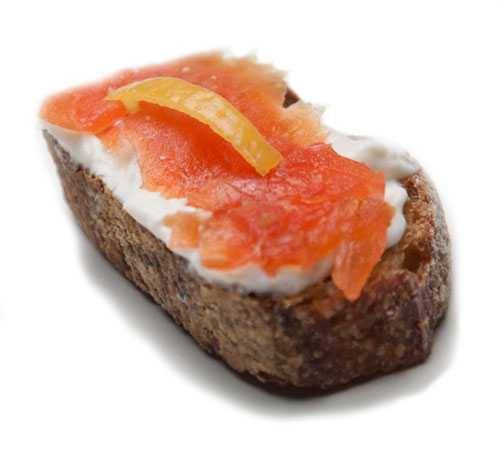
Cold smoking sausage and fish is risky and can kill you. Here are the risks and why you should not try it at home. Bottom line: holding foods in the “danger zone” of 40ºF to 140ºF allows pathogens to multiply if not carefully controlled. Food cooked to above 140ºF internal temperature is simply safer to eat.
Myth: Let Meat Come To Room Temp Before Cooking
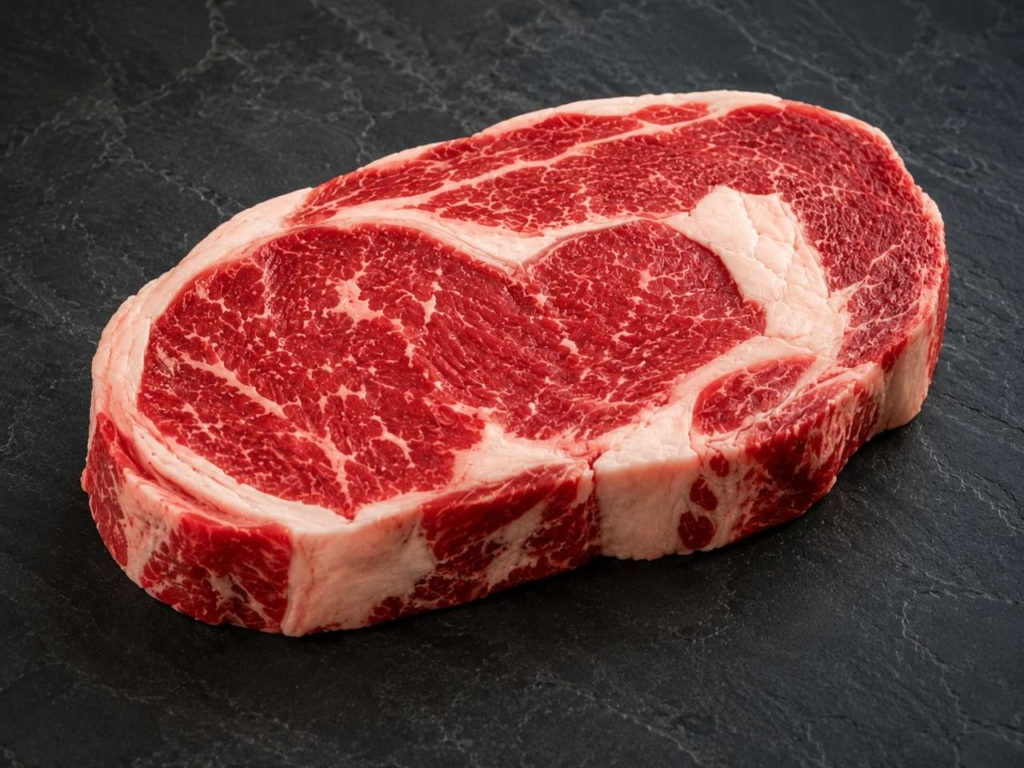
Do not bring your meat to room temperature before cooking it. That is a myth that poses a food safety risky. Letting meat sit at room temperature for a few minutes may be OK, but it’s safer and better to simply take your meat from the refrigerator to the cooker. Here’s why.
Meat Stabbing Myth: Poking Meat With a Fork, Thermometer, or Knife Drains Juices
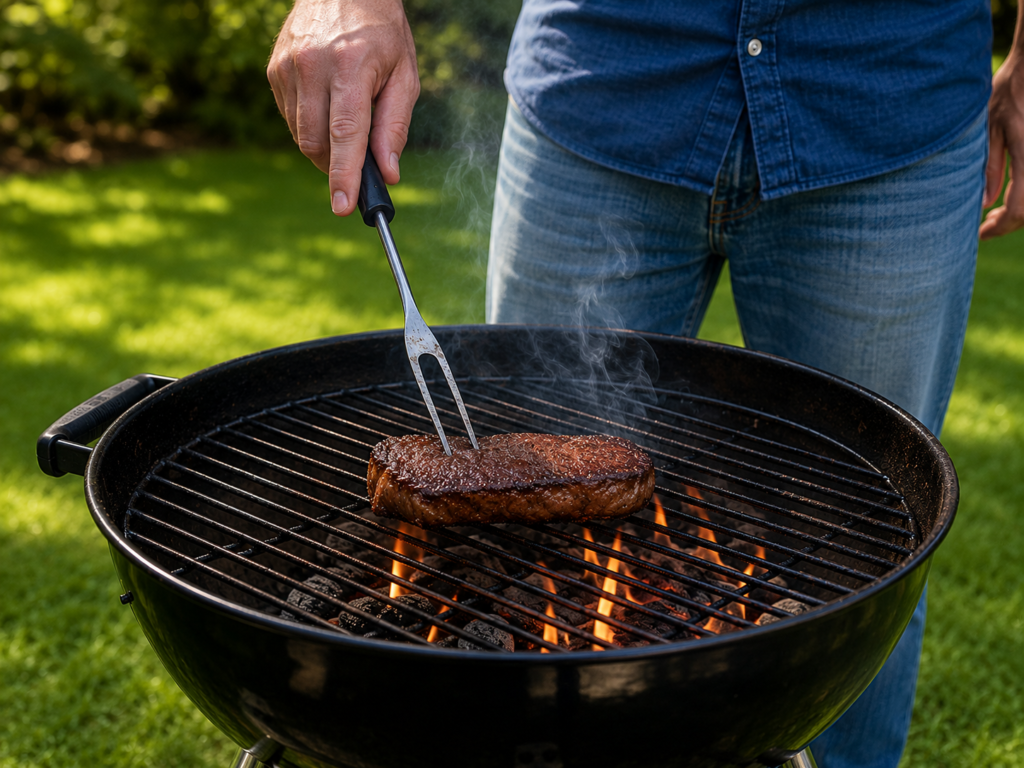
Does poking meat drain way all its juices? No. A piece of meat is not a water balloon. If you test it with a thermometer, all its juices will not drain away. In fact, using a thermometer is the only sure-fire way to judge the internal doneness temperature of meat. Find out why in this mythbusting article.