

Myth: The Bones Make The Meat Better
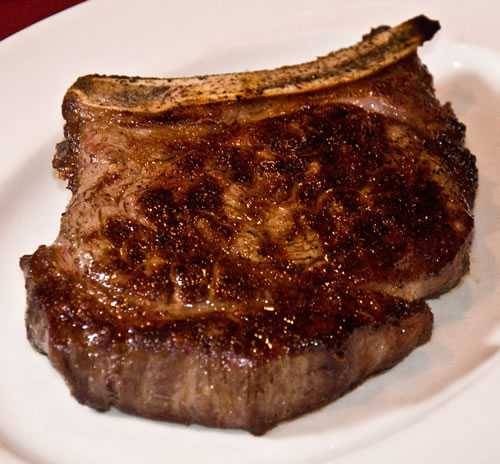
“Tender at the bone” is a common phrase in cooking. It leads many cooks to believe that bones make the meat better. Is it true that bone-in meat tastes better than boneless meat? Do bones add flavor or somehow make meat more tender near the bone? We have the answers, and they may surprise you.
How to Remove the Membrane from Ribs: Skin & Trim ‘Em
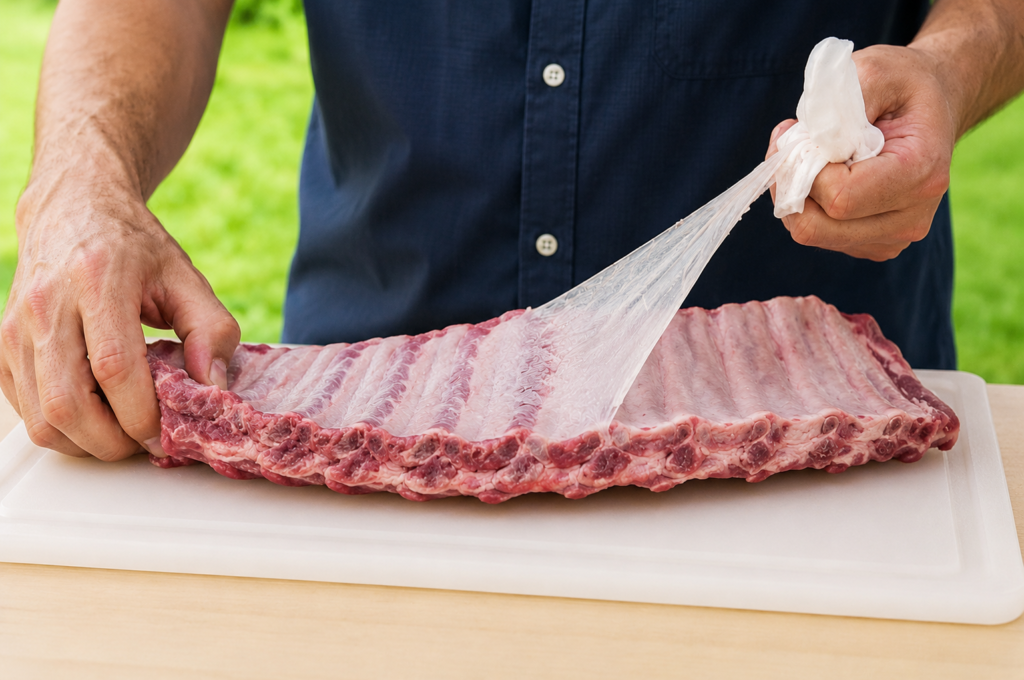
Removing the paper-thin membrane from the bone side of ribs prior to smoking ensures that the ribs come out as tender as possible without guests having to gnaw through the membrane’s tough texture. This how-to guide features step by step photos for trimming a slab of ribs and removing the membrane.
The Science Of Vinaigrettes And The Magic Of Emulsifiers And Surfactants
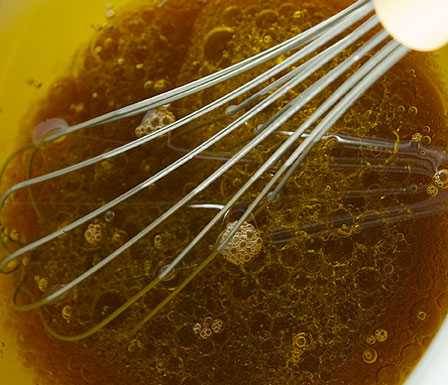
Vinaigrettes are dressings made with vinegar and oil as a base. You can force them to get along with an emulsifier like mustard or mayonnaise. Here’s the science of how it works.
Myth: A Melting Fat Cap Penetrates Meat
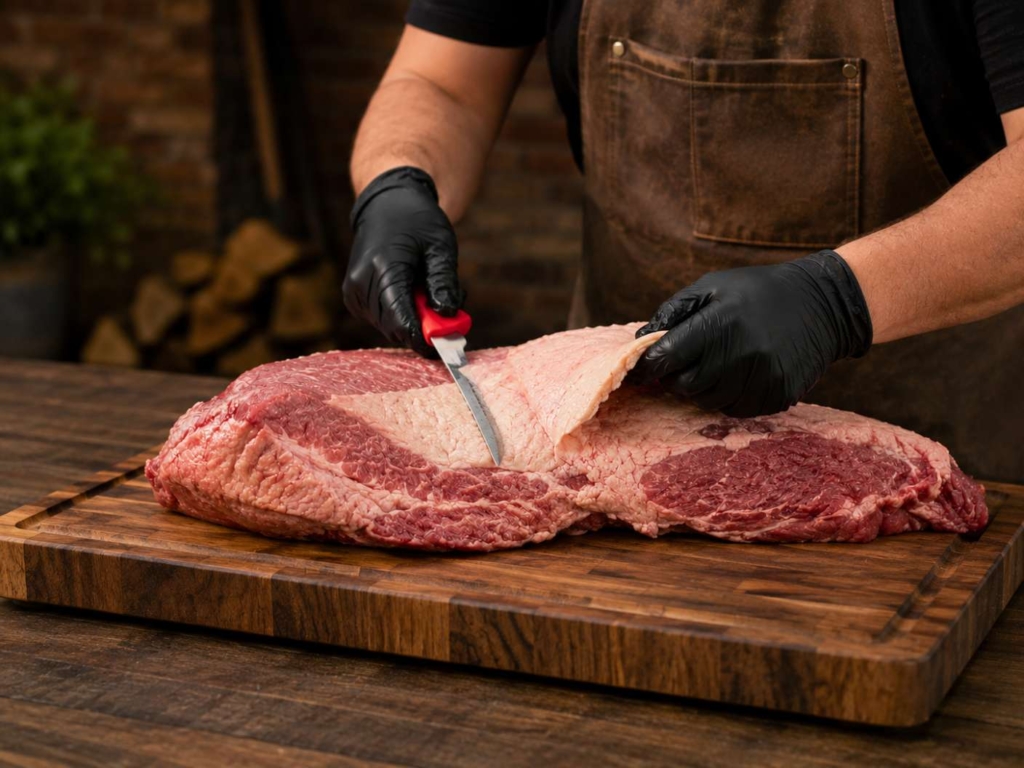
The fat on the outside of meat does not melt and penetrate the muscle fibers making the meat moister. That is a myth. Here’s the science on different types of fat, what happens as fat heats and melts, and the best way to trim meats before cooking to create the most delicious browned bark or crust.
Hamming it Up: A Survey of the World’s Great Hams And How To Cook Them
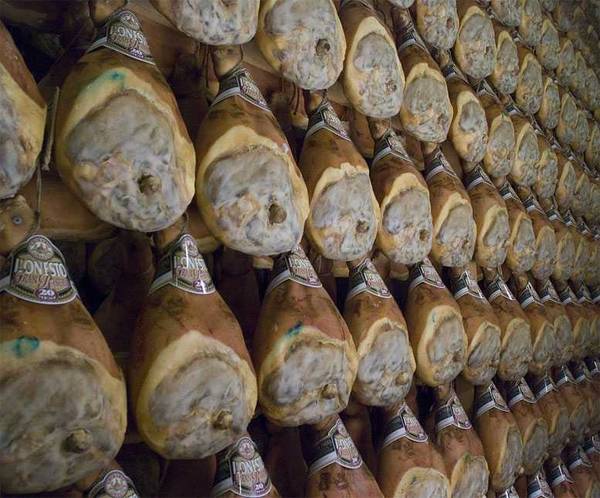
There are many different types of ham around the world, but they all fall into three categories: Fresh ham, dry-cured ham, and wet-cured ham.
Spatchcock Chicken And Turkey, A How To
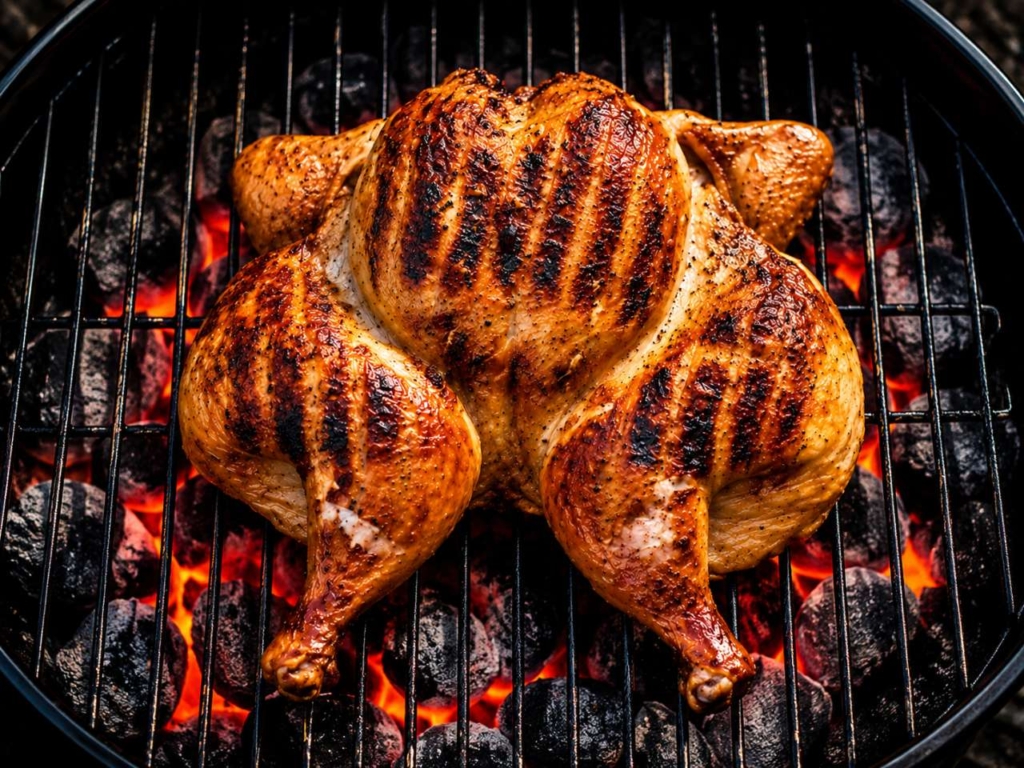
Spatchcocking, or butterflying, a whole turkey, chicken or any other bird is a great way to make moist, delicious birds that are browned all over and evenly cooked in less time. It’s a simple matter of cutting out the bird’s backbone, a deboning process that is easy and painless with good kitchen or poultry shears.
Myth: If You’re Lookin’ You Ain’t Cookin’
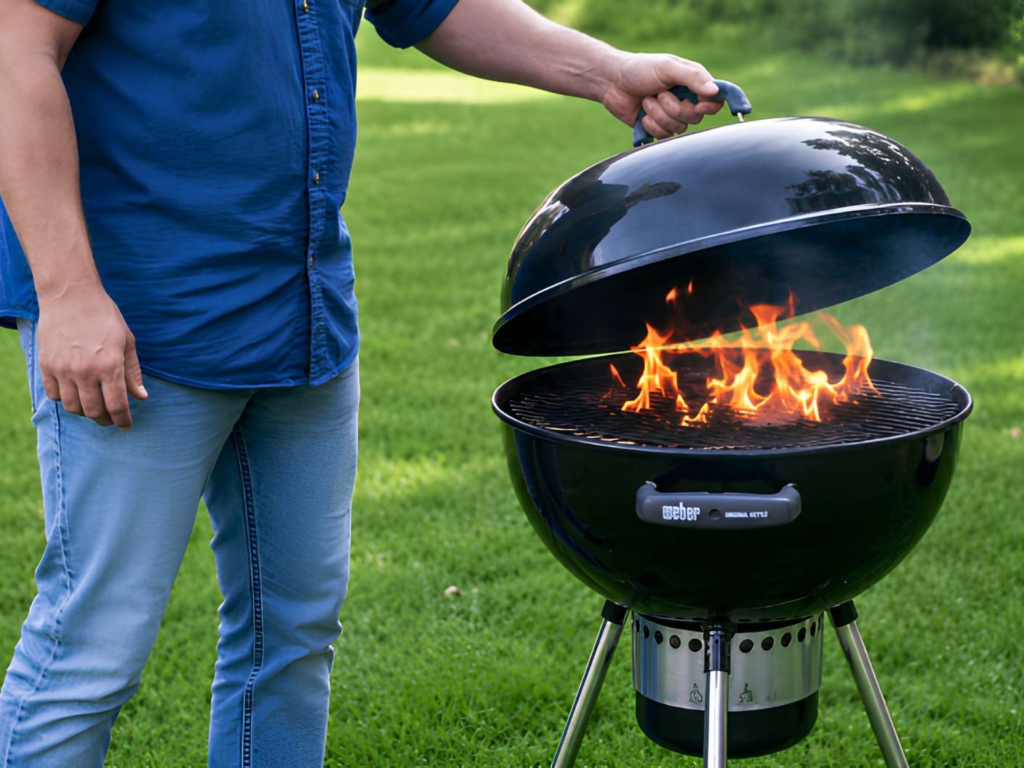
Conventional wisdom says you should keep the grill lid closed at all times. What do precise measurements tell us? It turns out that opening the lid may not have a huge effect on the grill’s ambient temperature. Learn about all the variables and whether or not a steady temperature makes a big difference anyway.
Frankophilia: The Hot Dog Creation Myth
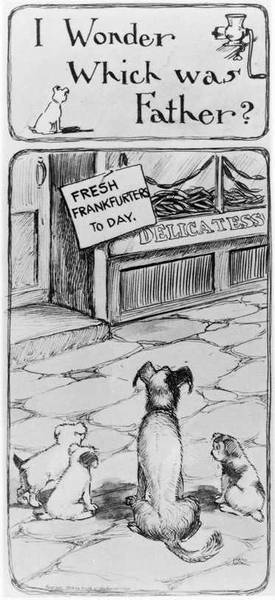
Who invented hot dogs? The bun? When were they first sold? And who named them hot dogs. We answer your questions and dispel the myths.
Golden Brown And Delicious: Why We Love Crust And How It’s Made
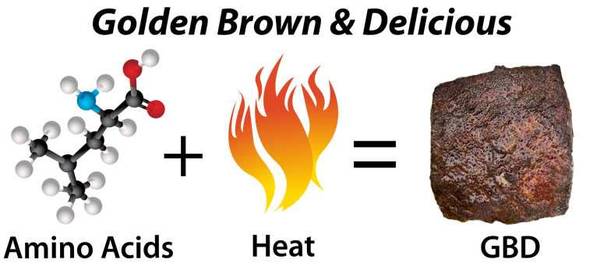
Recipes often tell you to cook food until it is browned. Why? Browning is flavor! The most important chemical changes in food occur when heat initiates the Maillard reaction and caramelization. These processes make food GBD: Golden Brown and Delicious. Read on to find out how it all works.
Strategies for Using BBQ Sauces
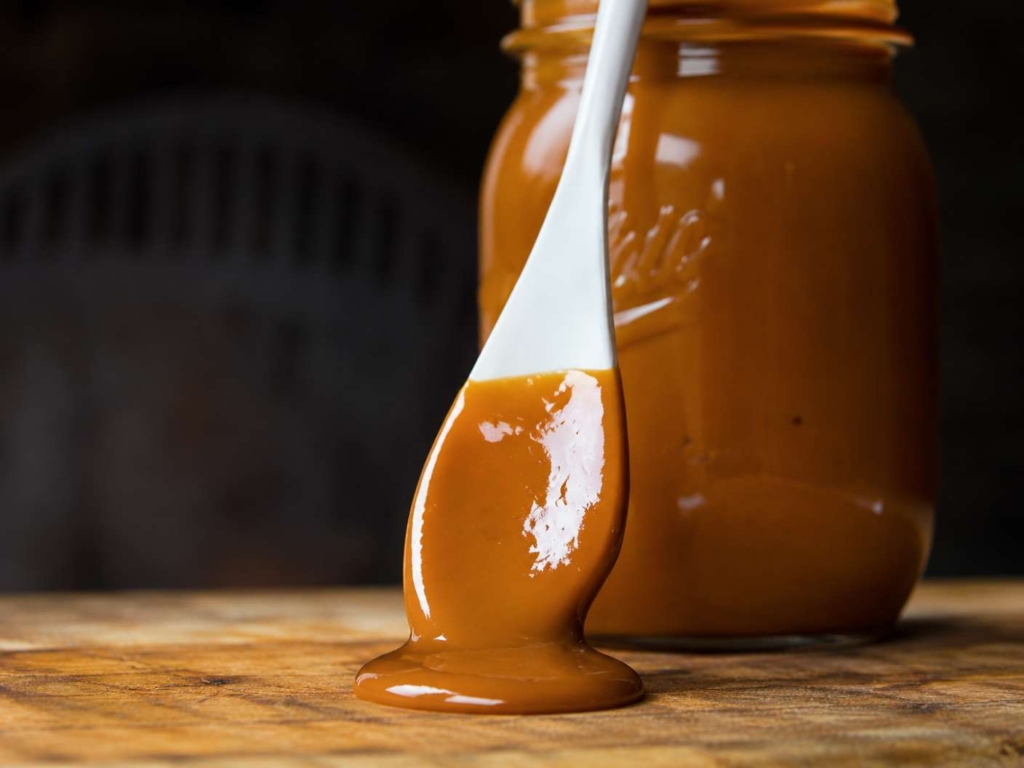
Here’s what you need to know about when and how to use BBQ sauce. There are tricks to know, including how much sauce to use on smoked ribs, pulled pork, and other barbecue. Find out when not to apply BBQ sauce, how to avoid burnt sauce, how to use a kitchen torch, and how to sizzle, glaze, paint on barbecue sauce.
Why Raw Sprouts May Be The Riskiest Food In The World
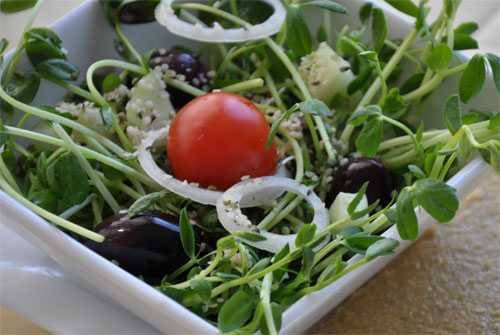
Healthy food advocates often recommend eating fresh, raw foods, but raw food can pose a health risk. In fact, raw sprouts are the riskiest food in the world. Here’s why.
How to Keep Food From Sticking to Your Grates
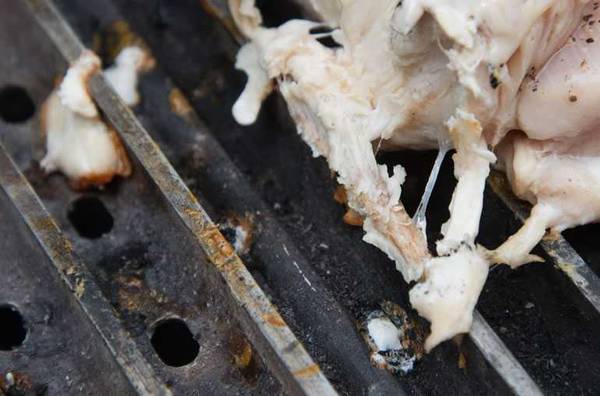
Don’t you hate it when food sticks to your grill grates? This article explains how to prevent it: keep your grill grates clean and use the right temperature for the food you’re cooking. Maybe lubricate the food (not the grates) with some oil. Some fish baskets and grill toppers may also help prevent sticking.
The Science Of Chiles, Peppers, And Hot Sauces
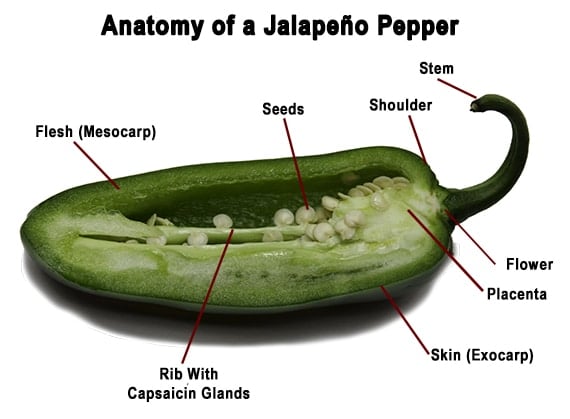
Chile, chili, chilli, chilies, bell pepper, black pepper, paprika, aji, capsicum, chiles pasado, pimento, pimiento…what’s the difference? Let’s straighten this out. Read all about capsaicin, Scoville Heat Units, taming the heat, various hot sauces, hot pepper pastes and condiments, and how to make red pepper flakes.
What Causes Some Beef To Have A Liver Flavor?
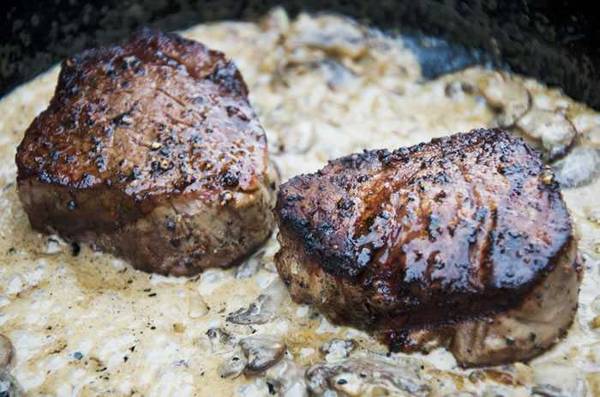
Some steaks have the undertone flavor of liver. There are several factors that cause it.
Basic Meat Science For Cooks
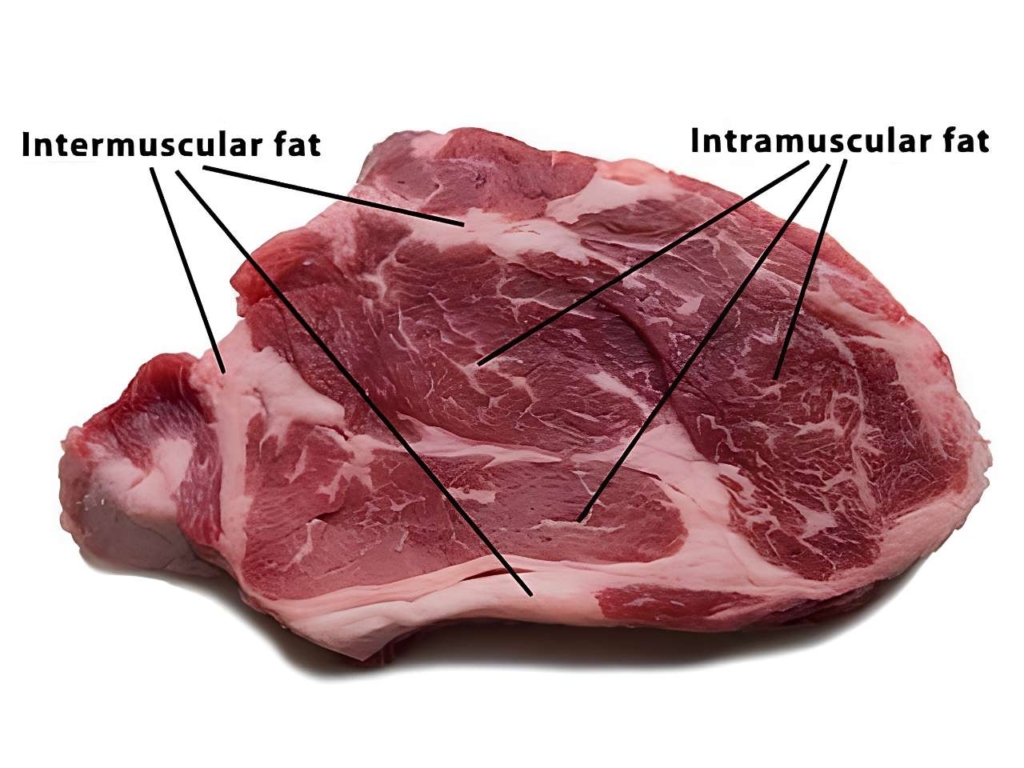
What is meat and how does cooking alter it? Discover the science of what meat is made of, including water, fat, protein, connective tissue, salt, and other minerals. And find out what happens when meat meets heat.