

Cold Smoking Meats: Don’t Do It
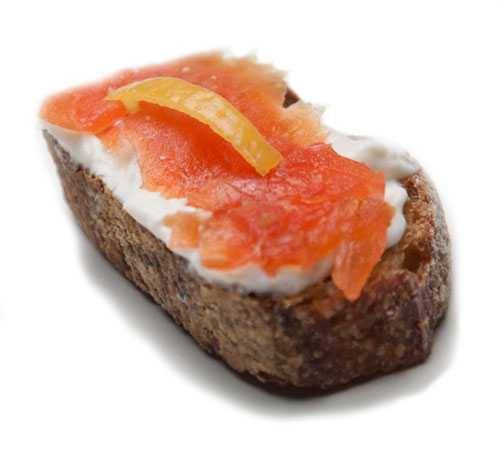
Cold smoking sausage and fish is risky and can kill you. Here are the risks and why you should not try it at home. Bottom line: holding foods in the “danger zone” of 40ºF to 140ºF allows pathogens to multiply if not carefully controlled. Food cooked to above 140ºF internal temperature is simply safer to eat.
How to Set Up a Charcoal Grill for Smoking or Grilling
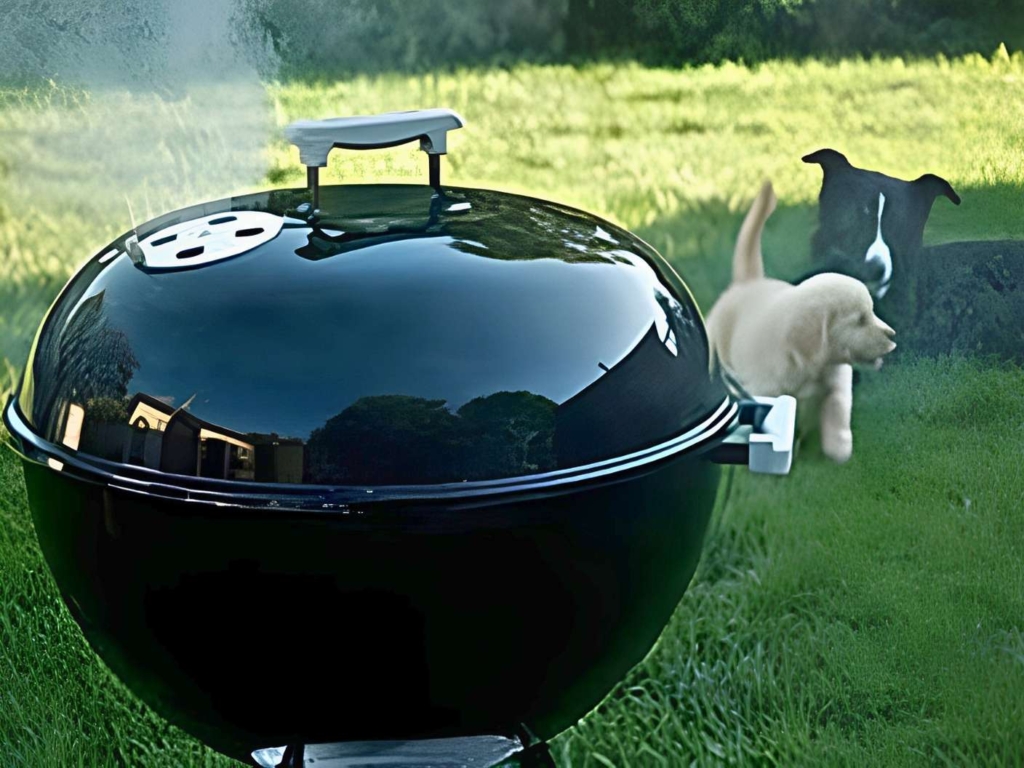
Get the most out of your charcoal grill by setting up 2 heat zones, direct and indirect. This set up allows you to add wood chunks to the coals for smoke, to cook low and slow barbecued ribs and pork shoulder, and to better control your temperature. It also helps prevent flareups and burnt food!
Myth: Let Meat Come To Room Temp Before Cooking
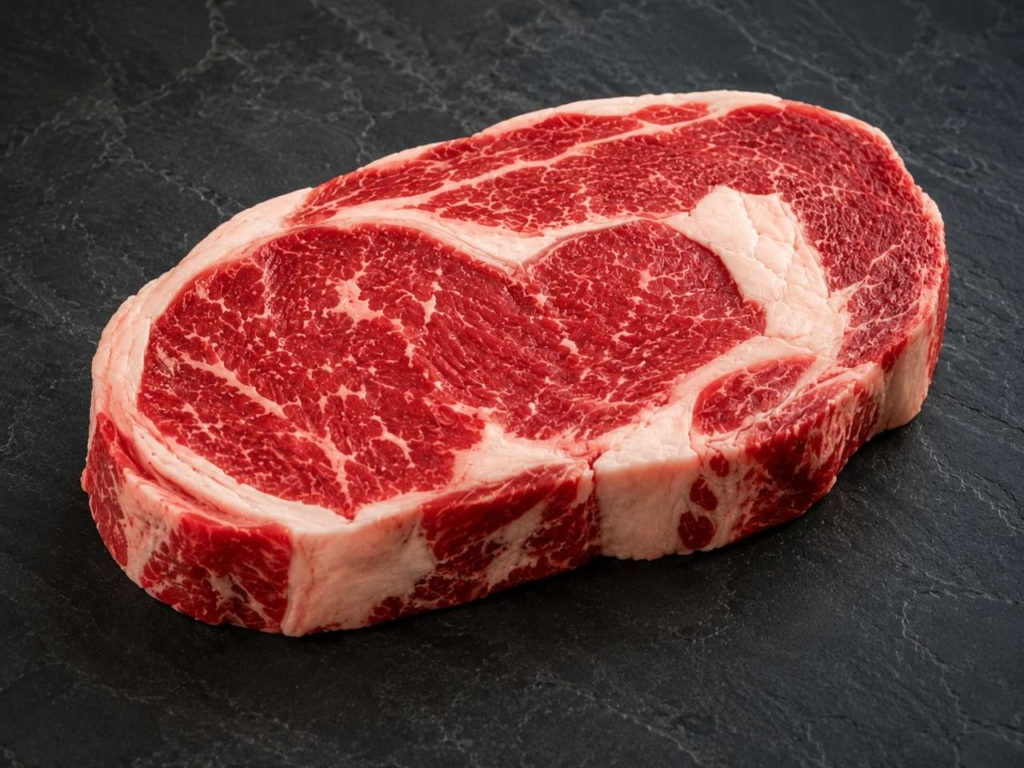
Do not bring your meat to room temperature before cooking it. That is a myth that poses a food safety risky. Letting meat sit at room temperature for a few minutes may be OK, but it’s safer and better to simply take your meat from the refrigerator to the cooker. Here’s why.
How to Calibrate Your Grill or Smoker with Dry Runs
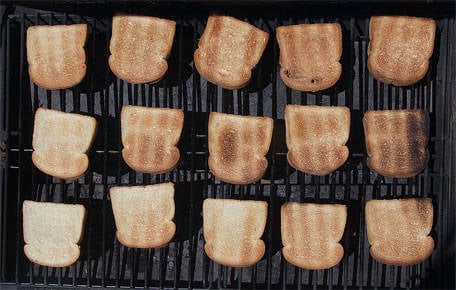
Calibrate your cooker. There is often dust and grease under the hood from the factory on new grills and smokers. Here’s how to prepare your cooker with a dry run so you can control its temperature when it’s showtime.
Grinding Your Own Hamburgers
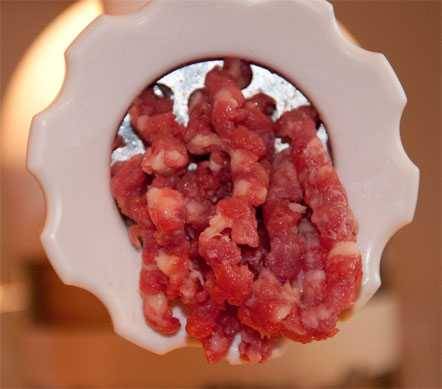
When you grind your own hamburgers you are assured of the freshest, cleanest meat, just the right fat to lean ratio.
Meat Stabbing Myth: Poking Meat With a Fork, Thermometer, or Knife Drains Juices
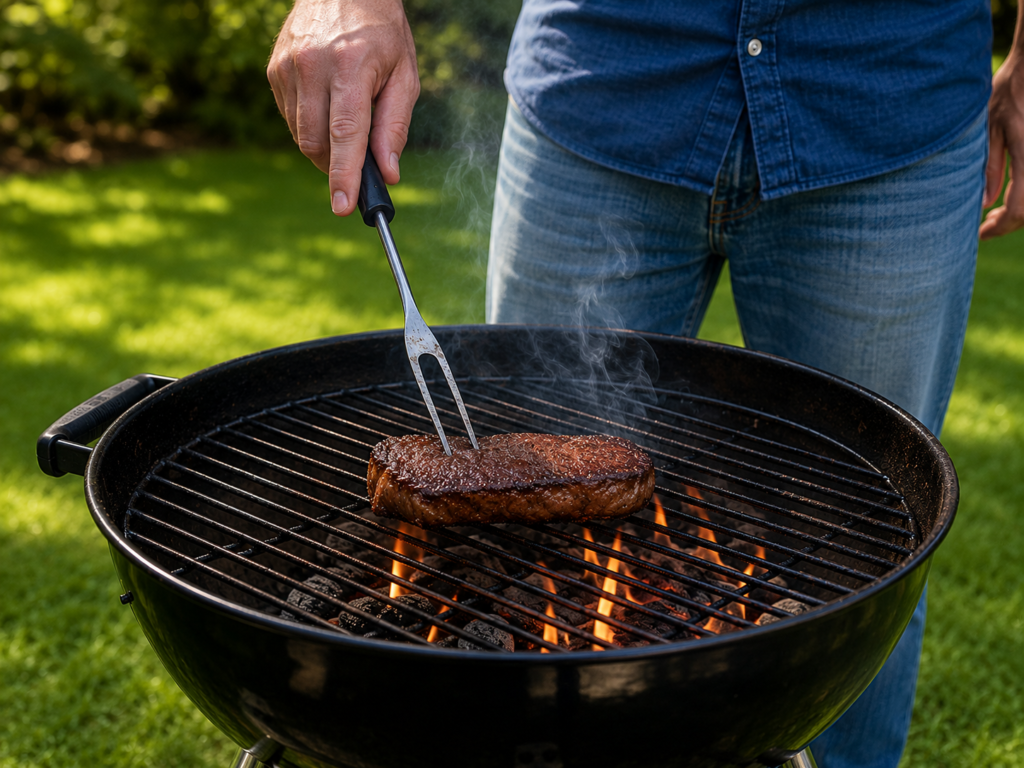
Does poking meat drain way all its juices? No. A piece of meat is not a water balloon. If you test it with a thermometer, all its juices will not drain away. In fact, using a thermometer is the only sure-fire way to judge the internal doneness temperature of meat. Find out why in this mythbusting article.
The Science of Chocolate
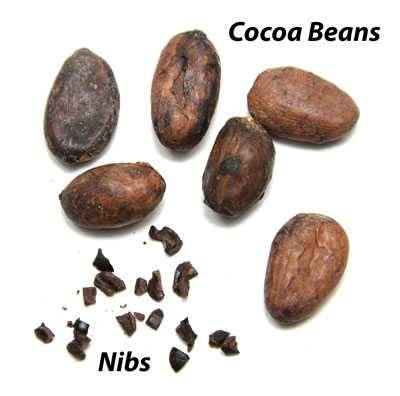
Here’s what you need to know about cacao pods, cocoa powder, cocoa butter, chocolate liquor, and how chocolate is made, including the different types of chocolate, how to melt chocolate, and how to cook with it.
The Science of Mustards

Not all mustards are the same. Here’s what differentiates Dijon mustard from yellow ballpark mustard from stone ground mustard from mustard seeds and dry mustard powder. Find out how they are made and how to use them in cooking. Mustard and pork go together like peanut butter and jelly!
Absolutely, Positively No Ketchup on Hot Dogs. Never. Fuhgeddaboudit.
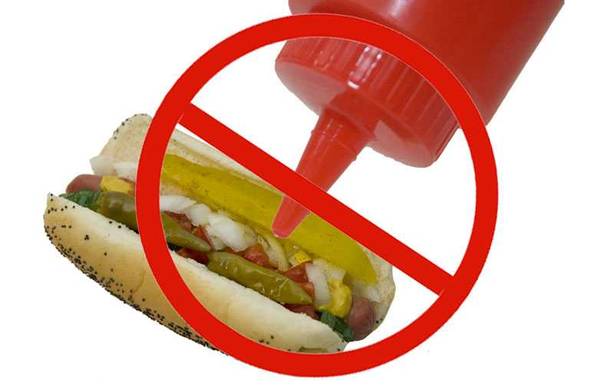
Some people say there is a ketchup controversy. There is no controversy. Let Dirty Harry explain why you should never put ketchup on a hot dog.
Cooking On Salt Blocks
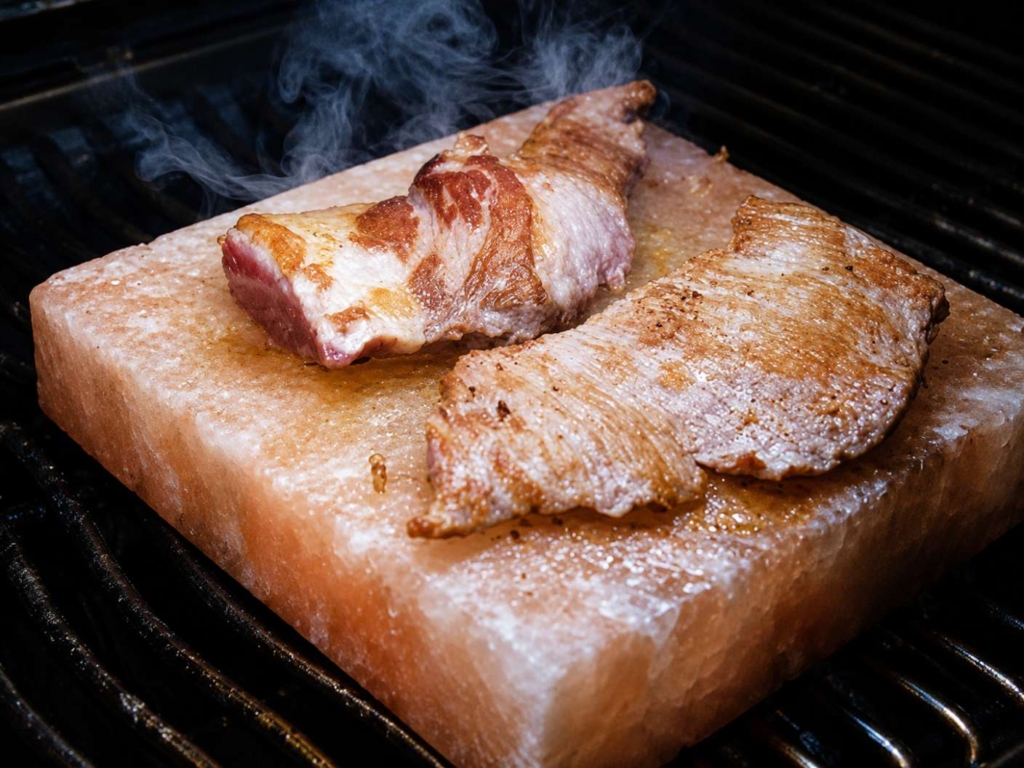
Cooking on a salt block amps up flavor and makes a great presentation. You can put the salt block right on your grill, heat it up, and then cook on the salt block like a griddle. You can also bring a hot salt block to the table and sear meats tableside! Here’s everything you need to know about cooking on salt blocks.
The Science of Beef Ribs
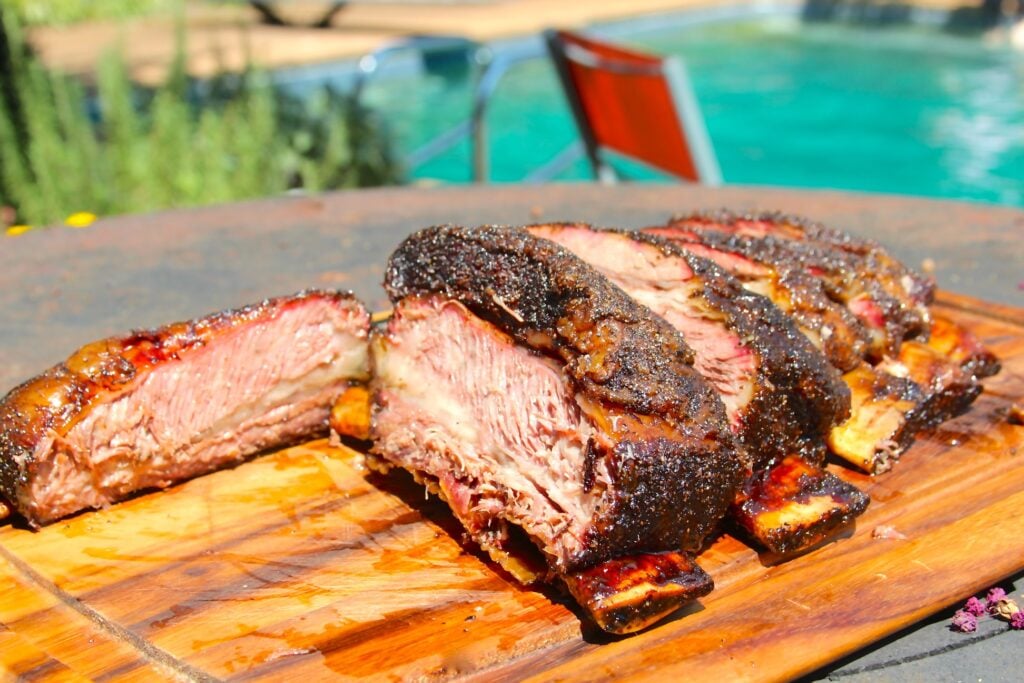
There are several subsections and cuts from the ribs: Back ribs, ribeyes, short ribs, English cut, flanken cut ribs, riblets, boneless short ribs.
How to Smoke Turkey on a Charcoal Grill
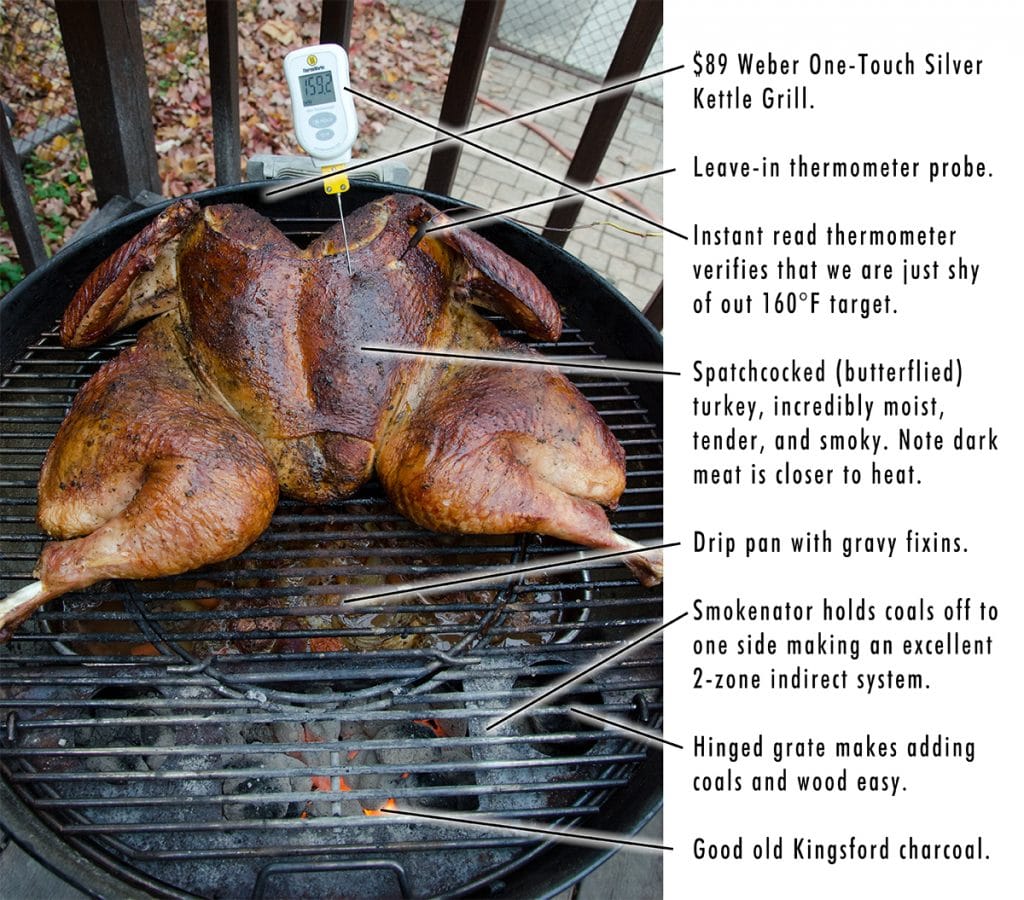
Turkey is probably the most difficult meat to cook because you need to cook it to a higher temp than almost any other meat to make it safe, and if you overshoot by as little as 5°F, you go from juicy and giving thanks, to cardboard. Here’s how to set up your charcoal grill for smoking an amazing turkey.
Cooking Fish On A Wooden Plank: Separating Fact From Fiction
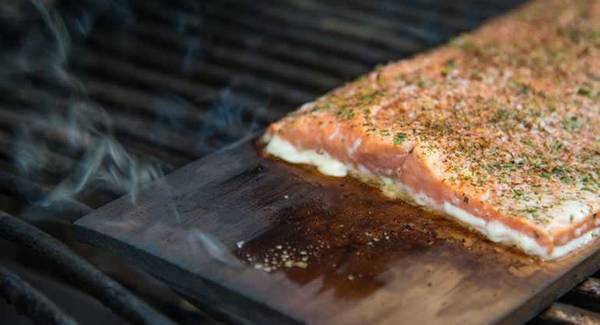
Planking is a popular method for cooking fish like salmon on a grill. Fans claim that soaking the wood in water gently steams the fish, which gets nice and smoky from the smoldering wood. Planking makes a nice presentation and helps keep fish from sticking to the grill, but the rest is mostly bunk. Here’s the science.
The Science of Herbs & Spices

Here is everything a cook needs to know about herbs and spices as well as a list of essential herbs and spices to buy, how to store them, substituting dried for fresh, substituting one herb or spice for another, toasting spices, blooming spices, and other preparations that get the most flavor out of them.
The Science of Soup, Stock, Gravy, and Bouillon
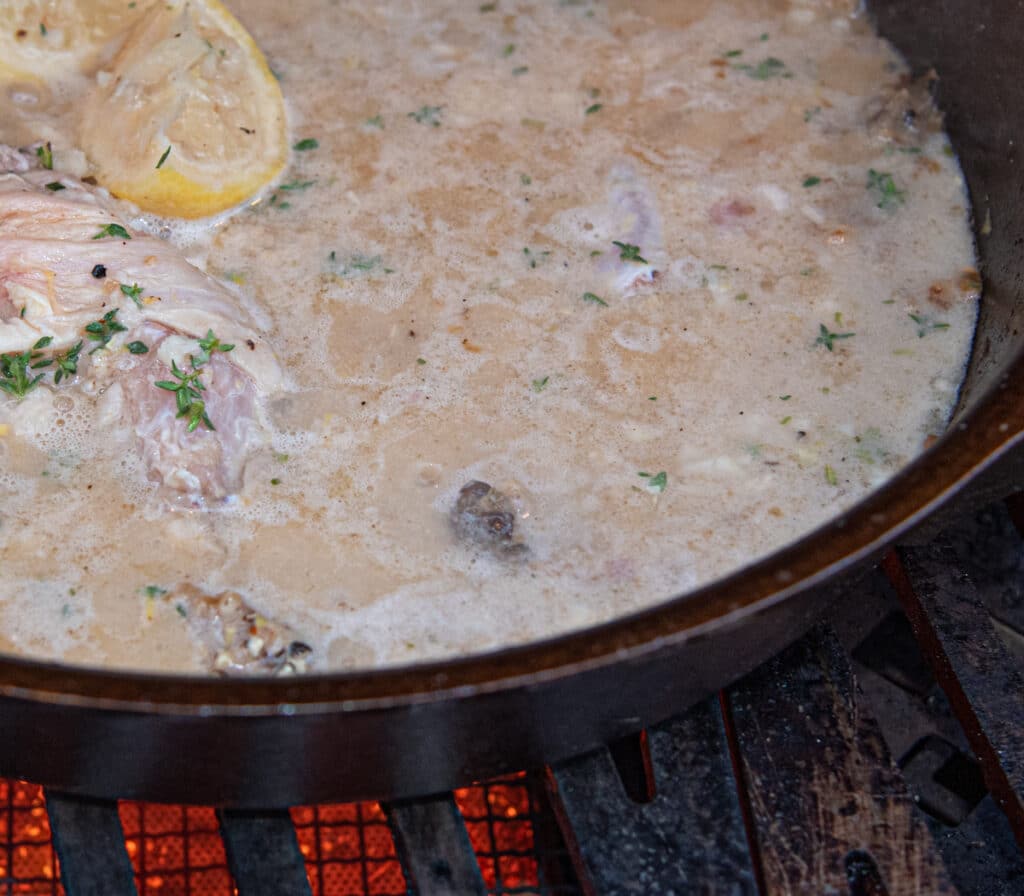
Where do you draw the line between soup and sauce? Read all about the basics of and differences between soup, sauce, stock, broth, gravy, pan sauce, and many more.