



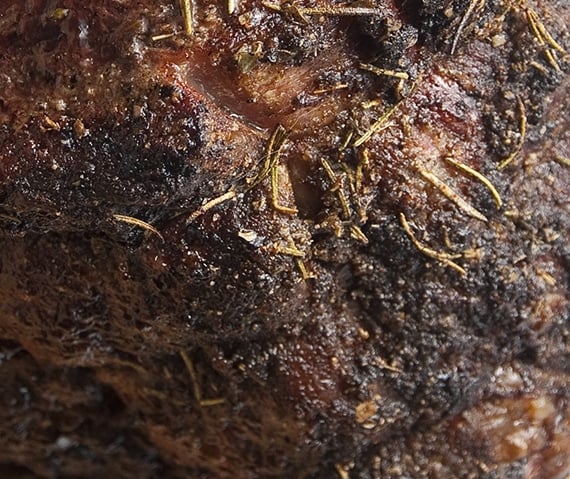
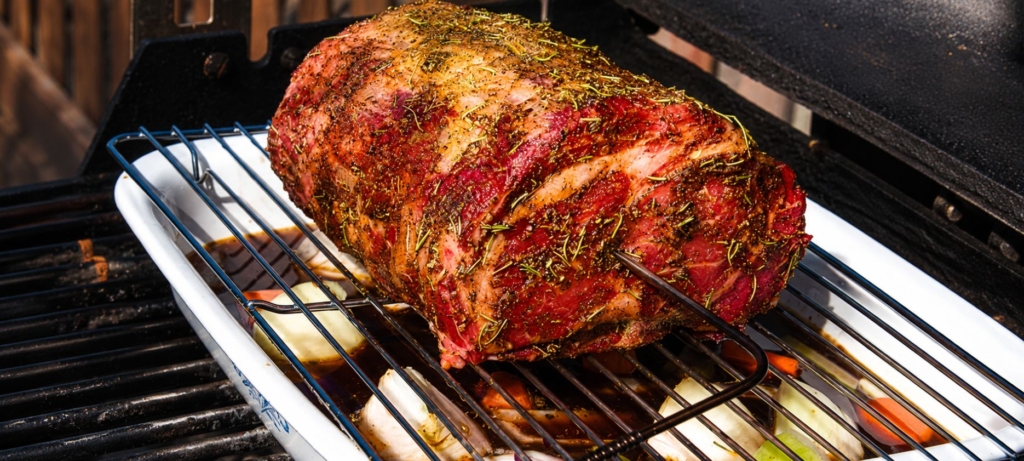
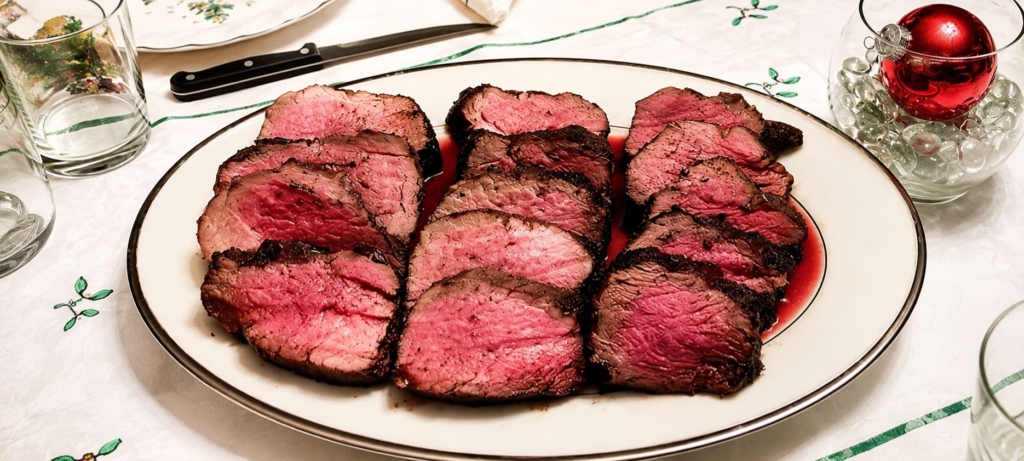
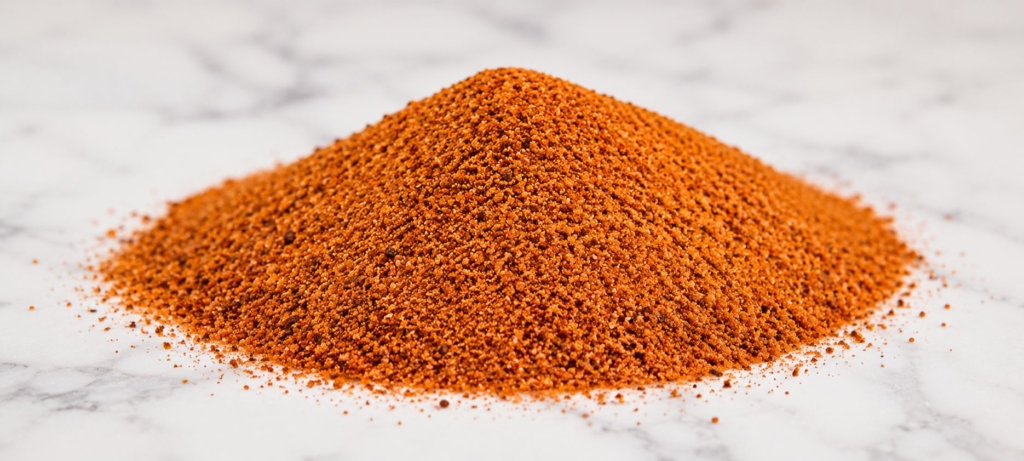
Before hitting the smoker or grill with a steak or other beef cut, take it over the top with this delicious Mrs. O’Leary’s Cow Crust wet rub seasoning paste.
Catherine O’Leary was a humble Irish immigrant living on Chicago’s near Southside. Late in the night of October 8, 1871 her barn caught on fire, and the conflagration spread on the wings of high winds through thousands of wooden structures. More than 2,000 acres were destroyed and 90,000 were left homeless. The Chicago Tribune reported that the cause of the Great Chicago Fire was Catherine’s cow Daisy kicking over a lantern.
Years later, the story’s author admitted he made up the story, but Mrs. O’Leary’s cow continues to take the rap. So I have named this rub after her, to help rehabilitate her reputation.
Recipe Overview: Mrs. O’Leary’s Cow Crust Recipe Success Formula
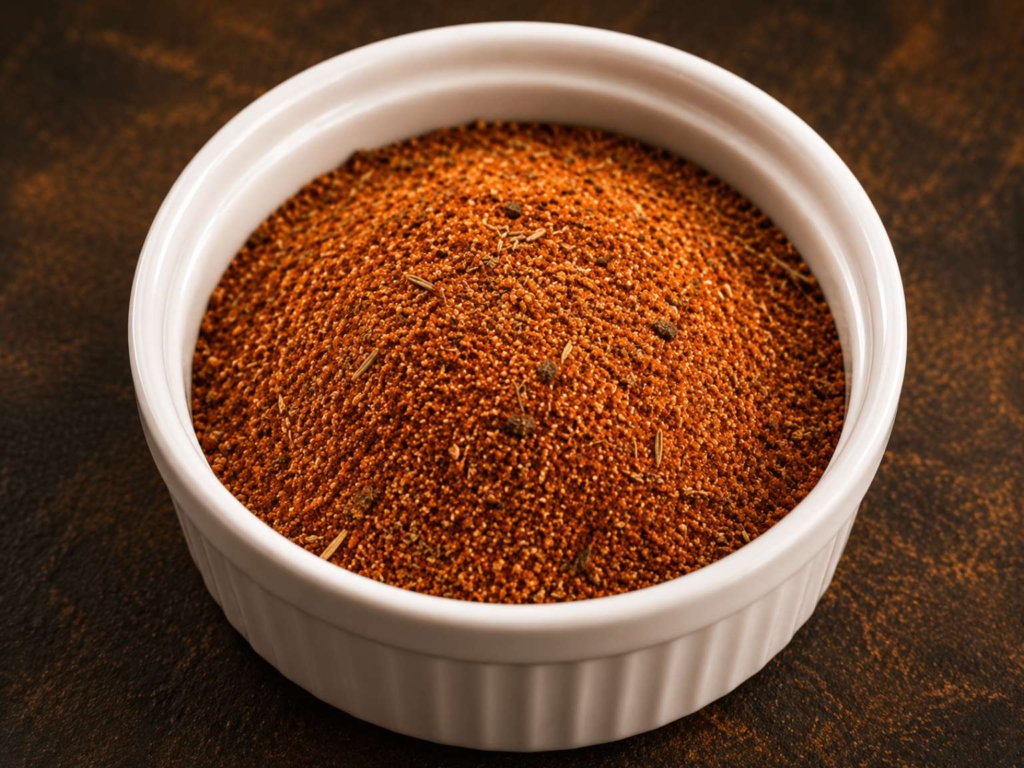
- Mix: all the ingredients together in a bowl.
- Use it: immediately on any number of beef recipes. You can use it straight, or dry brine the meat. Then mix 1 part of the dry rub with 1 part water to make a paste.
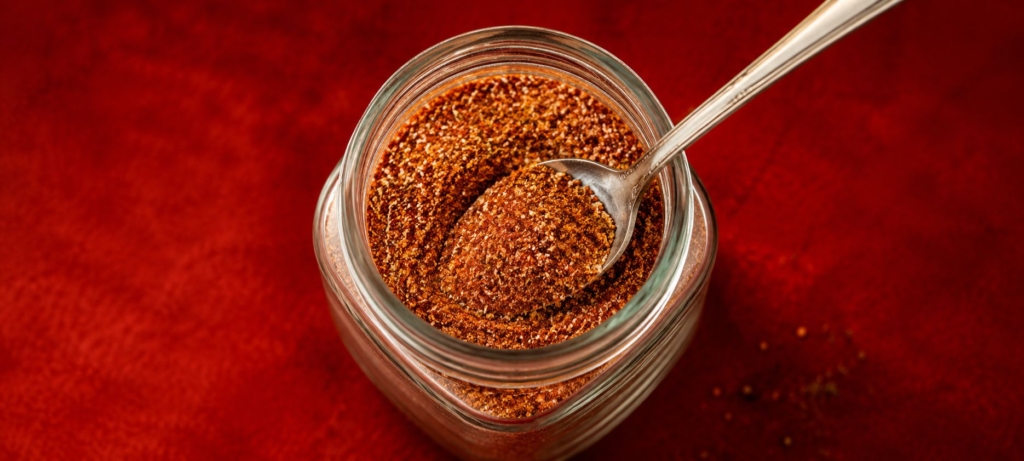
- Store it: in an airtight jar.
- Pat the meat down with paper towels. Pour the paste on and rub it into the meat. You can cook the meat right away.
Summarize & Save this Content on:
The science behind Mrs. O’Leary’s cow crust
Most spice rubs are a mix of herbs and spices and we rub them into the meat before grilling. This beef rub starts out that way, but then we transform it into a thick paste. The idea is, by mixing spices in water we can extract more flavors and get them into the little pits and cracks on the surface of the meat. Normally, marinades and rubs don’t go very deep into the meat, but they can seriously change the composition of the surface, and the use of water fills the microscopic gaps on the surface with flavor, and enhances browning and crust formation. My Science of Rubs article explains this in more detail.
Since there is no salt in this recipe as our rub recipes do not have salt, you must salt the meat first. This process is called dry brining. Salt will penetrate deep into meat so you should get it on in advance, perhaps overnight but a couple hours ahead of time also works. The rest of the spices and herbs cannot penetrate very deeply, so the rub can go on anytime, even just before you start cooking. The general rule of thumb is 1/2 teaspoon Morton Coarse Kosher Salt per pound/453.6 grams of meat. Don’t include bone, and ribs are about half bone.
Ingredients and substitutions for Mrs. O’Leary’s cow crust
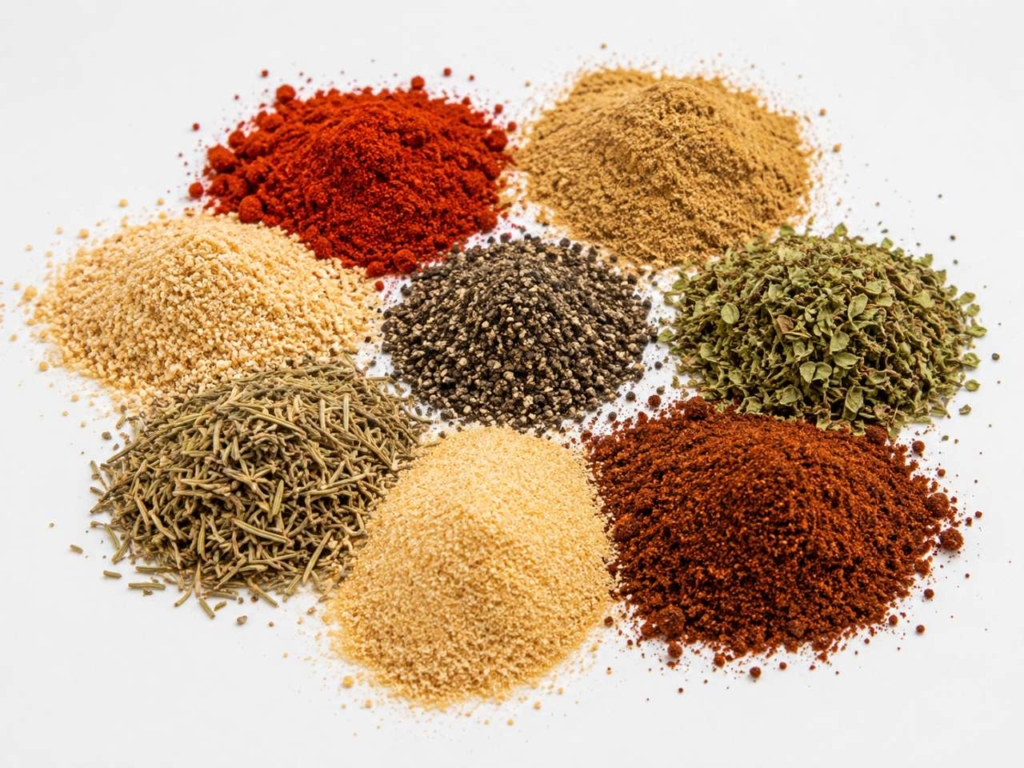
- Ground black pepper is the world’ most popular and widely utilized spice. If you want a thicker more textured crust on your rubs, use coarsely ground black pepper. Or use powdered black pepper if you want a smoother texture on the surface of the meat.
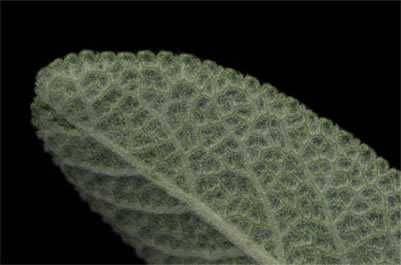
- Dried rosemary leaves can be left whole, or break them a bit with your hands. I throw them into a mortar and pestle and crush them just a bit to release their flavors.
- Dried thyme or oregano add some pungency and earthiness. Oregano will give it a bit more of a kick; thyme is my favorite all-purpose herb. Herbs and spices make a big dfiference.
- Garlic powder brings the unmistakable flavor and aroma of garlic. It’s basically dehydrated garlic cloves, ground into a powder. You can use granulated garlic instead if you want, but it’s coarser, more like cornmeal. Use twice as much granulated as powderd if that’s the route you take. (The science of garlic is worth reading about!)
- Onion powder rounds out the flavor profile with its mildly pungent taste. As with garlic powder, if you replace the onion powder with granulated onion, use up to twice as much to account fo
- American paprika does not bring as much heat as paprika that you’ll find in other countries. adds to the gorgeous red color of barbecued ribs and lends its mild peppery flavor to the profile. If you want super smoky ribs, use smoked paprika.
- Chipotle or cayenne powder adds a little bit of heat. Don’t be a wuss. This is only 1/2 teaspoon for 10 pounds/4.5 kilograms of meat, and it is all on the surface, not the interior. Like a viola, you don’t notice it, but take it out of the orchestra and something is missing.
Mrs. O’Leary’s cow crust recipe, step by step
- Mix everything together in a small bowl.
- If you’re not using it immediately, store it in an airtight jar with a lid.
- Dry brine the meat hours in advance.
- Use the rub straight onto the meat, or make a paste by mixing one part rub with one part water. You can use oil, but herbs dissolve better in water.
- Pat the meat dry with paper towels.
- Pour the paste on and rub it in. You can cook right away.
Mrs. O’Leary’s cow crust recipe FAQs
This kind of rub combines black pepper, kosher salt, garlic powder and onion powder, along with savory, earthy herbs such as thyme, oregano, rosemary—very similar to our recipe here.
If you leave dry rub on too long you it becomes way too salty and the meat’s texture can suffer. The outer layer can start to feel too firm.
Great question! Not all seasonings are rubs, but all rubs have seasonings… or something like that.
Seasoning just refers to a broader multi-purpose blend of herbs and spices typically that can adjust flavor. You can use seasonings at any stage of cooking.
Rubs, on the other hand–and this usually means a dry rub–are more coarse and heavy in texture. They consist of sugar, spices, and herbs in some combination and they’re rubbed onto the surface of meat before grilling, roasting, or smoking. Doing this forms the very highly covered crust, or “bark.“
If you like Mrs. O’Leary’s Cow Crust Recipe, You’ll Love . . .
- Simon and Garfunkel Rub Recipe
- Big Bad Beef Dry Rub Recipe
- A Cluckin’ Great Poultry Seasoning Recipe
- Memphis Dust Dry Rub Recipe
- Rendezvous-Style Memphis Dry Rub Recipe
Up your game: Join our Pitmaster Club. Try it out for free for 30 days. No credit card is needed. No spam. Join now and Be Amazing!

Beef Dry Rub Recipe
Makes
About 1/4 cup/37.9 gramsIngredients
Method
- Prep. Mix everything together in a bowl.
- Storing the rub. If you are not using immediately, store in a jar for use later or proceed to the next step if you plan to use it now.
- To use. Dry brine the meat hours in advance. When it is time to use the rub, you can use it straight, or mix 1 part of the dry rub with 1 part water to make a paste. (Note: You can use oil, but the herbs dissolve better in water).
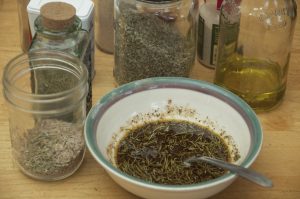
- Pat the meat dry with paper towels, pour the paste on and rub it in. You can cook right away.

Before you can post a comment or question you must sign into our commenting partner, Disqus. This helps make sure everyone hanging around the grill is civil. We do not tolerate nastiness, racism, porn, inappropriate language, or attacks on others. All comments are the property of AmazingRibs.com and we reserve the right to quote them, edit them, delete them, and block people from making future comments.
Please leave comments and questions on the same page that is devoted to that subject so others can see questions and our answers when they are reading about the subject. You must enable JavaScript to use the comments section, and you must accept cookies to post comments. Note: the software that runs Disqus is different from the Pitmaster Club, so members need to sign into the Pitmaster Club separately.