


Is MSG Bad For You?
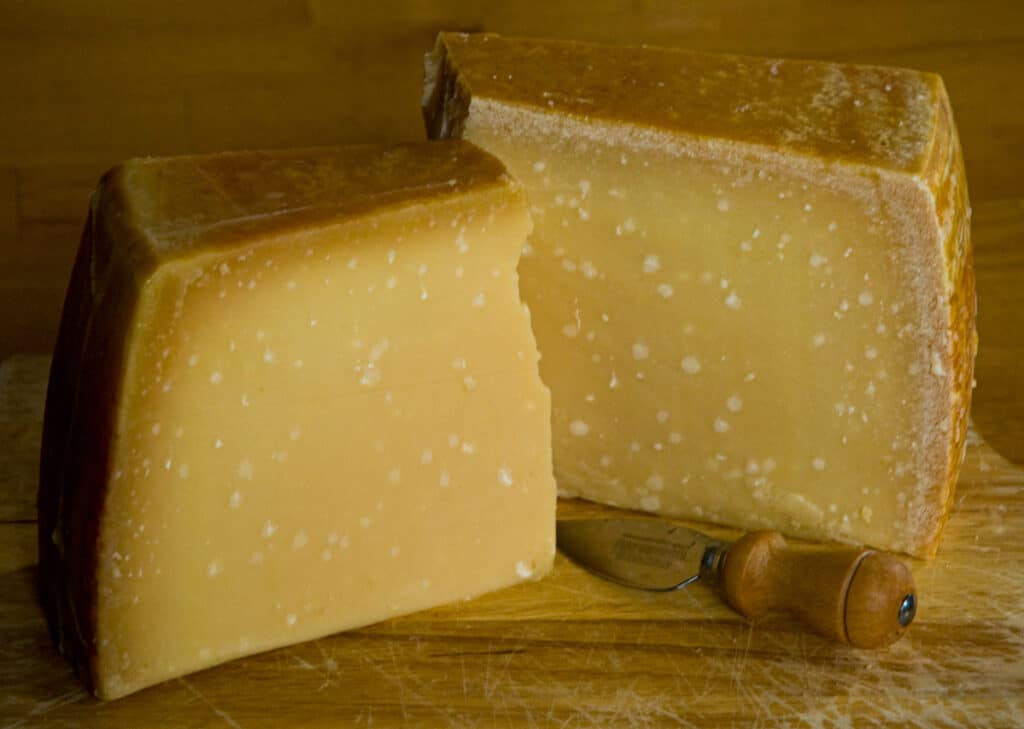
The Truth About MSG And How To Use It Wisely MSG (a.k.a. monosodium glutamate) is a first rate flavor enhancer that amplifies the natural flavors found in food. It is salt bound to glutamic acid, an amino acid; it is naturally present in our bodies; and it occurs in nature in many foods, among them […]
The Science Of Slow Cookers

Slow cookers are not truly “set it and forget it”. If you just throw everything in the crock, turn it on and walk away, you’re likely to get soggy, bland results. A little effort yields much more delicious food. Check out this list of Do’s and Don’ts to maximize your cookers strengths and minimize its weaknesses.
The Science of Knives

Before you drop serious cash on a knife, bone up on what distinguishes a good knife from a great one. The science of different metals, shaping techniques, and manufacturing technologies all influence how a knife sharpens, dulls, feels in your hand, and holds up over the long haul.
The Science Of Peppercorns
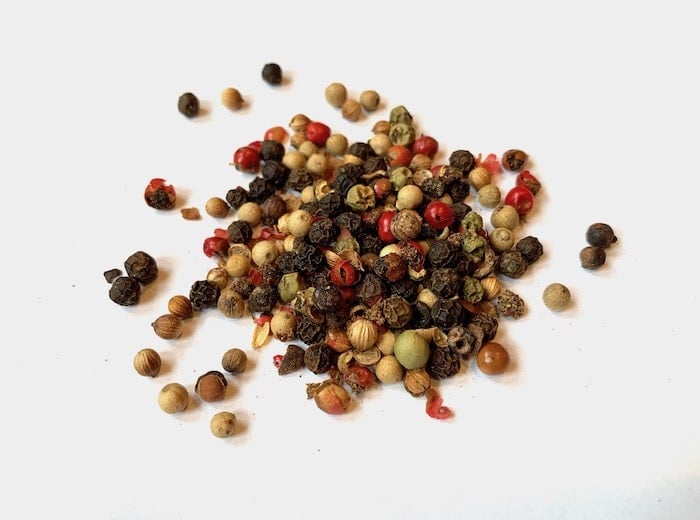
Black pepper is the most popular spice in the world. How are black peppercorns related to white peppercorns and pink peppercorns? Are black peppercorns related to red hot chili peppers too? Find out all about different peppers, peppercorns, and the different compounds that make them taste pungent.
The Science of Injecting Meat: No Wait, No Waste, More Flavor

Forget marinating: inject instead. The truth is that rubs, mops, marinating, brining, and sauces can deliver a lot of flavor to the surface of meat, but if you really want to get salt or flavor deep into meat, the solution is injecting. Here’s the science behind it, recipes, and reviews of various injectors.
Wet Brining vs. Dry Brining
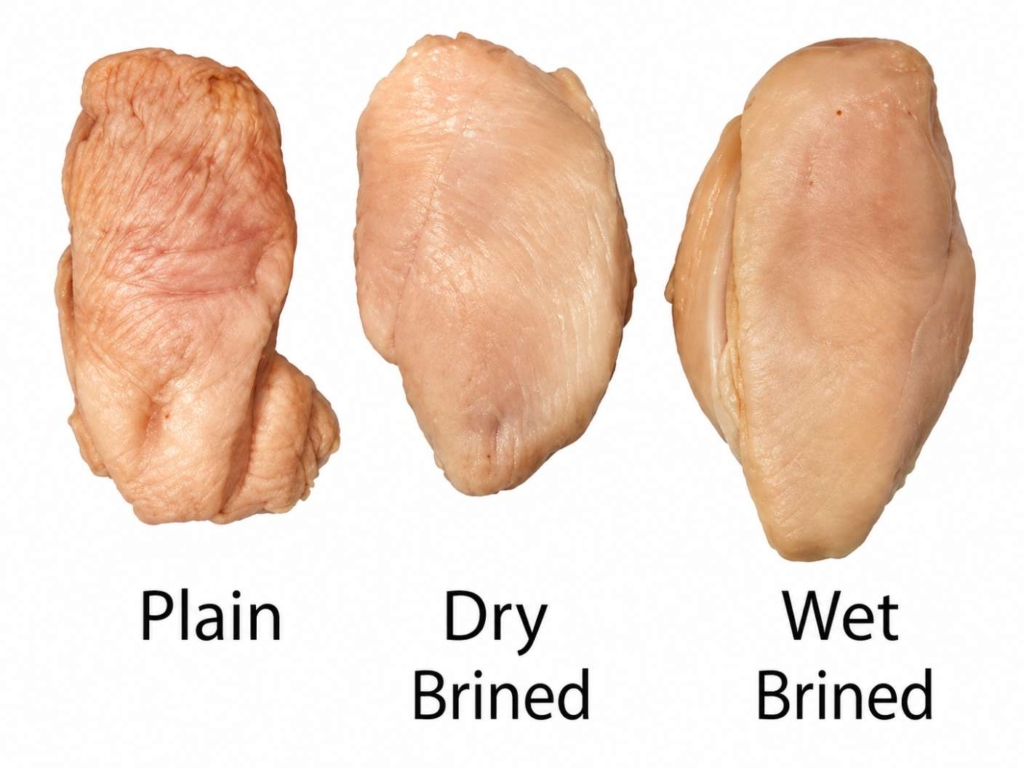
Salt helps protein hang onto water during cooking so brining is a great technique to make food moist. But which is better, wet brining or dry brining? It all depends on which meat you’re cooking and the results you want. Get the details.
Dry Brining Steak, Easier And Less Wasteful Than Wet Brining
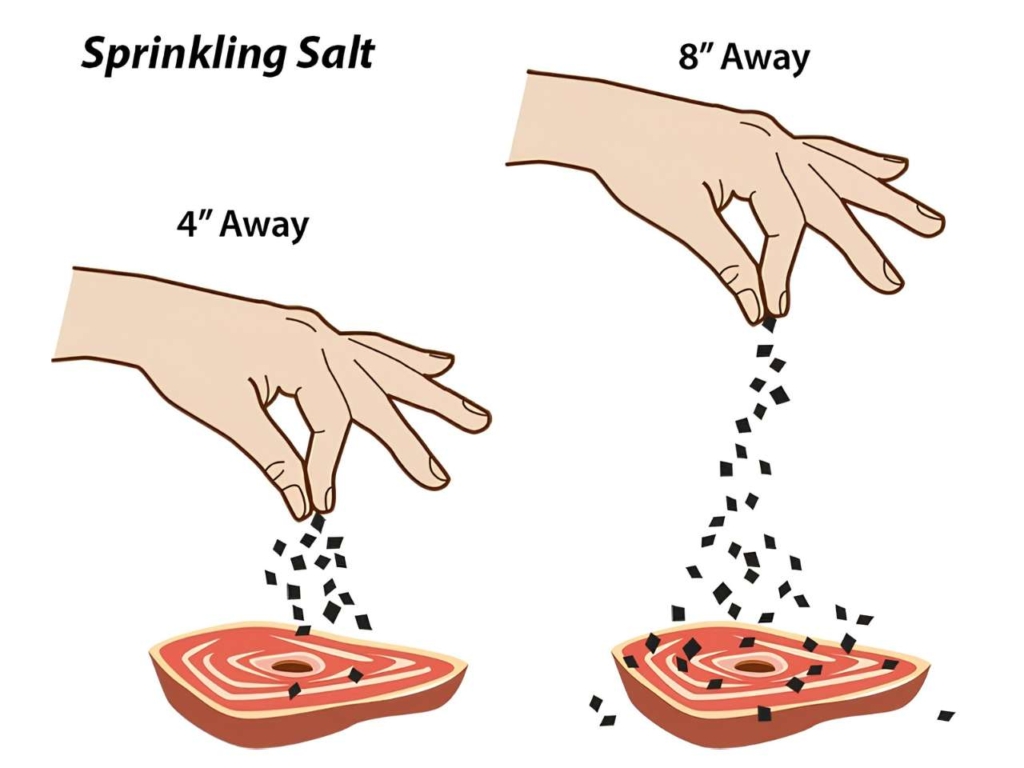
Dry brining is a quick and easy way to flavor and moisturize meat before cooking.
The Science of Corn
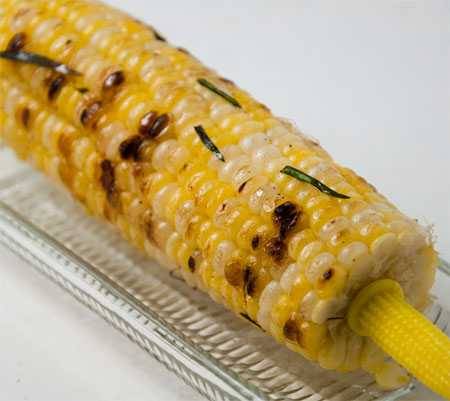
Fresh sweet corn is a seasonal pleasure you should enjoy every year! Here’s what you need to know about different types of fresh corn, including varieties such as yellow, white, bi-color, Silver queen, and supersweet. Learn how to buy them, store them, grill them, savor them, and cook the best corn on the cob.
A Taxonomy Of The Different Species Of Hamburger
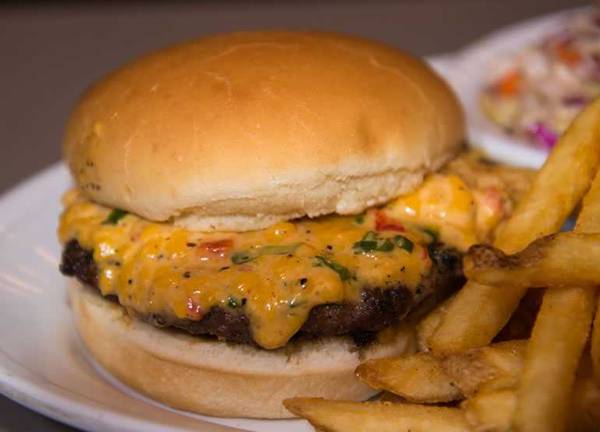
Hamburger Heaven. Here is a description of all the different types of hamburger styles, regional hamburger styles, and how they are made.
The Science Of Flour, Yeast, Baking Soda, And Baking Powder
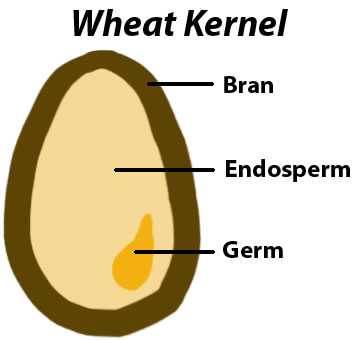
Flour is the basis of bread, pizza, pies, cakes and cookies. It can be made from grains, seeds, beans, and even roots. Here we explain the different types of wheat flour like whole wheat, all-purpose, bread and cake flours as well as the importance of measuring flour by weight with an accurate digital kitchen scale.
The New Data About Nitrites, Nitrates And Cured Meats
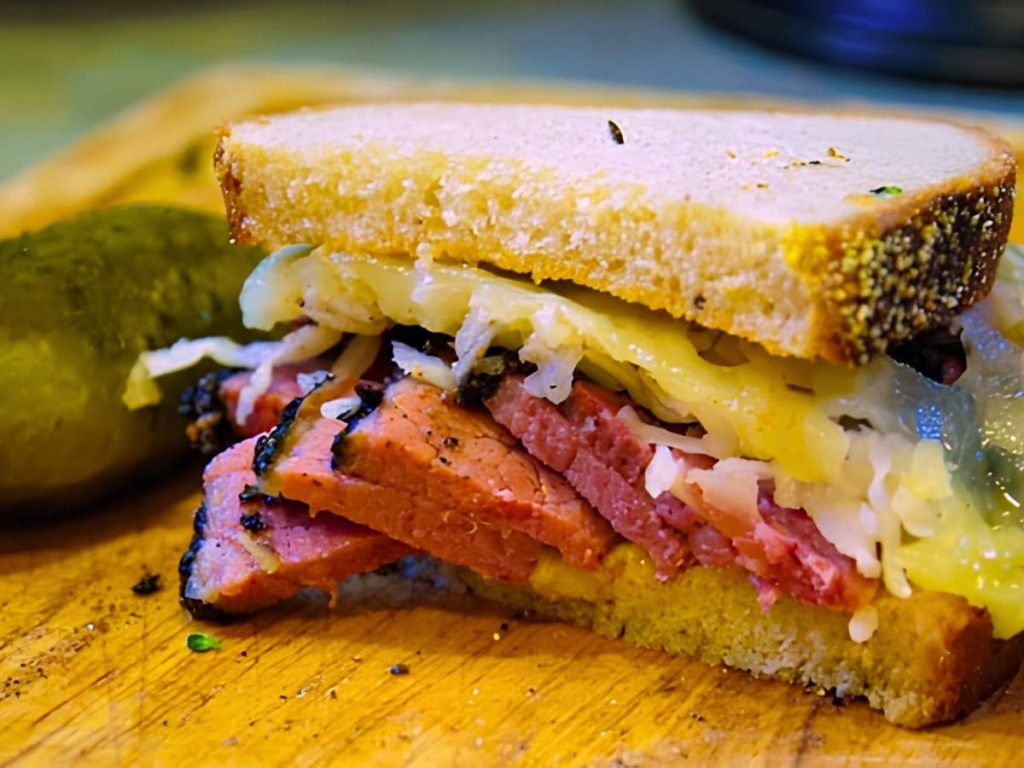
Nitrites and nitrites appear naturally in foods, and are added to many foods. Are they dangerous? Recent research is enlightening.
The Science Of Liquid Smoke
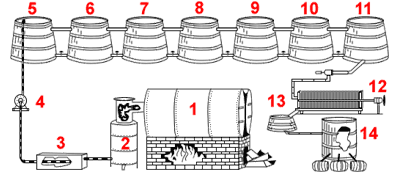
Are you a liquid smoke hater? BBQ aficionados usually are. You might be surprised to find out that liquid smoke is essentially smoked water. It is made in a process similar to making smoked brisket and ribs! Read on to find out how liquid smoke is made, what it contains, and how it compares to real smoke.
The Science of Pie Thickeners

The bane of all pie bakers is soupy pie. So experienced bakers use some sort of a thickener to make their pie fillings nice and firm. Here’s what you need to know about thickening pies with wheat flour, cornstarch, different forms of tapioca, natural fruit pectin, and modified food starches such as ClearJel.
The Science of Slawsome Slaw
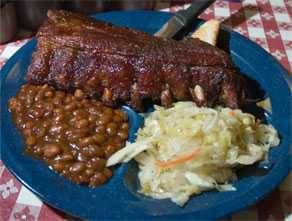
No backyard cookout would be complete with a side of slaw, whether it is a creamy coleslaw with mayonnaise, sweet-and-sour vinegar law, or a custom creation. Begin putting together the one that is right for you with this extensive tutorial.
The Science of Rice
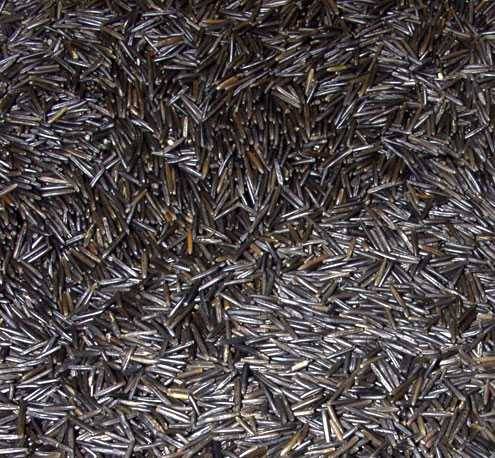
Read everything a good cook needs to know about buying, storing, cooking and serving white rice, brown rice, wild rice, arborio rice, risotto, converted rice, minute rice, instant rice, and enriched rice.