


The Science of Beef Ribs
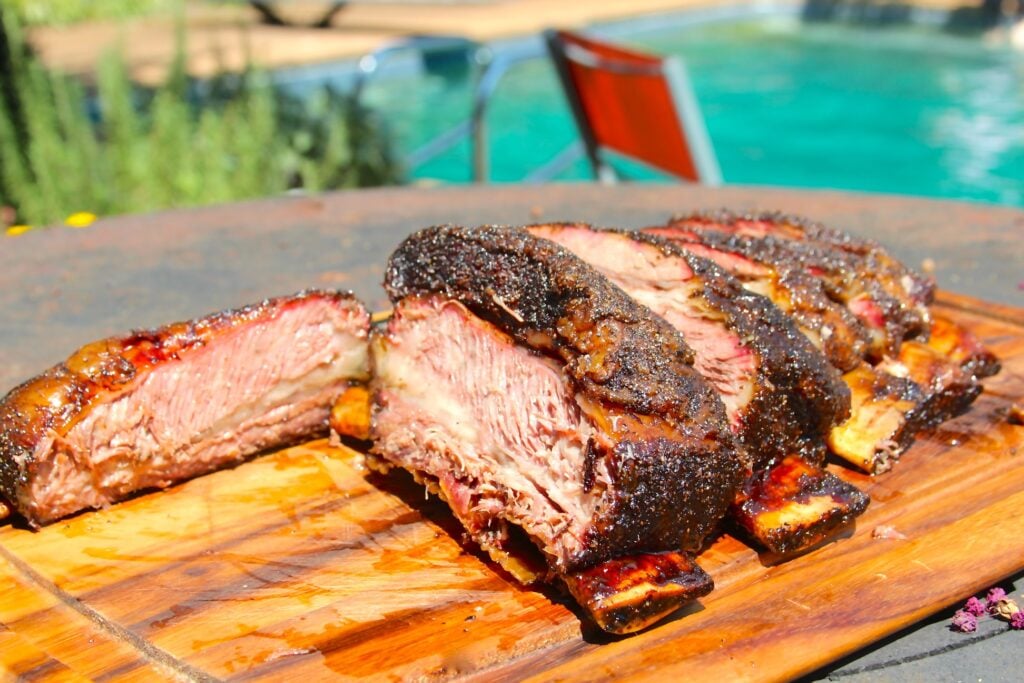
There are several subsections and cuts from the ribs: Back ribs, ribeyes, short ribs, English cut, flanken cut ribs, riblets, boneless short ribs.
The Science of Herbs & Spices
Here is everything a cook needs to know about herbs and spices as well as a list of essential herbs and spices to buy, how to store them, substituting dried for fresh, substituting one herb or spice for another, toasting spices, blooming spices, and other preparations that get the most flavor out of them.
The Science of Soup, Stock, Gravy, and Bouillon
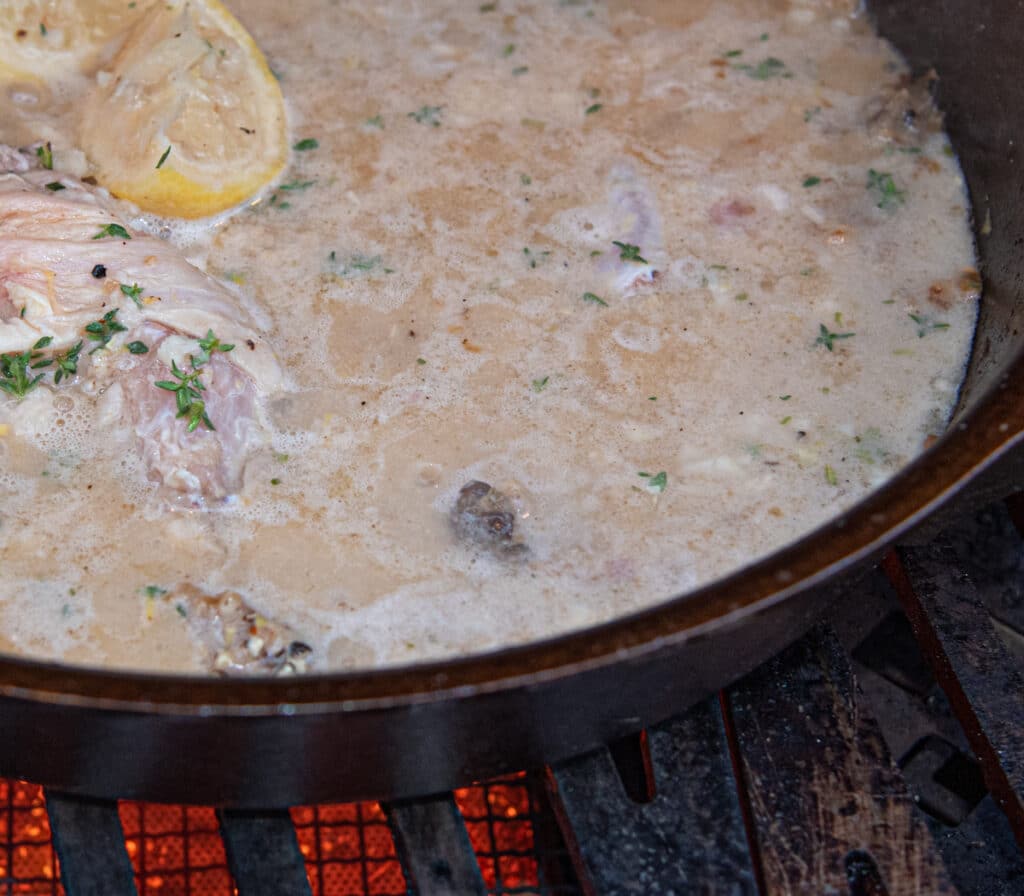
Where do you draw the line between soup and sauce? Read all about the basics of and differences between soup, sauce, stock, broth, gravy, pan sauce, and many more.
The Science Of Pickles
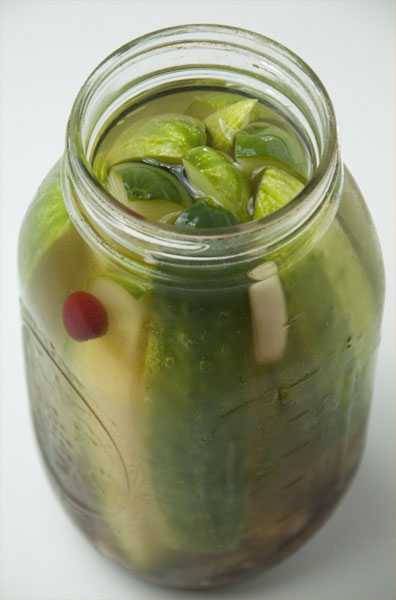
What is the difference between Kosher Dill and Genuine Dill pickles? Here’s your guide to everything you need to know about fermented pickles, refrigerator pickles, quick pickles, pickling liquids, pickling spices, gherkins, bread and butter pickles, half sours, and other pickled foods besides cucumbers.
The Science of Shrimp
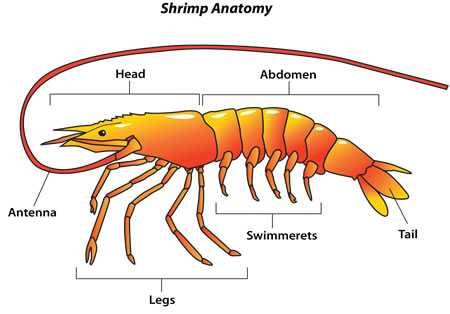
Understanding labeling of shrimp, shrimp sizes, and how to buy, and clean shrimp.
The Science Of Balsamic Vinegar: Magnificence And Deception
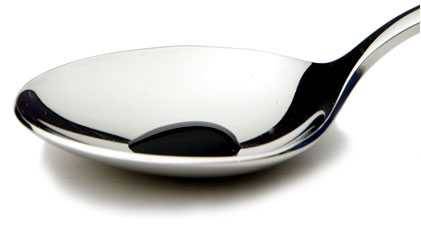
Confused about balsamic vinegar? Why does one bottle cost $5 and another $500? Read about the three main classifications: Tradizionale, Condimento, and Balsamic Vinegar di Modena. Find out how they are made, trade associations and labeling criteria, how to make balsamic syrup, and all about white balsamic vinegar.
The Science Of Yeast
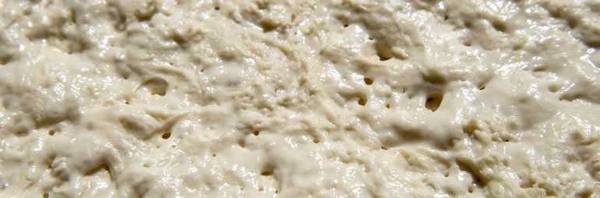
There’s yeast for baking, for brewing, for making wine, and for nutrition. Read on to learn more about the type used most often in cooking: baker’s yeast. Find some good tips for buying, storing and using active dry yeast, instant yeast (quick rise yeast), fresh yeast (cake yeast), and wild yeast (sourdough yeast).
The Science of Potatoes
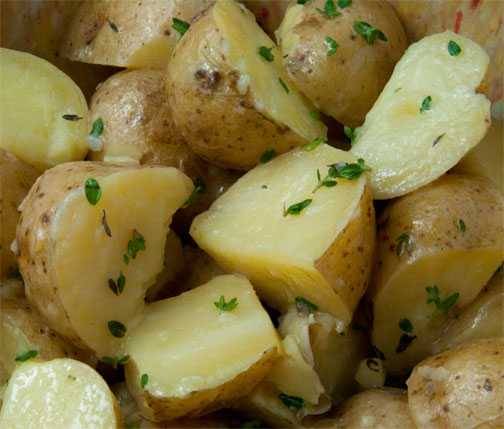
What’s up with spuds? Here’s everything a cook needs to know about buying potatoes, storing potatoes, and cleaning potatoes.
The Science Of Pizza On The Grill
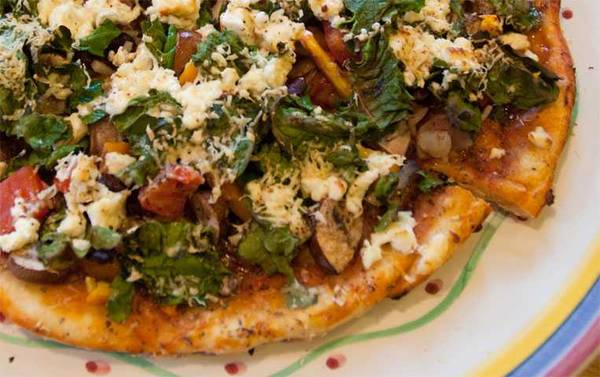
Grilled pizza is closer to brick oven pizza like you get in Italy or France than anything you can do indoors. A great pizza is incredibly easy to make from scratch at home, even the dough, and once you try it you’ll never want delivery pizza again. Here are the secrets to making and grilling a perfect pizza at home.
The Science Of Hamburger Buns
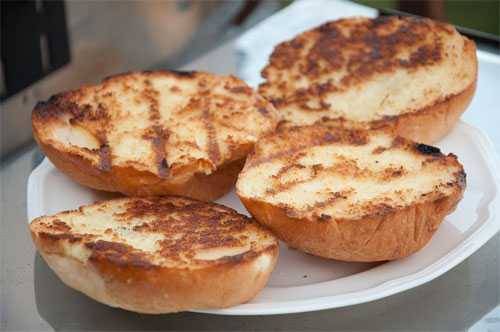
Not just any bun will do. Here are some tips on selecting the right bun for your masterpiece.
The Science Of Salt
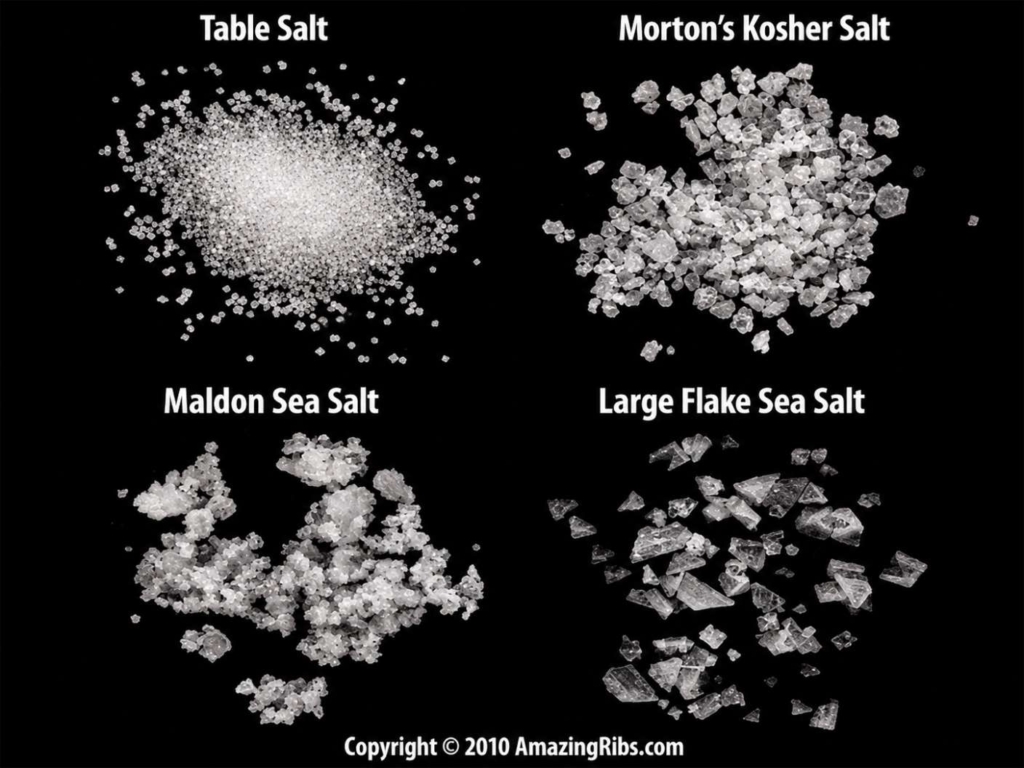
Here’s what you need to know about table salt, kosher salt, pickling salt, sea salt, seasoned salt, curing salts, and how to use them. Learn also about brines, measuring different salts, and the health aspects of salt.
The Science Of Oils And Fats

Despite their bad press, oils and fats are essential to support life. Your body needs them. And it is almost impossible to cook well without them. Find out all about different vegetable oils and animal fats, how to cook with them, and how to use them healthfully.
The Science Of Sugars, Syrups, Sweeteners, And Sugar Substitutes
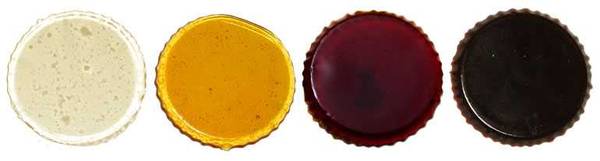
Find out everything you need to know about sucrose, fructose, and glucose, as well as how to cook with different sugars, syrups, and artificial sweeteners, including granulated sugar, brown sugar, turbinado, demerara, Barbados, muscovado, and more. Plus a handy guide to the stages of sugar syrup for candy making.
The Science Of Rubs
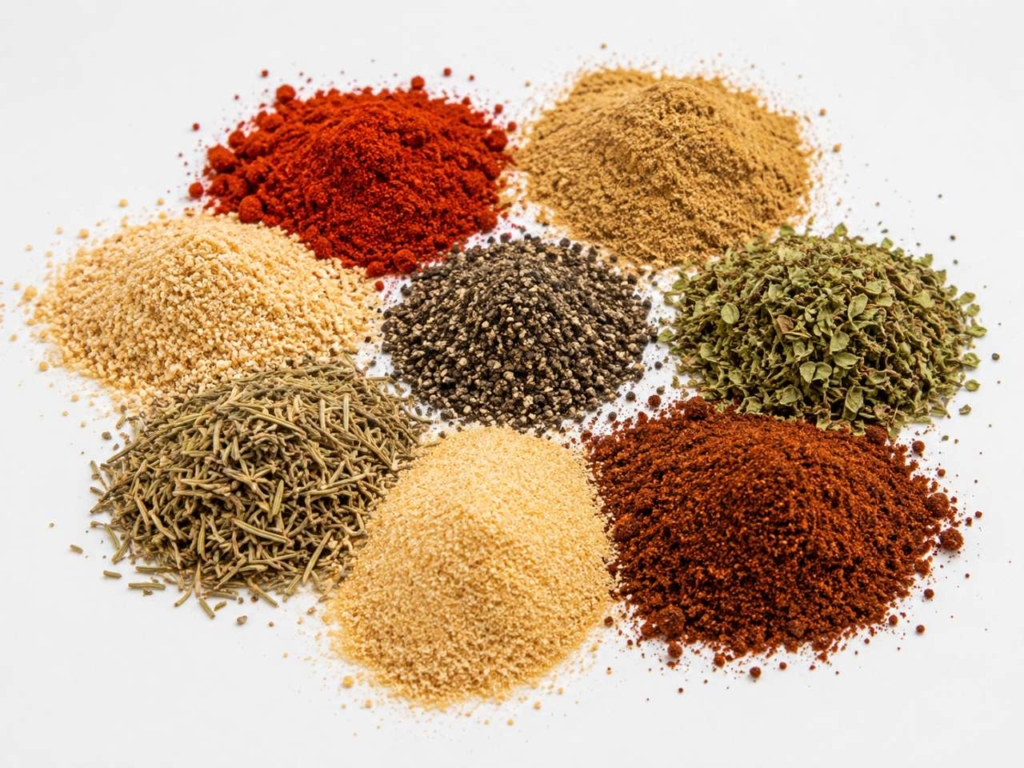
Herb & spice rubs and blends are a great way to bring major flavor to food. But there is a science and art to making and using them.
The Science of Beans
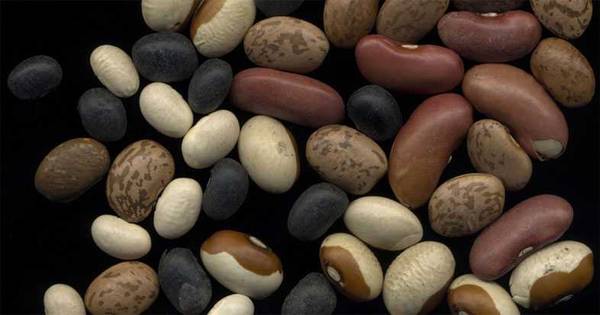
Beans are a cheap, easy, flexible source of protein, and there are a million things you can do with them once you understand these basic concepts.