

Resting Meat: Why I Don’t Believe The Hype
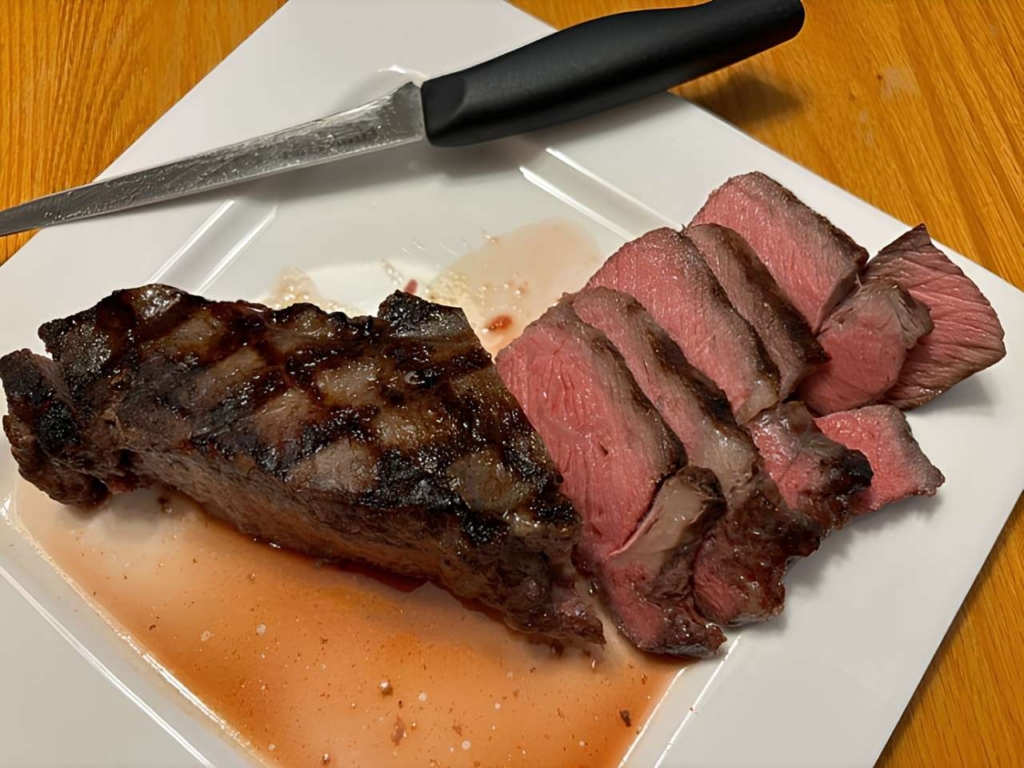
Stop worrying about resting meat after it is cooked. Serve it hot. We bust this myth with a review of the scientific research, some tests of our own, some basic meat science, explanations of carryover cooking and what makes meat juicy, a look at doneness temperatures, and how carving comes into play.
The Science Of Pickles
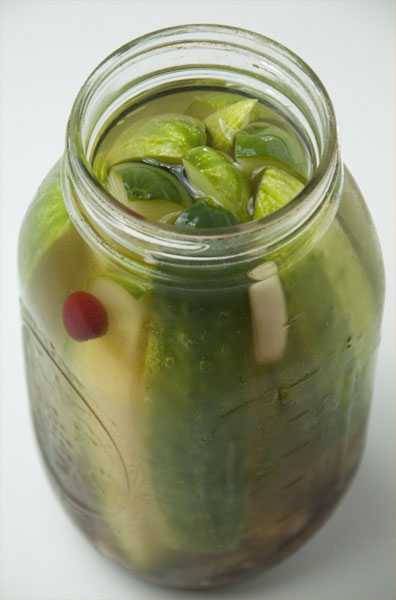
What is the difference between Kosher Dill and Genuine Dill pickles? Here’s your guide to everything you need to know about fermented pickles, refrigerator pickles, quick pickles, pickling liquids, pickling spices, gherkins, bread and butter pickles, half sours, and other pickled foods besides cucumbers.
Myth: Searing Steaks Seals In The Juices
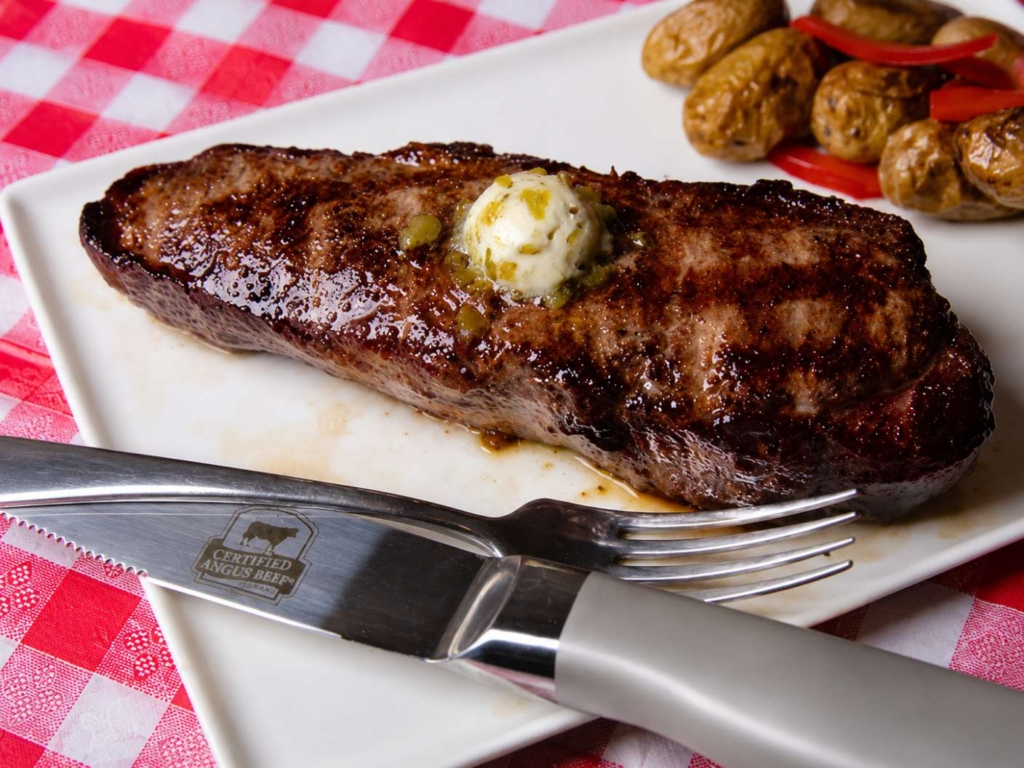
Sorry folks: searing meat to seal in the juices is a myth. Of course, searing meat has other benefits, most notably creating the delicious flavors of browned meat! Here are the facts about meat juices, searing, browning, and a better way to sear your meat called the reverse sear.
How To Make Caramelized Onions
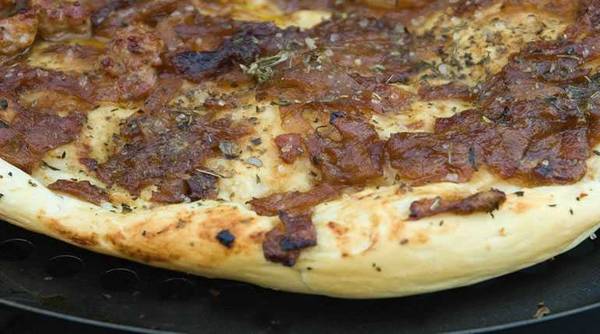
Here’s our simple recipe for the best way to make sweet caramelized onions for pizza and other dishes.
How to Grill and Smoke in Cold Weather
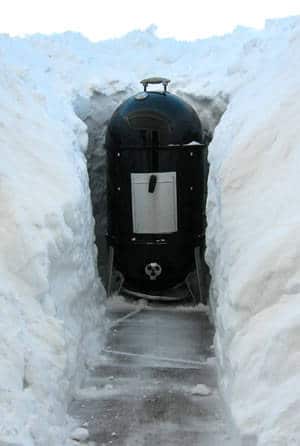
Learn some nifty tricks for insulating and protecting your cooker so you can beat the cold, rain, snow, and wind. These handy tips will keep you grilling and smoking successfully on any cooker, at any time, in any weather.
How to Make Safe Burgers
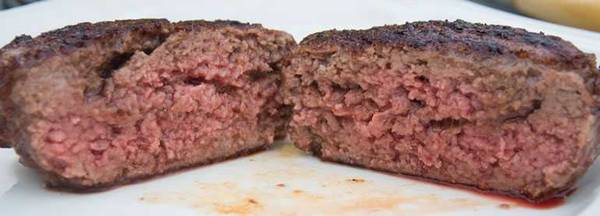
Undercooked ground meat and sausage can kill. Here’s how to make great tasting burgers that are safe.
The Science of Shrimp
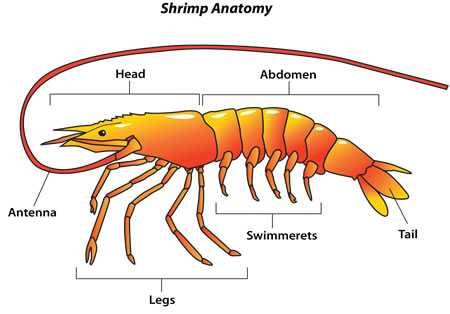
Understanding labeling of shrimp, shrimp sizes, and how to buy, and clean shrimp.
Marinade Myths And How To Add Flavor More Effectively
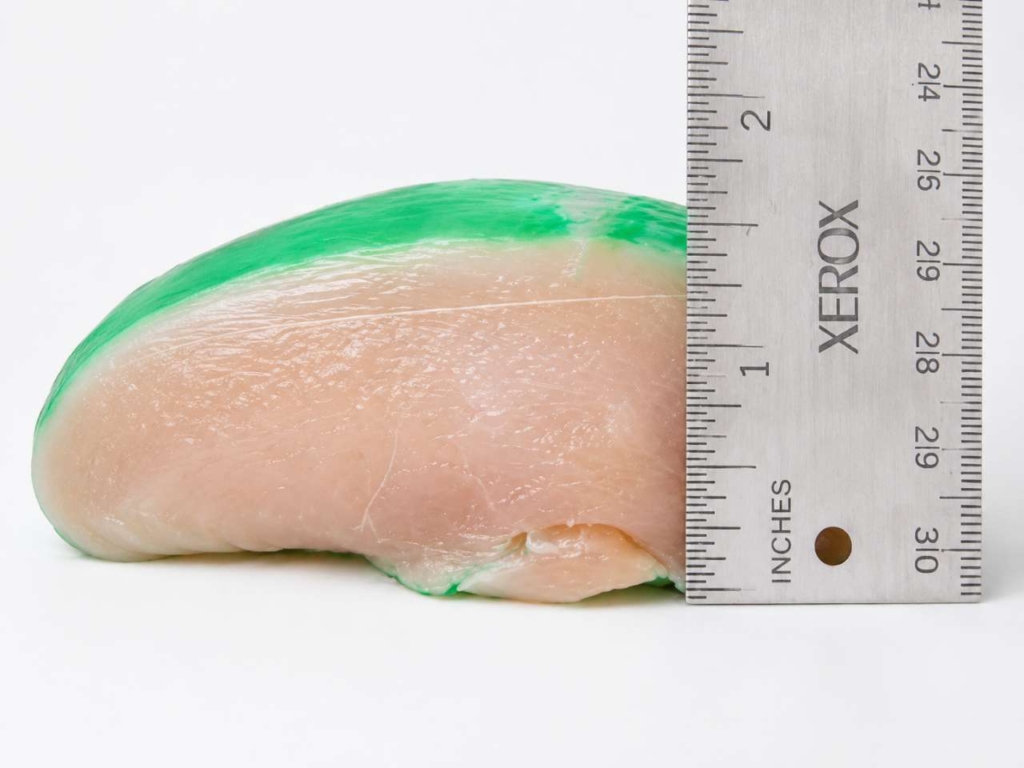
Marinades work on some foods but not on others. A good marinade contains certain ingredients but not others. Here’s the truth about marinades and brinerades.
The Science Of Balsamic Vinegar: Magnificence And Deception
Confused about balsamic vinegar? Why does one bottle cost $5 and another $500? Read about the three main classifications: Tradizionale, Condimento, and Balsamic Vinegar di Modena. Find out how they are made, trade associations and labeling criteria, how to make balsamic syrup, and all about white balsamic vinegar.
Myth: You Can Tell Doneness By Cutting Meat To Check The Color
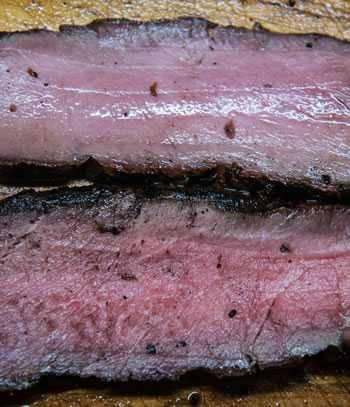
Is meat color an accurate indicator of doneness? A lot of cooks cut into meat and judge doneness by the meat color. But the color of meat changes when it is exposed to oxygen. The only reliable way to judge doneness is with a good digital thermometer. Here’s everything you need to know about meat color and doneness.
When To Put A Lid On It
Lid up or lid down? It’s a question that comes up on the patio as often as it does in the bathroom. Answer: it depends. Sometimes you want to cook with the grill lid on, and sometimes you want it wide open. Read on to find out why.
The Science Of Yeast
There’s yeast for baking, for brewing, for making wine, and for nutrition. Read on to learn more about the type used most often in cooking: baker’s yeast. Find some good tips for buying, storing and using active dry yeast, instant yeast (quick rise yeast), fresh yeast (cake yeast), and wild yeast (sourdough yeast).
Myth: Soaking Wood For Smoking
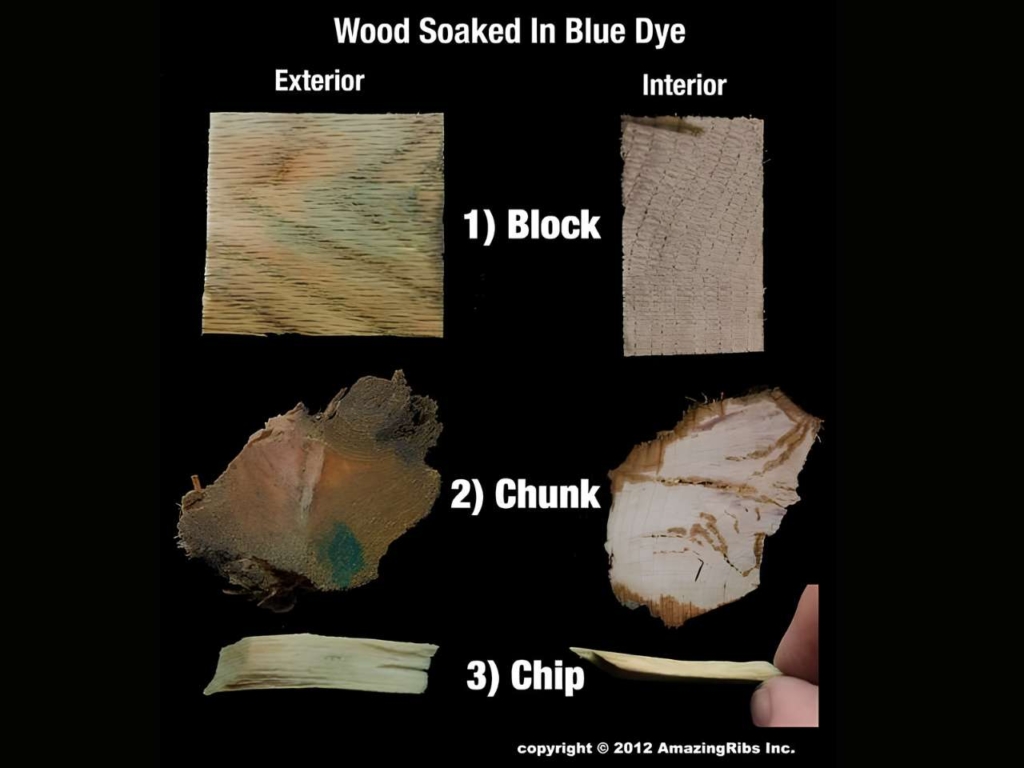
There is no need to soak wood before cooking with it. Water doesn’t penetrate wood. That’s why they make boats from it! Discover the science behind wood combustion, smoke, and the best way to use chips, chunks and logs for smoking and grilling with wood.
Is Corn Syrup Bad for You?
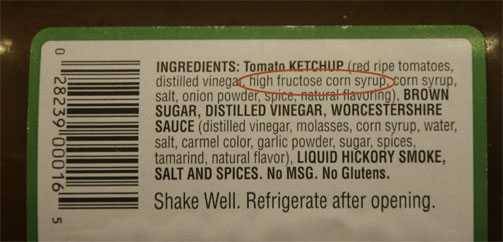
Get the facts about corn syrup and health. There are many types of corn syrups and they have been the subject of much debate in discussions of food and health. Here is the truth.
Cooking Time – What Influences It?

Why are exact cooking times so hard to predict? Because the actual time it takes meats and other barbecued foods to reach a certain level of doneness depends on many variables such as the weather, the cooking method, the type of meat, meat thickness, humidity in the cooker, and the accuracy of your thermometer.