


Mythbusting the Smoke Ring: No Smoke Necessary!
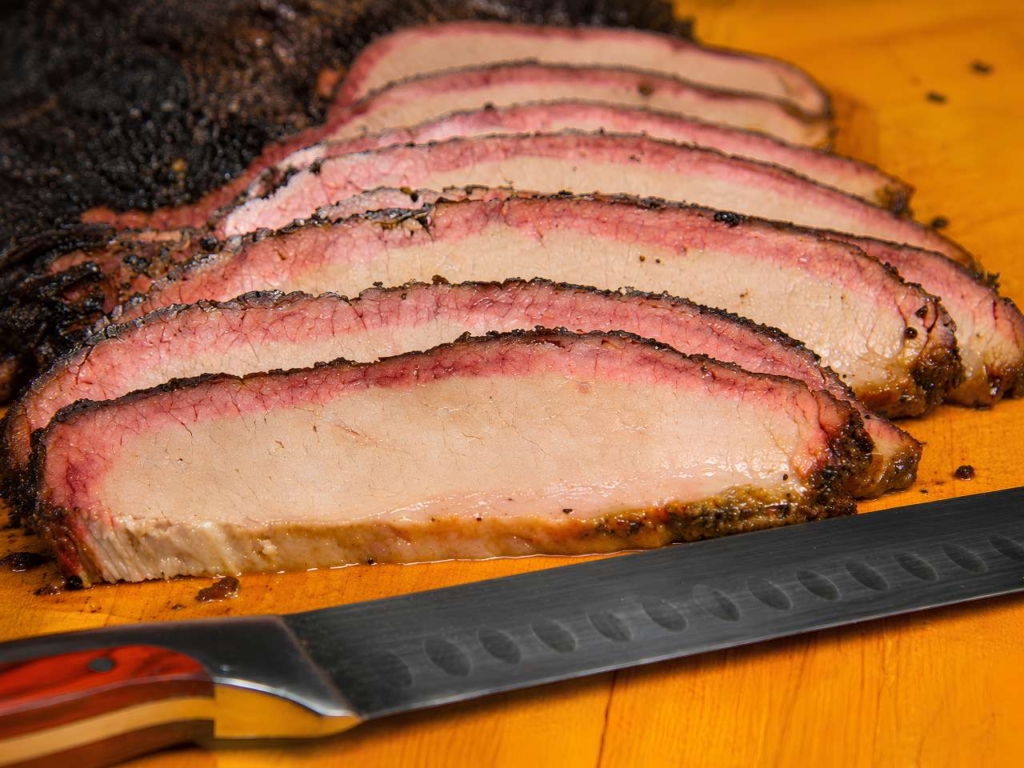
Smoked meats often have a pink layer below the surface called the smoke ring. But you don’t need smoke to create it! It is created by myoglobin, a protein in meat, reacting with combustion gases. Read on to learn how removing the fat cap from meat, keeping the meat moist, and cooking low and slow create the smoke ring.
Carryover Cooking: A Problem or Much Ado About Nothing?
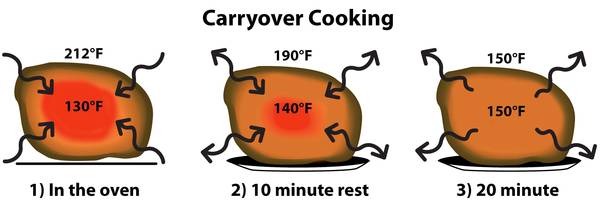
What is carryover cooking? It’s true that the internal temperature of food can continue to rise after you’ve taken the food off the heat and placed it at room temperature. How long does carryover cooking continue? By how many degrees will the internal temperature rise? Here are all the variables you need to know.
How To Know When Ribs Are Done
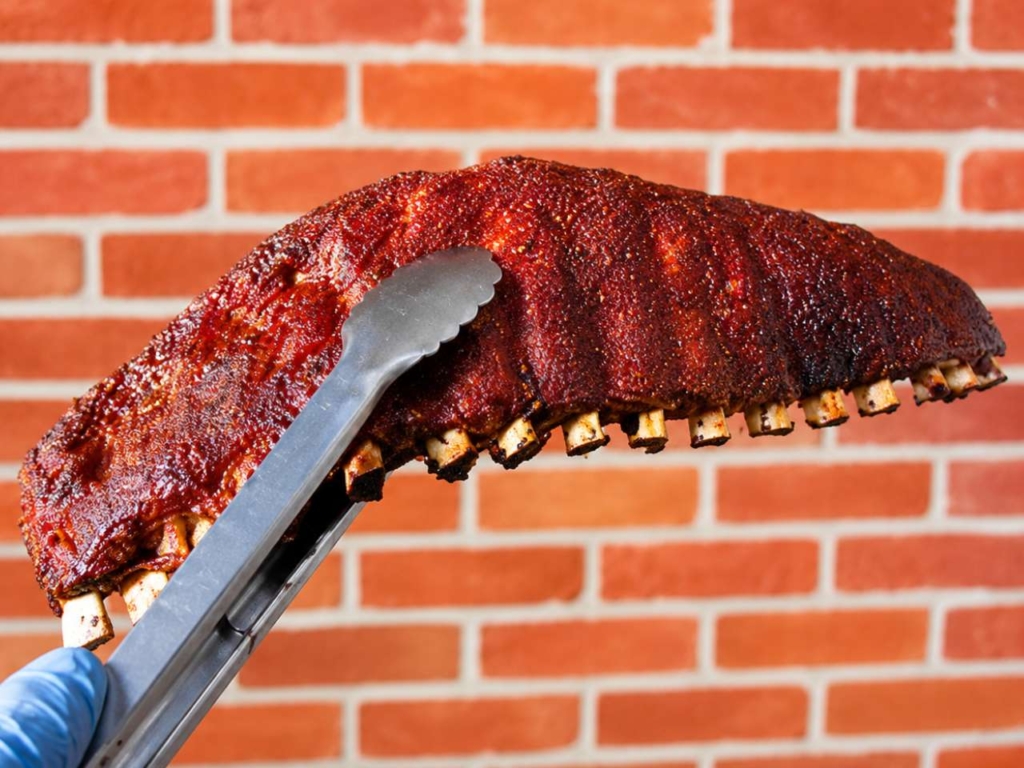
There are several techniques to tell when your ribs are ready: bend, twist, peek-a-boo, taste, toothpick, popup, and thermometer test. Since ribs come in so many different weights and thicknesses, knowing when they are done is an inexact science but here are some guidelines and techniques that will help make it easier.
Benchmark Barbecue Sauces And How To Make Them
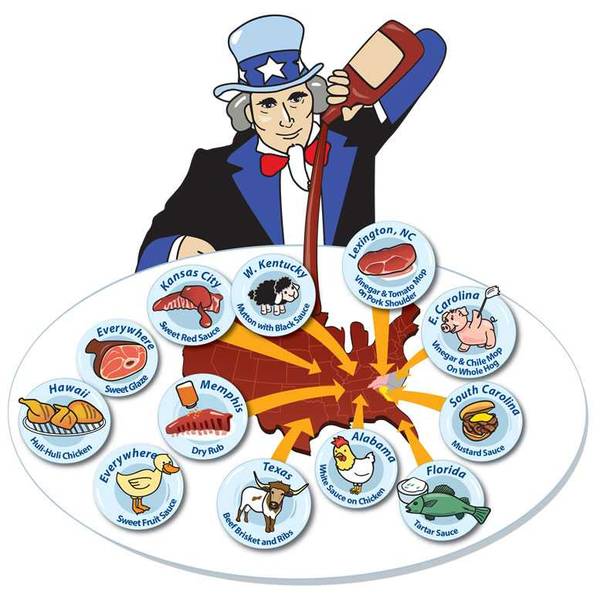
The US has several distinct barbecue sauce styles from Kansas City to South Carolina, Eastern Carolinas, Western Carolinas, Texas, Alabama, Kentucky, Hawaii, Florida, Memphis and more. Here is a description of them, and links to buy them, and recipes.
How to Grill With Wood and Master Campfire Cooking
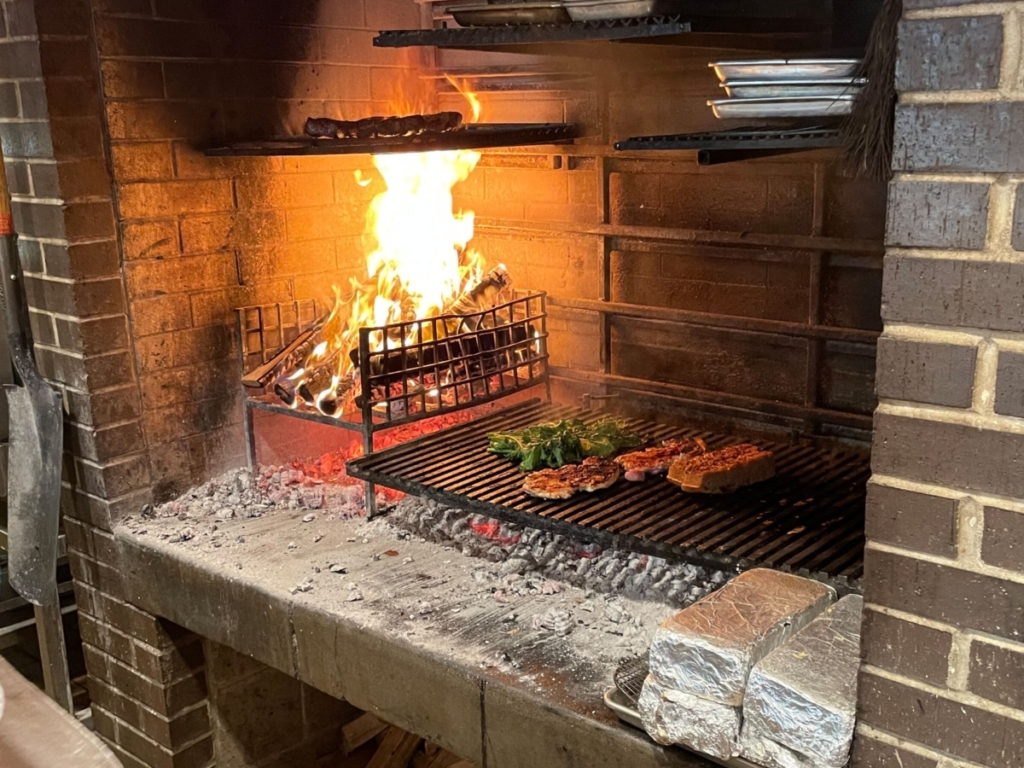
Discover the secrets to grilling with wood and mastering campfire cooking. Once you cook with wood and enjoy the high heat and incredible smoke flavors, you will want to cook this way again and again.
The Science of Beans
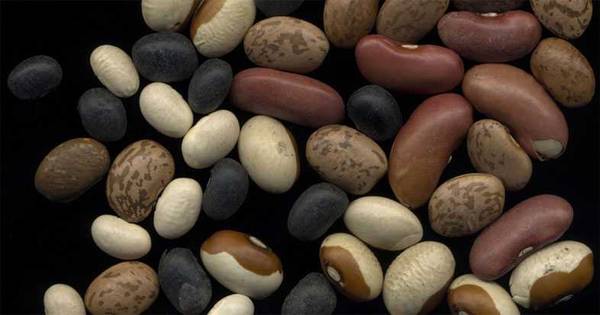
Beans are a cheap, easy, flexible source of protein, and there are a million things you can do with them once you understand these basic concepts.
The Science of Clams
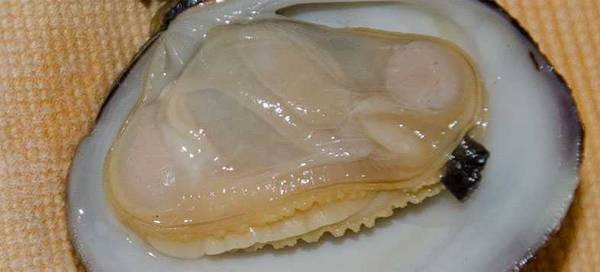
There are many varieties of clam, and many ways they are sold. Here’s what a cook needs to know.
The Big Chill: A Trick For Making The Perfect Sous-Vide-Que Steak
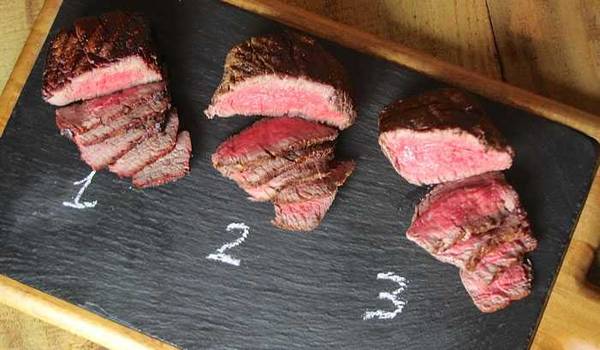
Fire meets water with the introduction of the sous-vide-que cooking method. By starting steak in a temperature controlled sous vide water bath, it’s rendered perfectly cooked every time. Before hitting the grill, the food is shocked in an ice and water bath to stop cooking so that it can be grilled without overcooking.