



Extreme heat is the key to a good stir-fry—a charcoal chimney gets you there
What’s that special something in the pork fried rice at your local Chinese restaurant? The high heat. Most home stoves just don’t get hot enough to properly and quickly sear food in a wok. But a cheap charcoal chimney does. Read all about the technique in my article on how to stir fry outside for higher heat. Then make this simple pork fried rice dish. The results are so good you may never stir fry indoors again. Bonus: you won’t set off the smoke alarm and have everyone running for cover.
What is pork fried rice on a charcoal chimney?
Pork fried rice on a charcoal chimney is a high-heat, outdoor wok stir-fry that uses blazing-hot charcoal instead of a stovetop burner. The chimney creates intense, focused heat—similar to restaurant wok burners—allowing the rice and other ingredients to quickly and properly fry instead of steam. This version layers smoky, honey-roasted pork with day-old rice, aromatics, eggs, and umami-rich sauces for deep flavor and crisp texture.
Why this recipe works (and why you’ll love it)
- Real wok heat outdoors: A charcoal chimney delivers temperatures most home ranges can’t touch.
- Dry, day-old rice: Prevents clumping and creates distinct, lightly crisped grains.
- Smoked pork tenderloin: Adds subtle barbecue flavor without overpowering the dish.
- Fast cooking: Once the wok hits the chimney, everything comes together in minutes.
- Highly adaptable: Swap proteins, nuts, or heat levels easily.
This is pork fried rice the way it’s meant to be cooked—hot, fast, and unapologetically smoky.
Ingredients & substitutions
- Cooked white rice (day-old) – Dry, separated grains are essential for proper frying
Sub: Jasmine, basmati, or long-grain white rice - Pork tenderloin – Extremely tender, cooks quickly, and absorbs smoke well
Sub: Pork loin (less tender), chicken thigh, shrimp - Honey – Promotes browning and subtle sweetness on the pork
- Soy sauce – Salty backbone of the sauce
Sub: Tamari or light soy - Oyster sauce – Adds savory depth and richness
- Hoisin sauce – Sweet-salty complexity
- Chili crisp or hot sauce – Controlled heat and texture
- Sesame oil – Nutty aroma added at the end
- Garlic & fresh ginger – Classic aromatic foundation
- Scallions – Whites for frying, greens for freshness
- Eggs – Add richness and body
- Cashews – Crunch and mild sweetness
Sub: Peanuts or omit for allergies - Peanut or neutral oil – High smoke point for intense heat cooking
How to make pork fried rice on a charcoal chimney
- Dry the rice if needed by spreading it out and warming briefly in a low oven.
- Smoke-roast the pork with honey until just cooked, then dice into bite-size pieces.
- Mix the sauce: soy, oyster, hoisin, sesame oil, and chili crisp.
- Prep all ingredients before lighting the fire—once you start, it moves fast.
- Fire the chimney until coals are fully ashed over.
- Preheat the wok directly on the chimney, then coat with oil.
- Fry pork until lightly crispy.
- Add aromatics and cook briefly.
- Scramble eggs, chop them up, then add rice.
- Let rice brown, tossing occasionally.
- Add sauce and scallion greens, stir thoroughly.
- Finish with cashews and serve immediately.
Expert tips
- Rice matters most: Fresh rice will turn gummy. Day-old is non-negotiable.
- Tenderloin vs loin: Tenderloin is smaller and more tender—don’t confuse the two.
- Work in batches if needed: Overcrowding kills browning.
- Have water nearby: A splash cleans the wok instantly if bits start to burn.
- Make-ahead friendly: Pork and rice can be prepped a day or two ahead.
- Storage: Refrigerate leftovers up to 3 days; reheat hot and fast.
Pork Fried Rice Recipe FAQs
Yes, but you’ll miss the point. The extreme heat of a charcoal chimney mimics the heat of a restaurant wok burner. You could use an outdoor wok burner if you have one.
It’s the heat. Even the smallest wok burners put out at least 30,000 BTUs while the burners on a home stove rarely get above 20,000 BTUs. This economical chimney setup gets you much closer to a wok burner than a home stove ever will.
Absolutely—just be sure it’s dry and not oily.
No. Any high–smoke-point oil works.
Yes, but you’ll lose a layer of flavor. Pan-seared or grilled pork works in a pinch.
No. You don’t want to crowd the ingredients in the pan or they’ll steam instead of sear. For the best results, cook ingredients in stages, and then add everything back to the pan at the end.
Definitely. Use the same technique and change the main ingredients to your heart’s desire. Rice and eggs are pretty standard in fried rice. But you can use chicken or beef instead of pork. Add peas and carrots if you like. Use almonds instead of cashews, or skip the nuts altogether. Sesame seeds are nice sprinkled on at the table.
If you like this recipe, you’ll love…
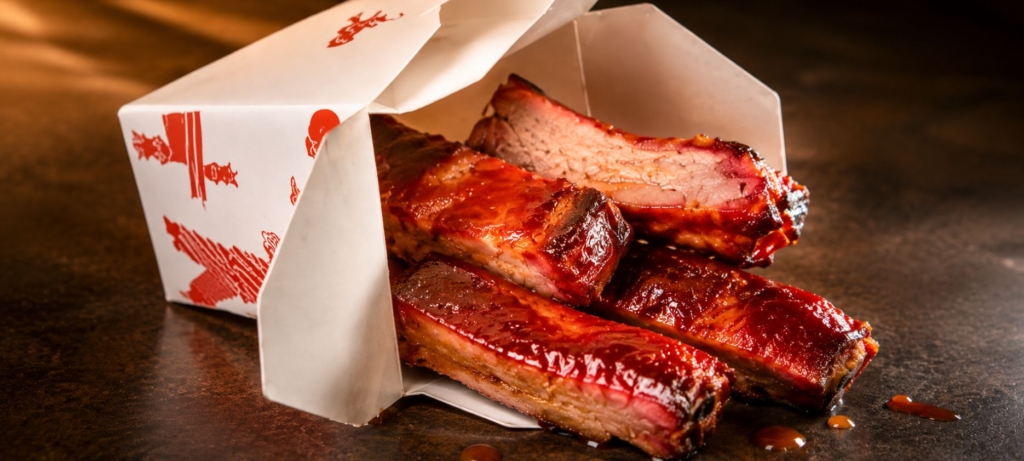
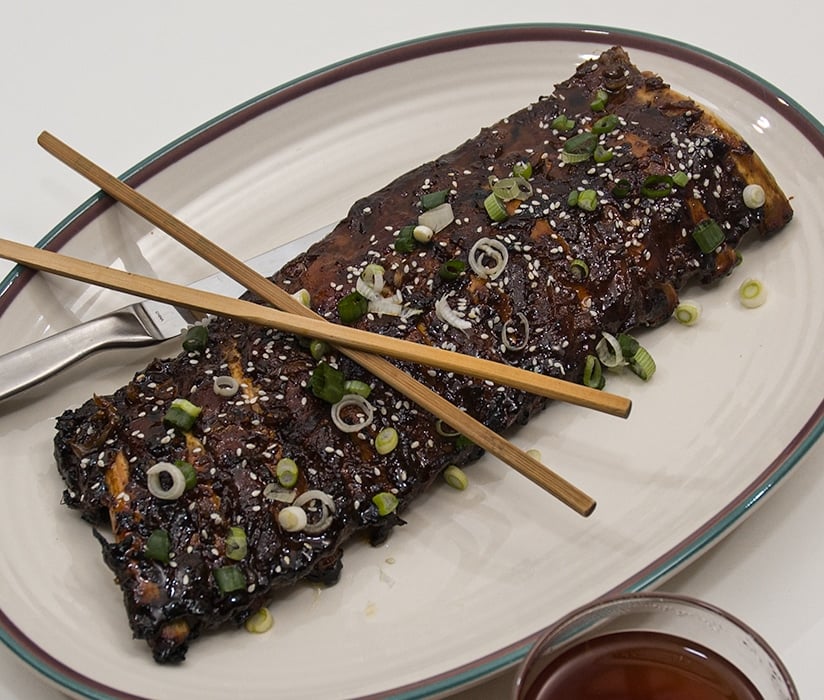
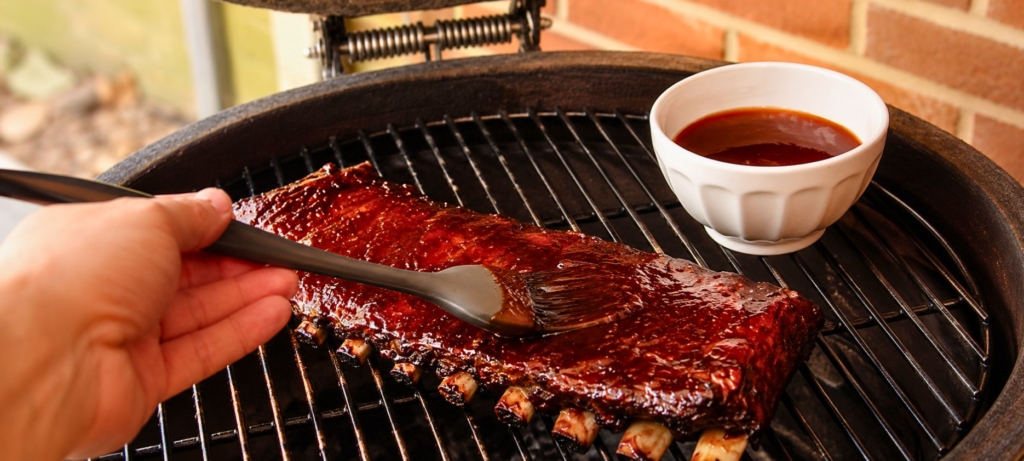
- Chinese Five-Spice Ribs
- Hoisinful Nine Dragon Chinese Ribs
- Char Siu Ribs from Chinatown
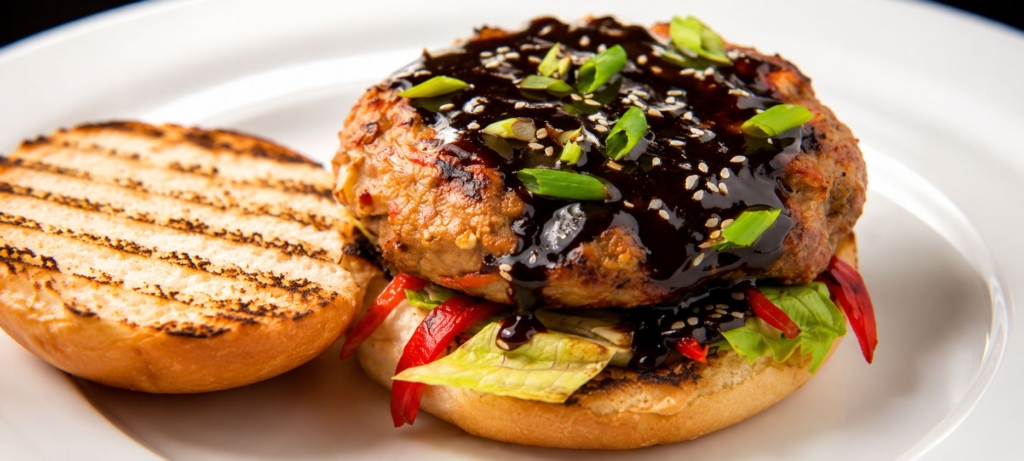
- Chinese Mu Shu Pork Burger
- The Science of Rice
- There’s Nothing Like a Rice Cooker

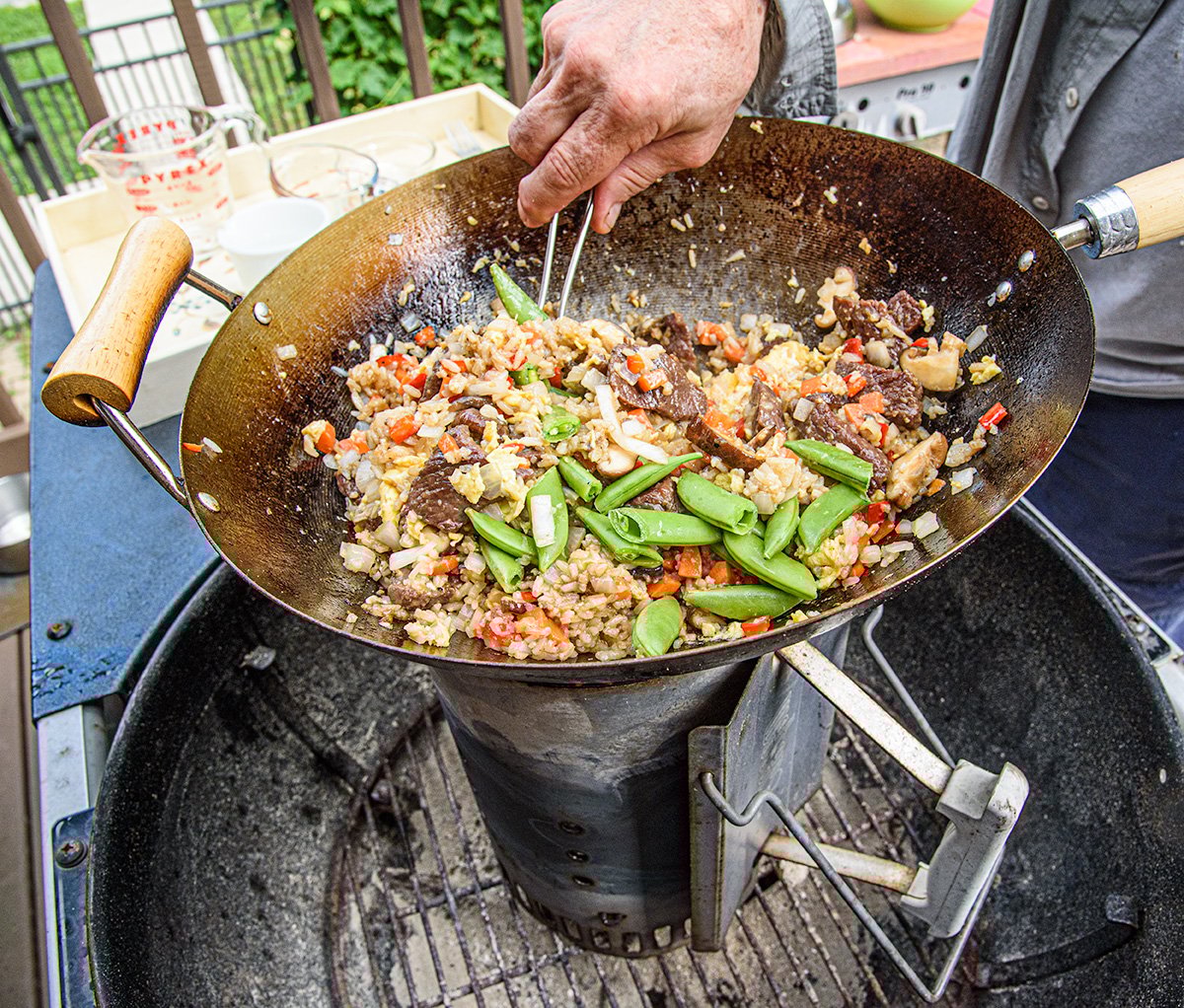
Pork Fried Rice On A Charcoal Chimney
Special Tools
Ingredients
Method
- Read twice. Read this procedure twice. Once you get started, things move fast. You need to be ready. When it comes time to cook, it is vital to have everything chopped, sliced, and diced and ready to go. Clean the wok, dry it, and coat the inside with a thin layer of oil.
- The rice. If the rice is still wet, with your hands, break up the clumps into a single layer of discrete grains on a sheet pan. Then pop it in the oven on the lowest temp for about 15 minutes.
- The pork. Lightly salt the pork and paint one side with honey. Throw it on your smoker or set up your grill for smoking but heating only one side and throwing wood on the coals or flame, the 2-zone setup. Put the pork on the other side away from the direct heat, honey side down, and paint the other side with honey. Smoke roast it to about 120°F internal temperature, about 1 hour, and remove it. When it cools enough, cut it into bite sized chunks, about 1/2 inch on all sides.
- Make the sauce. In a bowl, mix together the oyster sauce, soy sauce, hoisin, sesame oil, and chili crisp.
- The rest of the prep. Peel and mince or press the garlic cloves and put them in a small bowl. Mince the ginger until you have 2 tablespoons (you don’t have to peel it) and put it in the bowl with the garlic. Clean the scallions, peel off any dead skin, chop off the roots, cut them in half separating the firm white parts from the floppy green leaves. Slice them about 1/8 inch thick on the bias keeping the greens and whites in separate bowls. Add the scallion whites to the bowl with the ginger and garlic. Break the eggs into yet another bowl and beat them lightly with a fork. Mix the salt and pepper into the eggs. Dump the cashews in a small frying pan over medium heat and shake them around until they start to brown. Take them off and put them in a bowl.
- Fire up. Start a chimney full of charcoal and wait until the coals are covered in ash.
- Head out. Head outside and bring with you all the bowls of ingredients, the wok, the wok spatula, a strainer, a cup of water, the vegetable oil, a roll of paper towels, a dump bucket or bowl for used rinse water, several clean bowls, and a table knife. They need to be all ready to go on a moment’s notice but you might not need them all. A large tray makes carrying everything a cinch.
- Start frying. Put the cold wok on top of the chimney. Leave it there for 30 seconds. Add about 3 tablespoons oil and roll it around, coating the sides all the way up. Toss in the pork and fry until it gets crispy, about one minute. Add the scallion whites, ginger, and garlic and fry for no more than 30 seconds.Pour in the eggs and keep moving them around until you have scrambled eggs. When they are approaching firmness, chop them into bite-size chunks with your spatula. Add the rice and mix thoroughly. Let it sit a bit so the rice on the bottom will brown a bit, then shake it up and rest. Keep it up for about 4 minutes, and then add the sauce and the scallion greens, and stir in thoroughly. After about 2 minutes you are ready to serve. Scatter the cashews on top and bring the wok to the table.
- Clean the wok. If the wok gets caked with food bits and you fear they will burn, remove the food to a platter, pour a bit of water into the wok and clean it with the paper towels. Let it dry thoroughly. Then add the food back. You can clean the wok like this whenever you need to. Serve.

Before you can post a comment or question you must sign into our commenting partner, Disqus. This helps make sure everyone hanging around the grill is civil. We do not tolerate nastiness, racism, porn, inappropriate language, or attacks on others. All comments are the property of AmazingRibs.com and we reserve the right to quote them, edit them, delete them, and block people from making future comments.
Please leave comments and questions on the same page that is devoted to that subject so others can see questions and our answers when they are reading about the subject. You must enable JavaScript to use the comments section, and you must accept cookies to post comments. Note: the software that runs Disqus is different from the Pitmaster Club, so members need to sign into the Pitmaster Club separately.