
We explain them all
Eve plucked an apple and handed it to Adam. A pure, simple, raw, unprocessed, delicious apple. And for this they were kicked out of Eden. Then they had to find food in the real world. There were raw fruits and vegetables, but the breakthrough came after a forest fire. They discovered charred animals that smelled and tasted spectacular and so they began hunting and cooking their foods.
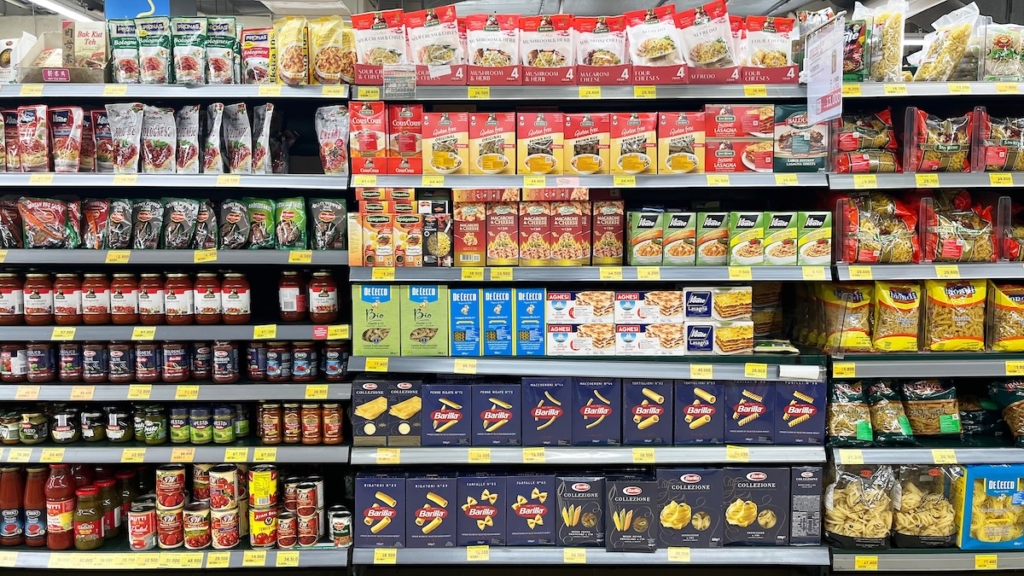
By applying heat to food they took humanity into the era of processed foods because cooking is a simple process that massively changes the chemistry of food. And since then it has gotten quite complicated. Today there is food that is raw, minimally processed, ultra-processed, junk, hybridized, cross bred, bioengineered, GMO, lab-grown, manufactured, and 3D printed. Let’s untangle the mysteries of processed food and bust some myths.
Food Consists of Chemicals
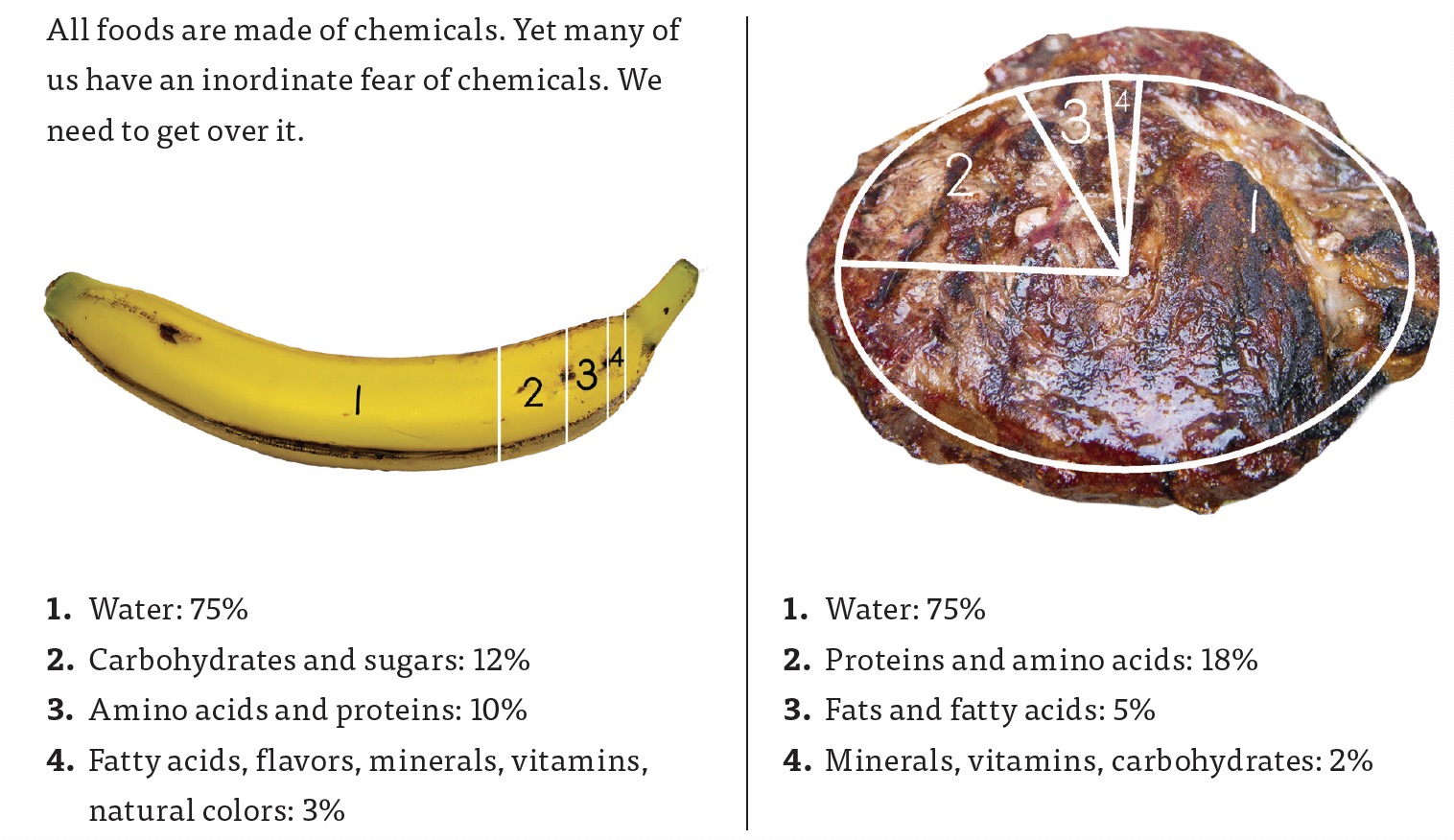
Before we wade in, we need to understand that all food is made of chemicals. People tend to think of chemicals in food as being additives, but something as simple as a banana or a steak contains complex chemicals from nature, including amino acids, proteins, carbohydrates, sugars, fats, minerals, vitamins, colors, and water. These are all complex chemicals. We need to understand that not all chemicals are enemies, just some of them. Here is an illustration from my book, “The Meathead Method.”
In addition to understanding these terms, learning to read labels is crucial. Alas, government labeling regulations are sometimes confusing, even deceptive. For example, the USDA says a “fresh” turkey can reach an internal temperature as low as 26°F, at which point it is hard as a rock, a.k.a. frozen. That’s considered fresh? Really? Nutrition labels on food products and those found on recipes online can be misleading. Prof. Greg Blonder, the AmazingRibs.com science adviser, points out that “a veggie may contain 100 mg of vitamin C when raw, but when simmered in a stew the vitamin content might drop by 80%.”
I hear and see a lot of scare language about food lately, especially on social media. It is shocking how little we know about foods and the processes used to bring them to the table. Here is a lady on X who thinks that her tomato has parasites. Those are tomato seeds that have sprouted. Harmless. Yet scores of readers were grossed out.

It is my fervent message to them that they need to educate themselves, and that, although there are many things we can do to improve the quality of our food, our food supply has never been safer and healthier. Worrying about your food will kill you faster than just about anything you eat. Remember, if you eat 3 meals a day 365 days a year, that’s 1,095 meals a year. If you live to be 80, that’s 876,000 meals. A bag of Cheetos now and then is not going to shorten your life one minute. Let’s understand food, but more importantly, let’s enjoy it.
Raw Food is Uncooked Food
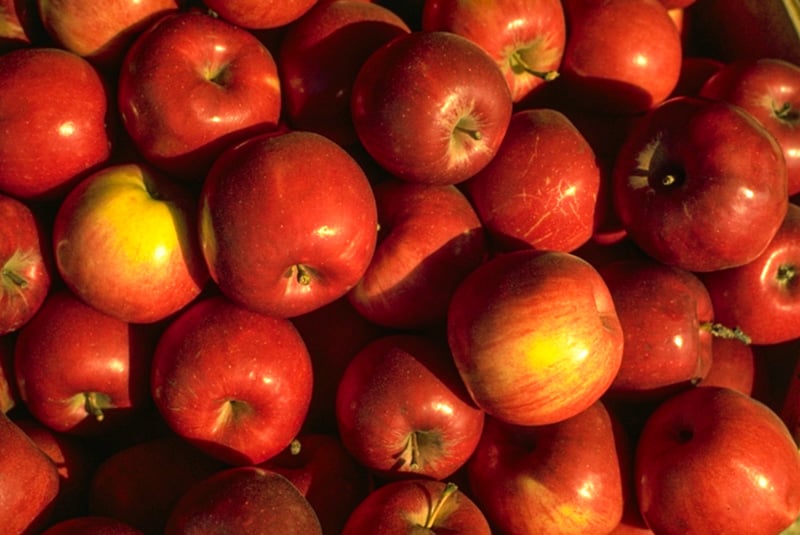
Raw food is food in its unaltered natural state. Most of us eat plenty of raw foods, especially fruits like apples and bananas; vegetables like lettuce and carrots; nuts; seeds; and honey; and some people even eat raw fish and raw beef, and drink raw milk. For some, it is a lifestyle choice.
But raw foods can be a health hazard because raw foods can harbor bacterial pathogens and parasites that are killed when cooked. You probably don’t want to eat a carrot right out of the ground without a rinse, a type of low-level processing, and some raw food, like commercially grown lettuce, is often washed with a little sanitizer like chlorine to kill bacteria.
Why do they do that? Because Tweetie is flying overhead, and Bugs, Bambi, Porky, and Mickey are partying where the crops grow. They can carry Salmonella, pathogenic strains of E. coli, Listeria, parasites, and other bad guys that are killed by cooking. Raw food is never heated, which means it is always higher risk.
Many raw foods are chewier than cooked foods because heat tends to make food softer, and, according to Prof. Blonder “Cooking also releases more nutritional value. Cooking generally increases food absorption in the digestive tract, and thus the amount of effective calories. Often by more than 50%.”
Is honey really a raw food? It is processed by bees through a complex procedure that includes eating nectar, adding enzymes from their digestive systems, regurgitated (yes, regurgitated), passed mouth to mouth, fanned with their wings to dehydrate it, and aged in wax. Raw or processed? You make the call.
EXAMPLES OF RAW FOOD. Fresh fruits and vegetables.
Hybrids and Cross Breeds
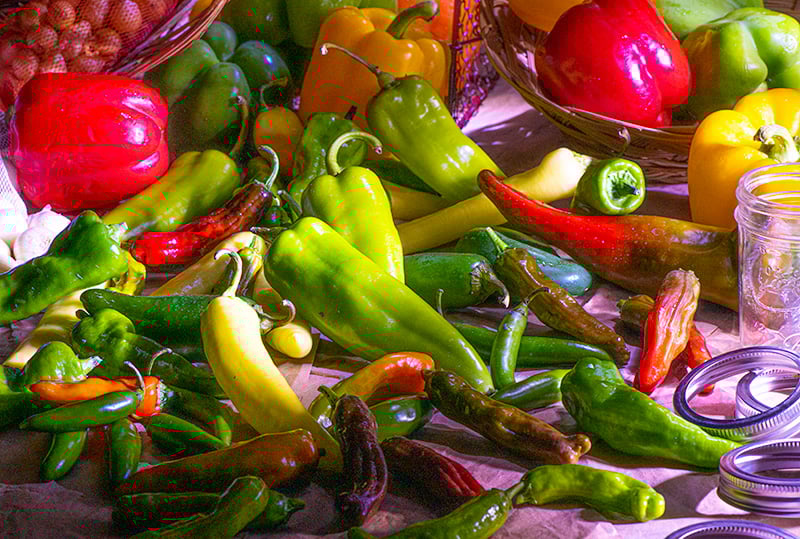
Hybrid foods come from cross-breeding two different varieties of the same species using traditional breeding. A hybrid/cross breed is made by selecting two parents with desirable traits, combining their genes, and growing an outcome that has traits from both parents. Usually this means natural pollen from a female plant is sprinkled on the male parts of a plant. The process is very common. No lab DNA manipulation is involved. In fact, most foods we eat have been hybridized at one time because they grow faster, yield more, taste better, resist disease, and ship better. Hybridizing is how humans have safely improved crops and livestock for thousands of years. You and I are hybrids because we contain the genetic materials of both our parents.
EXAMPLES OF HYBRIDS AND CROSS BREEDS. Many varieties of sweet corn; many varieties of apple such as Honeycrisp; many varieties of tomatoes; most commercial chickens, turkeys, beef cattle, and salmon.
Minimally Processed Food
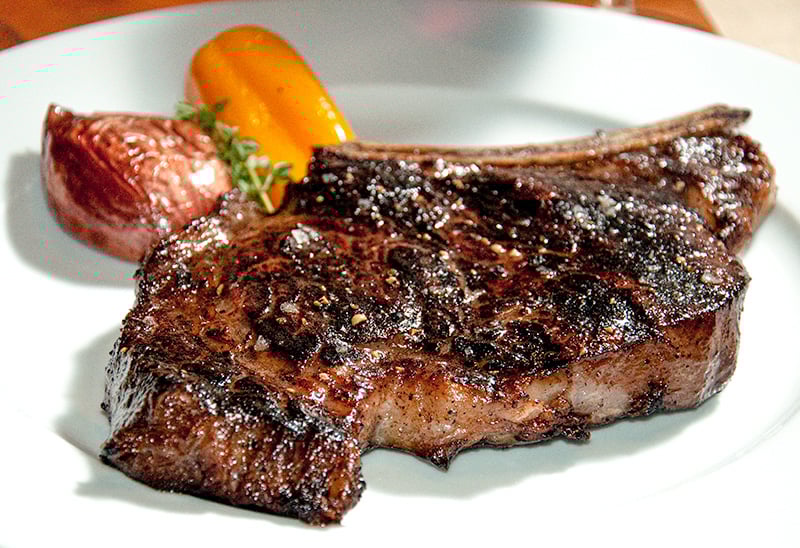
Minimally processed food has been changed from its raw state with minimal intervention to kill pathogens, to prevent spoilage, for convenience, and to improve texture, flavor, and nutrition. Simple cooking is minimal processing. When you boil an egg or grill a steak you are changing its chemistry. If you take raw fish and marinate it to make ceviche and poke, the acid alters the fish’s chemistry. Raw ham legs that are heavily salted to make prosciutto are no longer raw because salt can significantly alter protein. They are all minimally processed.
Sometimes the processing is done by the manufacturer, sometimes it is done at home. Most meals made at home undergo some processing such as washing, trimming, cutting, freezing, frying, roasting, boiling, grilling, smoking, drying, canning, and seasoning with salt, herbs, and spices. That’s right, you are a food processor.
Processing does not necessarily result in unhealthy food, and it has significantly extended human life expectancy. Without food processing, modern cities far from farms could not exist. Processed food is not the same as ultra-processed food. Although many people think of potato chips as ultra-processed, most contain only potatoes, oil, and salt. That is minimal processing. Keep in mind, many home cooks pan fry and salt potato slices. Not much of a difference.
EXAMPLES OF MINIMALLY PROCESSED FOOD. Butter, salt, sugar, honey, pickles, canned fruits, roasted nuts, simply cooked whole foods.
Ultra-Processed and Manufactured Foods
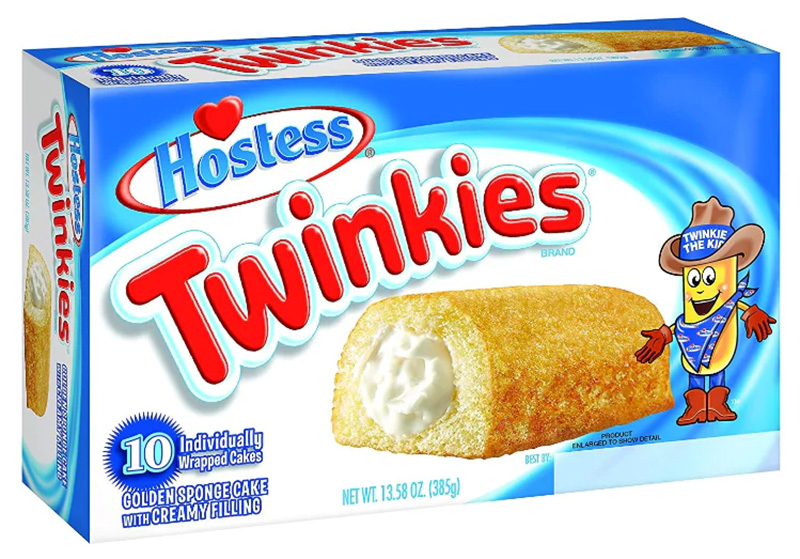
Ultra-processed food (UPF) is created with substances extracted from raw foods and with modified ingredients and other additives generally regarded to be safe (GRAS) but with little or no intact whole food left. This is the most misunderstood and controversial category and for that reason I think ultra-processed food is not a very useful term.
UPFs are designed to be super tasty (they’re typically high in sugar, salt, and/or fat), convenient, and have a long shelf life. They typically contain combinations of refined starches (corn starch, modified starch), refined sugars (HFCS, dextrose, maltodextrin), protein isolates (soy protein isolate, whey protein isolate), emulsifiers/stabilizers/thickening agents (carrageenan, guar gum, pectin, xanthan gum, corn starch), flavor enhancers (MSG, yeast extracts), “natural flavors” (extracted from fruits), sweeteners (aspartame, sucralose, stevia), and artificial colors (Red No. 40. Blue No. 1, Yellow No. 5).
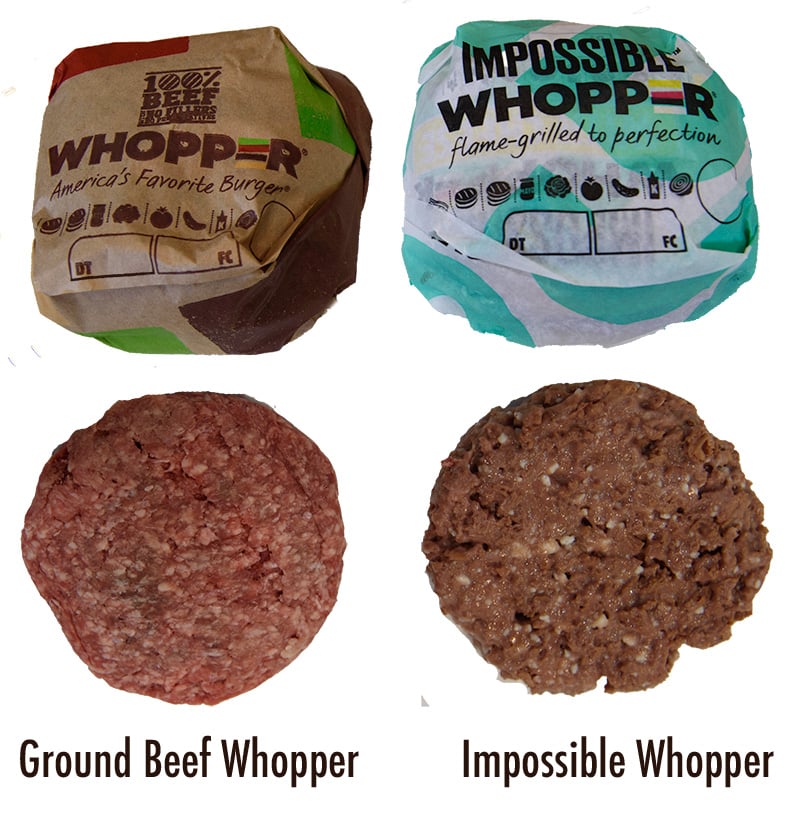
Plant-based burgers are growing in popularity, made from legumes, grains, and nuts designed to taste like traditional beef burgers. They don’t unless you smother them in ketchup, pickles, onion, lettuce and tomato and a big bun. Two brands of ultra-processed plant-based burgers have made their way into many groceries and fast food restaurants: Beyond Meat and Impossible Foods. They also make chicken and sausage. There’s surely more to come.
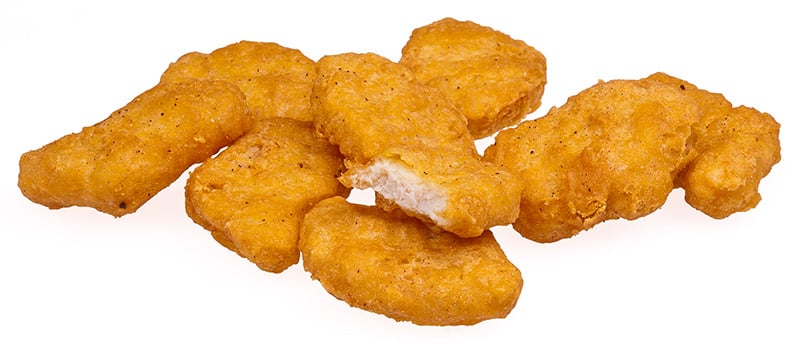
Photo credit McDonald’s
Manufactured foods have been significantly altered from their natural state using industrial processes. For example they don’t contain bones. A classic example is chicken nuggets, often made by taking chicken pieces and scraps left from the butchering process and combining them using an enzyme called transglutaminase (also called meat glue) to make them stick together. Another example: hot dogs often made with meat scaped off the bones by a machine.
The dangers of ultra-processed foods include high calories, textures designed for rapid eating, low fiber, additives that affect appetite and gut bacteria, replacement of real food if UPFs dominate the diet, and high sugar, salt, and fat content. Large studies consistently link diets high in UPFs to increased risk of obesity, type 2 diabetes, heart disease, and some cancers.
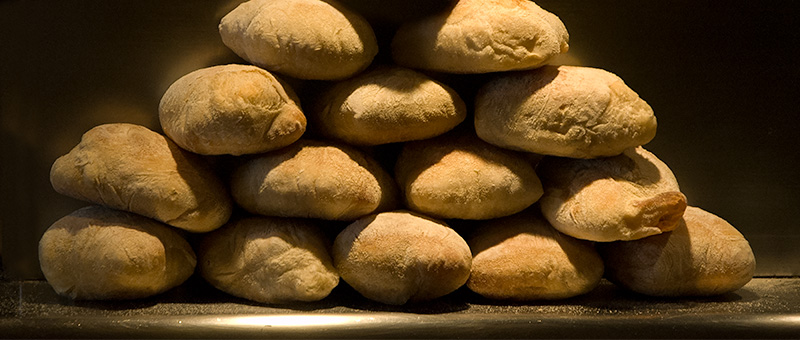
It is important to know that ultra-processed food is not poisonous nor is it all junk. Ultra-processed foods meet current basic food safety standards, although that may change, and some are healthy. Mass-market cheese, bread, and wine are ultra-processed because their production is complicated with many steps and significant alteration of the raw ingredients. Basic bread starts as a grain such as wheat that is dried, and then the outer bran is often removed, the grain is ground into flour and then mixed with a liquid, salt, and yeast, allowed to ferment, and then shaped and baked. Mass-market breads also tend to mix in some combination of dough conditioners, emulsifiers, enzymes, sugars, fats, flavors, and preservatives. It’s a very complex process with a lot of chemistry going on.
EXAMPLES OF ULTRA-PROCESSED AND MANUFACTURED FOOD. Faux burgers from Beyond Meat and Impossible Foods, chicken nuggets and hot dogs are obvious examples. So are soda and energy drinks, candy, chocolate, instant noodles, deli meats, most breakfast cereals, snack cakes, flavored chips and crackers. Some argue that most vinegars, wines, cheeses, and breads are made with significant processing so they fit the description. Please note that hamburgers aren’t ultra-processed because most are simply ground beef.
Bioengineered Foods (BE) and Genetically Modified Organisms (GMOs)
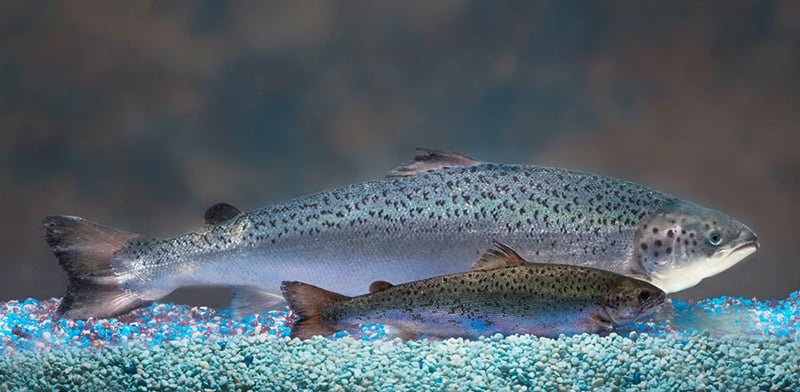
Photo credit AquaBounty Technologies
Bioengineered Foods (BE) or Genetically Modified Organisms (GMOs) are the most controversial and misunderstood food. They are plants, animals, or microbes whose DNA has been targeted and altered in a laboratory. With modern methods, scientists can add a gene (even from a different species), remove a gene, silence a gene, or tweak a gene’s activity. This is done to give the food a desired trait, such as resistance to pests, tolerance for herbicides, longer shelf life, improved nutrition, or improved taste.
In the US, many but not all BE foods must be so labeled, even though the vast majority of scientists agree based on current evidence that tested and approved BE foods are as safe as non-BE foods. However, the public is often fearful of them, calling them Frankenfoods or “fake food”. They appear on a lot of ingredient lists.
EXAMPLES OF BIOENGINEERED FOODS AND GENETICALLY MODIFIED ORGANISMS. In recent years the government approved AquAdvantage salmon from AquaBounty Technologies, a fish that has a growth hormone gene from Chinook salmon under the control of a sequence of DNA from another type of fish, the ocean pout. This allows the salmon to grow faster. The picture above shows a normal salmon in the front and an AquAdvantage salmon behind it.
Another famous BE is Golden Rice, engineered to produce beta-carotene to combat vitamin A deficiency and save lives, a common affliction in many third world countries. But it can’t gain approval because of fear of BE/GMOs.
Other examples include many varieties of sweet corn, some corn oils, soybeans and soybean products, some potatoes, some apples, some squash species, and some sugar beets. In addition, extracts from them are ingredients in other foods so that sugar made from BE sugar beets may appear in some foods and as a result the labels will probably say “Contains bioengineered food.” This is being contested.
Lab-Grown Foods
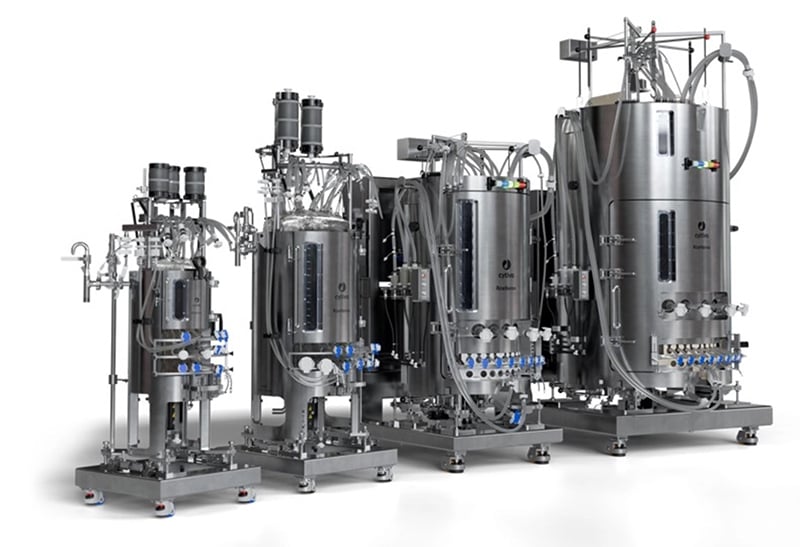
Photo credit Cytiva
Lab-grown foods are created by cultivating cells from an animal or plant in a controlled environment, usually tanks called bioreactors, to replicate natural products. They are not fake food because the molecules are often identical to natural foods. Lab-grown meats are in demand, but microorganisms are also used to make lab-grown egg whites, cheese, and ice cream.
Cultured (lab-grown) meat is real meat and cooks and tastes very much like meat from a slaughtered animal although it may be lacking some components such as fats. This type of meat is designed to reduce animal slaughter, greenhouse gases, land and water use, and to improve food safety (no fecal contamination, no antibiotics). All admirable goals, but at this time, lab-grown foods are very costly, the production methods don’t scale well, they use a lot of energy and water, and consumers are highly skeptical. They are still mostly experimental and few are made in commercial quantities.
EXAMPLES OF LAB-GROWN FOOD. Some beef, chicken, seafood, milk, cheese, egg whites, and even chocolate,
3D Printed Foods
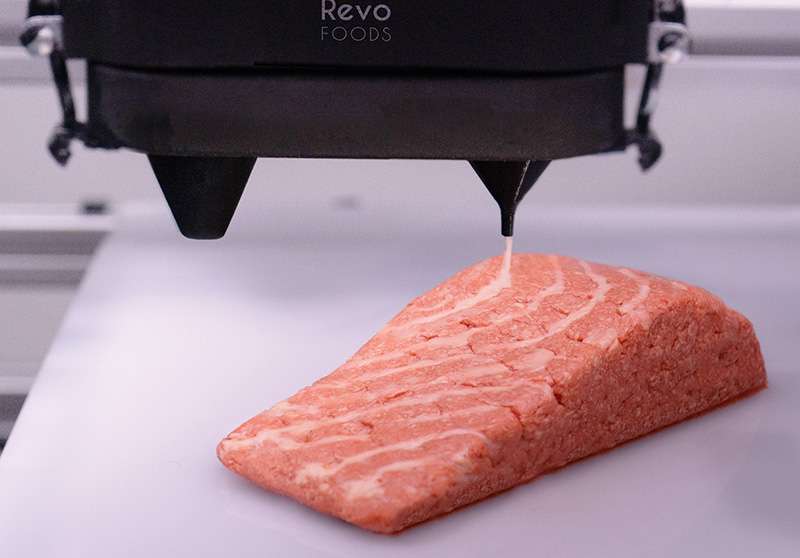
Photo credit Revo Foods
Some cultured meats like beef have been shaped and produced through 3D printing. Creating edible food layer-by-layer through a machine, 3D bioprinters work similar to the way 3D printers work for plastics. They start with food pastes, purées, or powders and squirt them through a nozzle in layers. 3D-printing food is about how food is shaped, not how it’s grown. The process is very slow and expensive. There are not many of these very expensive food printing machines at the time of this writing.
The printers offer design freedom so you can make shapes impossible by hand, consistency from batch to batch, automation, and personalized nutrition. In addition to cultured meat, some additional materials being experimented with include chocolate, frosting, cheese paste, mashed potatoes, peanut butter, hummus, cookie dough, and cake batter.
EXAMPLES OF 3D PRINTED FOOD. Personalized cakes, nutrient-tailored meals for hospitals & nursing homes, decorative pastry and dessert components, high-protein meals for astronauts & military, novelty foods in restaurants.
Conclusion
Humans have been manipulating food for millennia, starting with the first protohumans living in caves. Sometimes processed food is good for us. Sometimes it is not. There is a lot of debate over how our foods are grown and processed and people fling around accusations without really understanding what they mean. We often accuse foods of being fake or ultra-processed when they are not. And the internet is full of misinformation from people echoing myths. The result is that many of us are afraid of food. Hopefully this article helps us understand food more accurately so we can enjoy it. Please share it.

High quality websites are expensive to run. If you help us, we’ll pay you back bigtime with an ad-free experience and a lot of freebies!
Millions come to AmazingRibs.com every month for high quality tested recipes, tips on technique, science, mythbusting, product reviews, and inspiration. But it is expensive to run a website with more than 2,000 pages and we don’t have a big corporate partner to subsidize us.
Our most important source of sustenance is people who join our Pitmaster Club. But please don’t think of it as a donation. Members get MANY great benefits. We block all third-party ads, we give members free ebooks, magazines, interviews, webinars, more recipes, a monthly sweepstakes with prizes worth up to $2,000, discounts on products, and best of all a community of like-minded cooks free of flame wars. Click below to see all the benefits, take a free 30 day trial, and help keep this site alive.
Post comments and questions below
1) Please try the search box at the top of every page before you ask for help.
2) Try to post your question to the appropriate page.
3) Tell us everything we need to know to help such as the type of cooker and thermometer. Dial thermometers are often off by as much as 50°F so if you are not using a good digital thermometer we probably can’t help you with time and temp questions. Please read this article about thermometers.
4) If you are a member of the Pitmaster Club, your comments login is probably different.
5) Posts with links in them may not appear immediately.
Moderators