



In the beautiful Central Coast town of Santa Maria, there are big ranches, plenty of cattle, and an amazing cut of beef that’s made perfect in our grilled tri-tip recipe.
Originally settled by Mexican cowboys called vaqueros, Santa Maria has an international reputation for their local specialty, tri-tip steak, the unique grill they invented to cook it, and the clever way they carve it to make it tender. It has big beefy flavor and is very lean, so it can be on the chewy side if you don’t cook and slice it properly. But cook and slice it the way they do in Santa Maria, and you can have a piece almost as tender, and every bit as juicy as prime rib. I call this grilled tri-tip steak the Poor Man’s Filet Mignon.
Recipe Overview: Grilled Tri-Tip Recipe Success Formula
- Buy: 3-pound tri-tip roast.
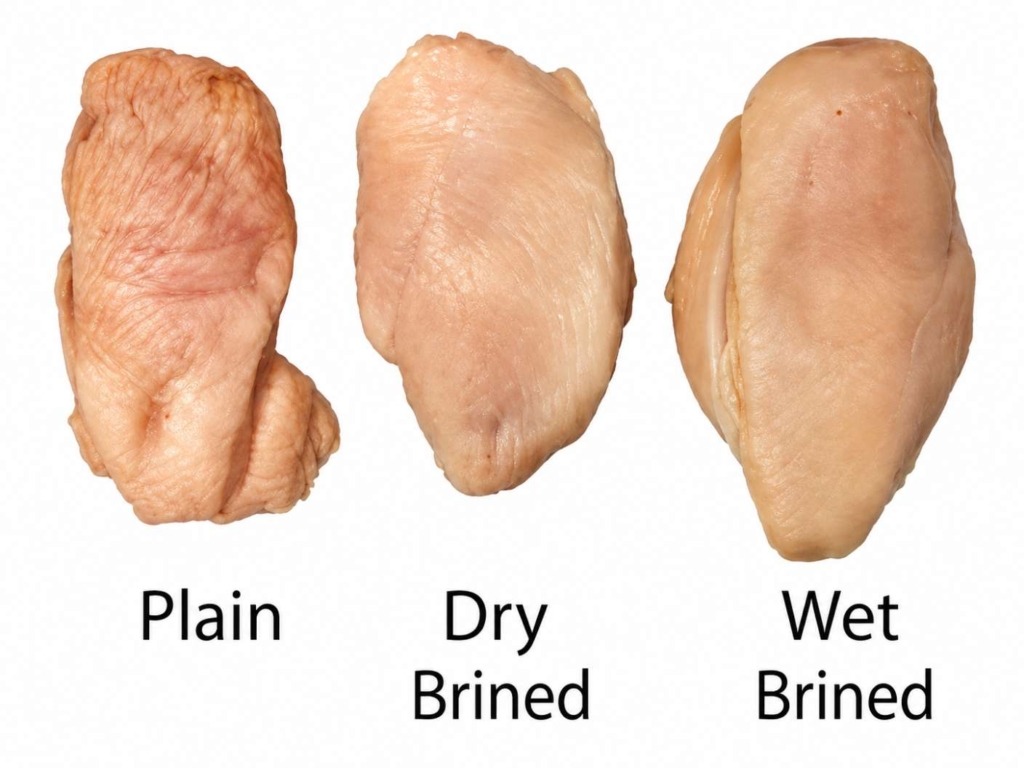
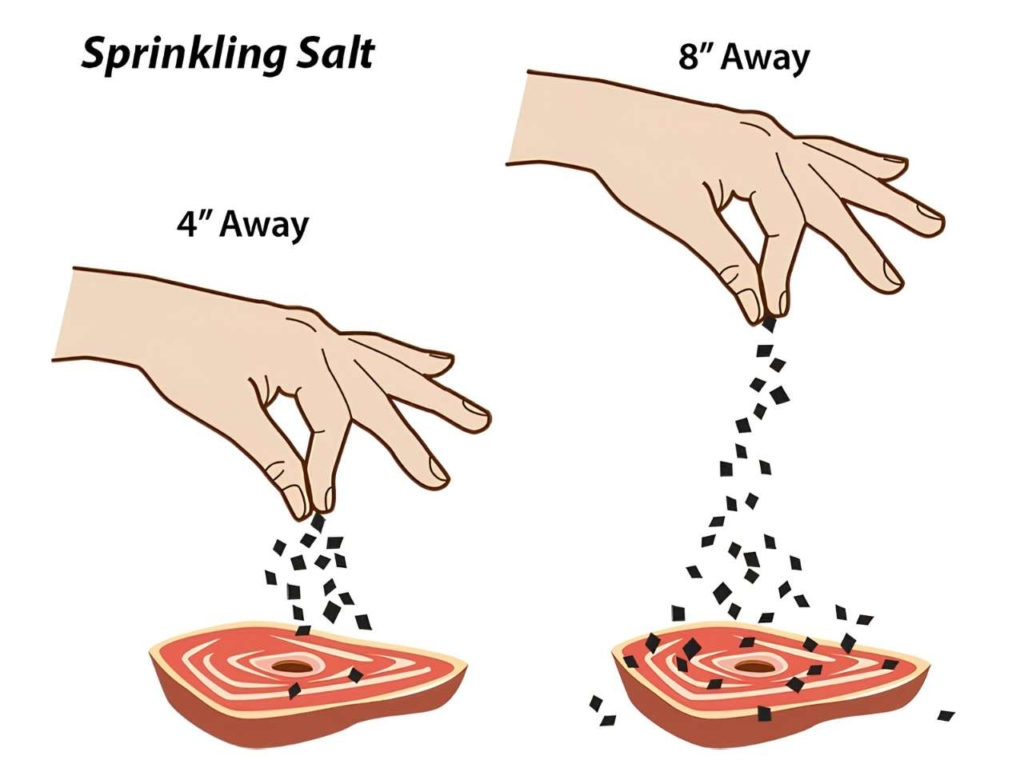
- Prep: the meat by patting it dry with paper towels. Sprinkle it with salt 2 to 3 hours before cooking it. This dry brining process will season the meat throughout.
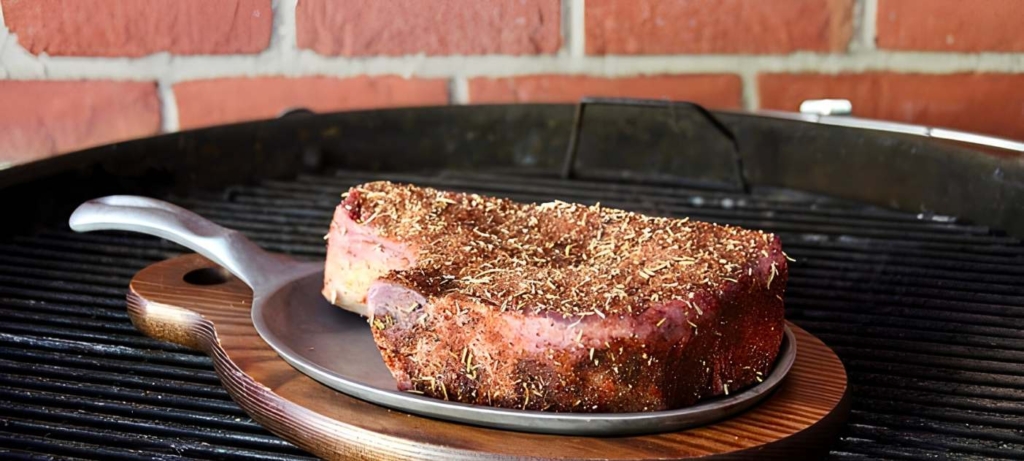
- Season: the meat with the spices just before cooking it. Massage it in.
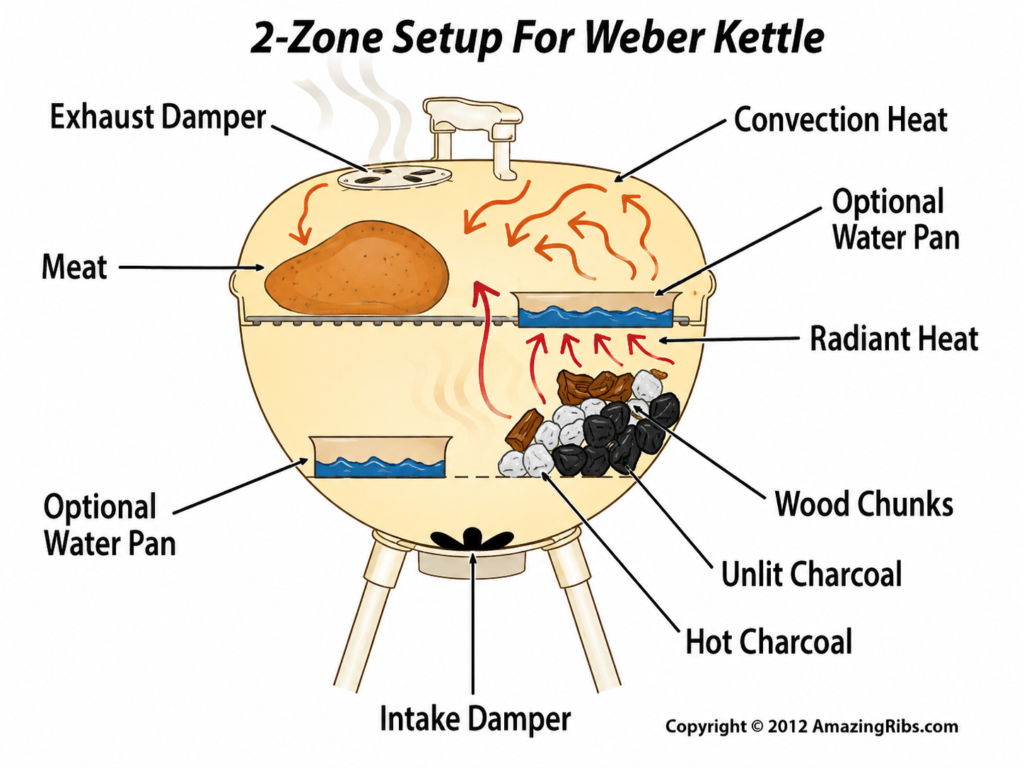
- Fire up: your grill or smoker and set it up for 2-zone cooking, with one side of the grill scorching hot and the other at 225°F to 250°F (107°C to 121.°C).
- Cook: put the meat on the indirect heat side of your grill with the thick end closer to the heat, close the lid, turn it every 20 minutes or so, and wait until the center hits about 110 to 115°F (43°C to 46°C), below your target temp.
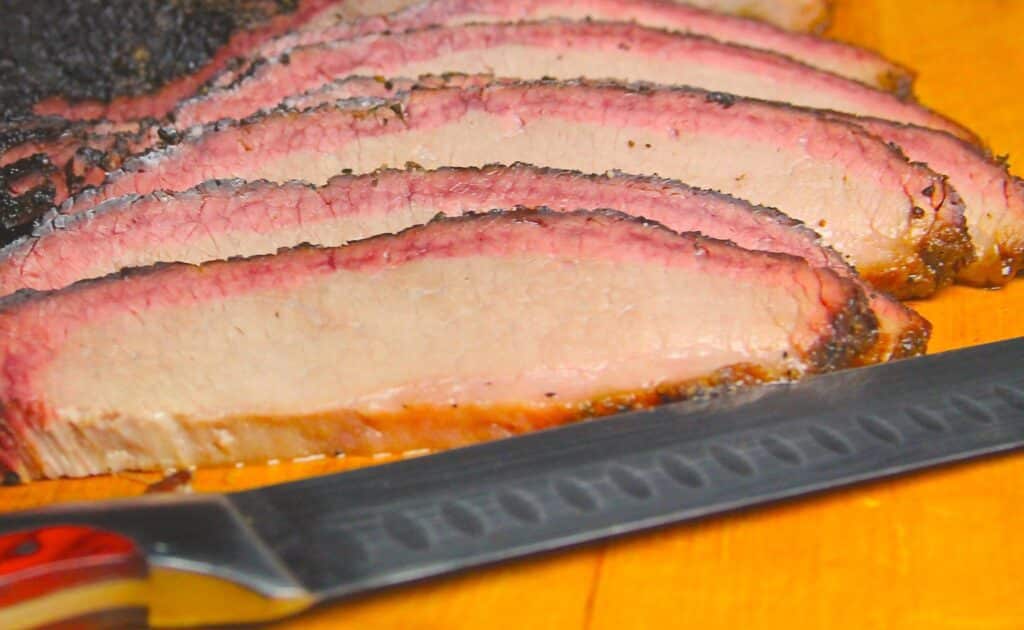
- Carve: Remove the tri-tip from the grill or smoker. Carve it using a board with deep valleys to catch the juices. Then, cut the muscle in half first. Then rotate each half and cut it from the tip to the cut end, across the grain.
- Serve by fanning the pieces out on a platter. Pour the juices on top and serve with grilled garlic bread to sop up the juices.
Summarize & Save this Content on:
The science behind our grilled tri-tip recipe
As the story goes, in the 1950s a Safeway butcher named Bob Schutz was overstocked on ground beef and stew meat. So, he took a curved muscle from the bottom sirloin usually destined for chopping or grinding, and put it on his store’s rotisserie. He and his staff were shocked by how flavorful and tender it was. He called it tri-tip and started promoting it as a barbecue meat. Nowadays, when you say barbecue in this beautiful slice of California, with beaches and mountains, you are talking tri-tip, not ribs or brisket.

Tri-tip is a crescent-shaped muscle from the bottom sirloin just in front of the hip. A typical tri-tip might be about 8″ (20cm) long, 3″ (8cm) wide in the center, and 3″ (8cm) thick in the center. It usually tapers at the ends, and weighs 1.5 to 2 pounds (680.4g to 907.2g). It is available in every grocery and butcher shop in Southern California, but it is hard to find elsewhere. If you don’t live on the left bank, your butcher should be able to special order it. Tell her it is the tensor fasciae latae muscle from the bottom sirloin, and it is number 185C in the NAMP book, the butcher’s bible.

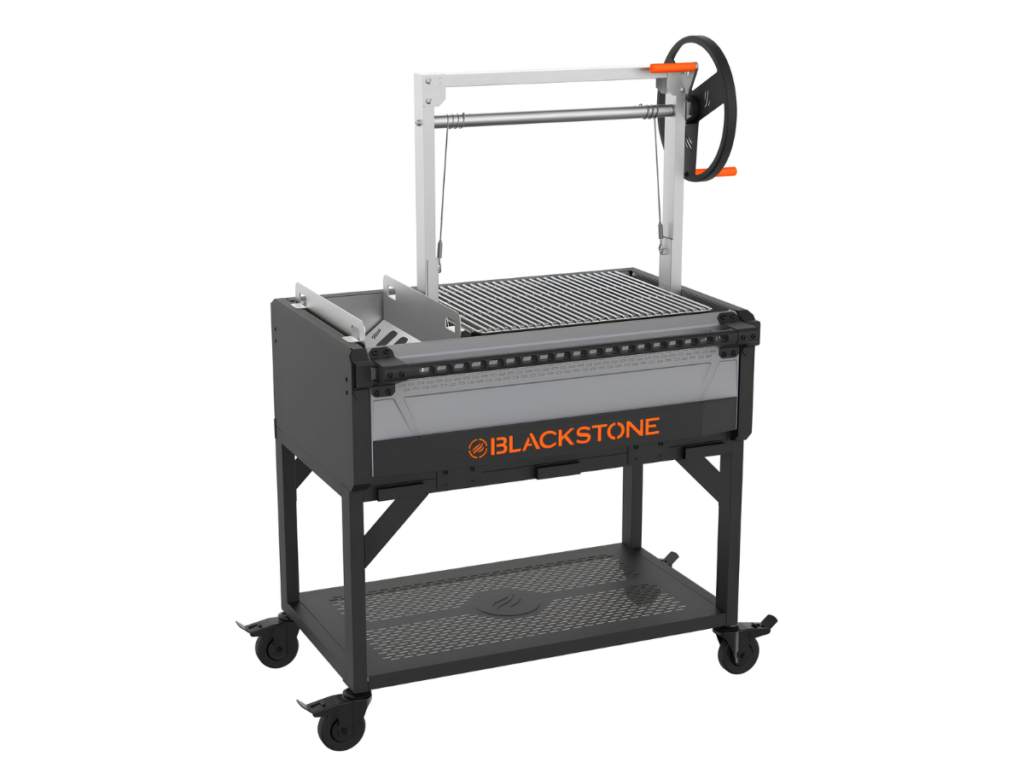
The Santa Maria style grill is perfect for this cut. It has a grate that can be raised or lowered with a wheel and pulley system so the grillmaster can control the heat on this thick hunk-o-flesh, crucial to get it done properly without burning it to a crisp. The model above is a large caterers rig and the small one below is from the Santa Maria BBQ Outfitters. The fuel of choice is Santa Maria is red oak logs.

Grilled tri-tip ingredients and substitutions
- Tri-tip roast, about 3 pounds in size, is the cut of choice. It’s a crescent-shaped muscle from the bottom sirloin just in front of the hip.
- Morton’s Coarse Kosher Salt works best in the dry brine. If you want to use regular table salt just remember you need to cut the amount back by half because it’s more concentrated. Check out my article about the science of salt.
- Black pepper is world’s most traded spice, beloved in cuisines around the world, and so named for its ability to perk up almost anything it touches. Here, you need coarsely ground black pepper because it helps produce a more textured crust. You can use powdered black pepper instead if that’s all you’ve got.
- Garlic powder is basically dehydrated garlic cloves ground into a powder. People love garlic, and science can explain garlic‘s amazingness. If you or someone you’re cooking for can’t do garlic, swap it for onion powder.
- Paprika adds a bit of sweetness and a tinge of heat. Here, we’re using American paprika. In this recipe, it adds rich red color and a subtle, sweet, peppery background note.
Grilled tri-tip recipe, step by step
- Pat the meat dry with paper towels. Salt it 2 to 3 hours before you are going to cook it. This is your dry brine step.
- Right before cooking, sprinkle it with spices in roughly equal amounts, and rub it in. Don’t worry about adding too much seasoning.
- Set up your grill for 2-zone cooking with one side of your grill scorching hot and the other about 225°F to 250°F (107°C to 121.°C).
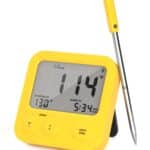
- First, put the meat on the indirect heat side of your grill with the thick end closer to the heat, close the lid, turn it every 20 minutes or so, and wait until the center hits about 110 to 115°F (43°C to 46°C), below your target temp. This can take 30 to 45 minutes. Use an instant-read thermometer.
- Then, move over direct high heat for about 5 minutes per side or until it gets a nice dark even sear. I like to take it up to about 130°F (54°C) for medium rare.
- Remove the tri-tip and set it on a carving board with deep channels to catch all the juices.

- Cut the muscle in half first, and then rotate each half and cut it from the tip to the cut end, across the grain in 3/8 to 1/2″ slices.

- Finally, fan the slices on a platter and pour the juices on top. Serve with grilled garlic bread. Store any leftovers (juices included) in a covered container and make sandwiches out of them.
Grilled tri-tip recipe, step by step
- Pat the meat dry with paper towels. Salt it 2 to 3 hours before you are going to cook it. This is your dry brine step.
- Right before cooking, sprinkle it with spices in roughly equal amounts, and rub it in. Don’t worry about seasoning it too much.
- Set up your grill for 2-zone cooking with one side of your grill scorching hot and the other about 225°F to 250°F (107°C to 121.°C).
- First, put the meat on the indirect heat side of your grill with the thick end closer to the heat, close the lid, turn it every 20 minutes or so, and wait until the center hits about 110 to 115°F (43°C to 46°C), below your target temp. This can take 30 to 45 minutes. Use an instant-read thermometer.
- Then, move over direct high heat for about 5 minutes per side or until it gets a nice dark even sear. I like to take it up to about 130°F (54°C) for medium rare.
- Remove the tri-tip and set it on a carving board with deep channels to catch all the juices.
- Cut the muscle in half first.
- Then, rotate each half and cut it from the tip to the cut end, across the grain in 3/8 to 1/2″ slices. Cutting across the grain will make it easier to chew.

- The top slice is cut properly across the grain. It will be easier to chew. The bottom slice is cut with the grain. It will be stringier and harder to chew.

- Fan the slices on a platter and pour the juices on top. Serve with grilled garlic bread. Store any leftovers, juices included, in a covered container in the fridge. Make sandwiches out of them.
Grilled tri-tip recipe FAQs
Yes, 100 percent yes. It’s juicy and meaty, and has excellent flavor. You almost always take it off the grill when it’s medium rare, because that’s the temp at which it’s most tender.
I don’t, but that doesn’t mean you can’t. I just think a good dry brining sets it up well for time in the smoker or on the grill. The seasonings we use are basic but perfect.
The meat is prepped with minimal seasoning, typically just salt, pepper, and garlic powder, and served without sauce, so the big beefy flavor reigns.
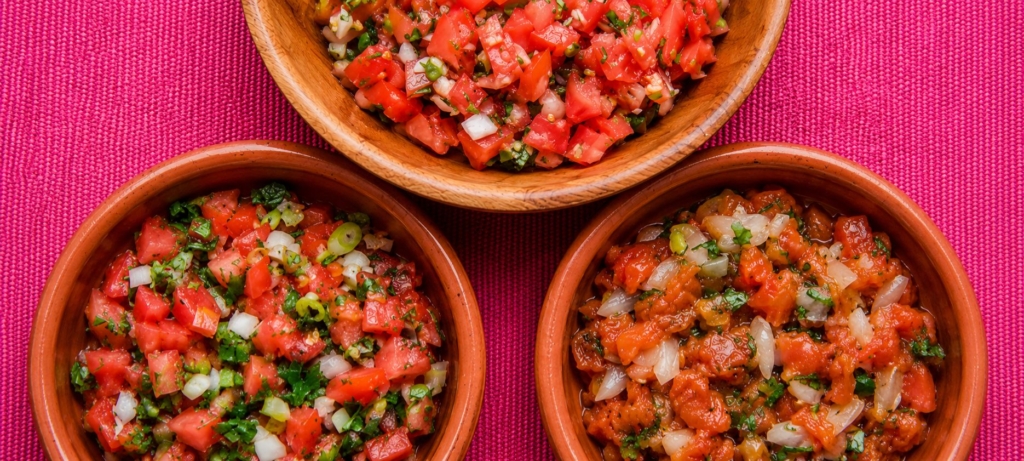
Tri-tip is best when ccompanied by grill-toasted bread to mop up the juices, a salsa, pinquito beans, macaroni and cheese, and salad.
If you like this grilled tri-tip recipe, you’ll love . . .
- Reuben Reimagined: The Corned Beef St. Patty’s Day Melt
- Brat Burgers with Beer Cheese Sauce, a Taste of Wisconsin
- Classic Chicago Italian Beef Sandwich Recipe As Seen on Hulu’s “The Bear”
- Authentic Pit Roast Beef Done Right In Your Own Backyard
- Smoked Pastrami That’s Close to Katz’s


Smoked Tri Tip Beef Roast Recipe
Ingredients
Method
- Prep. Pat the meat dry with paper towels. Two to three hours before cooking, sprinkle it with salt, no more than you would if you were served the cooked meat. This dry brining will dissolve and get pulled into the meat and season it throughout. You can dry brine the night before if you wish.
- Just before cooking, sprinkle it with the spices, roughly equal amounts, and massage it in. Don’t worry about over-seasoning. When you’re done you’re going to cut it into thin slices so each slice will have only a small lip of flavorful crust.
- Fire up. Set up your grill for 2-zone cooking with one side of your grill scorching hot and the other about 225°F to 250°F (107°C to 121.°C)
- Cook. Because this is a thick hunk of flesh, we can't put it close to high heat or the exterior will carbonize long before the center even warms. In Santa Maria, where the grills have a built-in elevator, they raise the meat up and flip it frequently during a cook that typically lasts as long as an hour. Unless you have a Santa Maria style grill (I have a Hasty Bake oven that is perfect for tri-tip because it cranks up and down like a Santa Maria grill), first put the meat on the indirect heat side of your grill with the thick end closer to the heat, close the lid, turn it every 20 minutes or so, and wait until the center hits about 110 to 115°F (43°C to 46°C), below your target temp. This can take 30 to 45 minutes, but use a good digital instant=read thermometer to get the temp right, especially if you are not experienced with this cut. Then move over direct high heat for about 5 minutes per side or until it gets a nice dark even sear. I like to take at about 130°F (54°C) for medium rare. I know this is different from how they do it in Santa Maria where they sear the meat first. But my method is better. You will get a more even color through the meat if you sear in the rear.
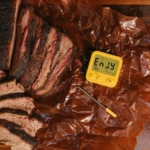
- Remove the tri-tip from the grill. Now here's the trick to carving it. Begin with a carving board that has deep valleys cut into it or else the juice will run away from you. You will not believe how wet this is if cooked medium rare or less.
- Cut the muscle in half first.
- Then rotate each half and cut it from the tip to the cut end, across the grain, in 3/8 to 1/2" (9.5mm to 12.7mm) slices. Cutting across the grain insures that it will be easier to chew.
- The top slice is cut properly across the grain. It will be easier to chew. The bottom slice is cut with the grain. It will be stringier and harder to chew.
- Serve. Fan the slices on a platter, pour the juices on top, and serve with grilled garlic bread to sop up the juices. If there are any leftovers, store it and the juices, and it makes great sandwiches.
Before you can post a comment or question you must sign into our commenting partner, Disqus. This helps make sure everyone hanging around the grill is civil. We do not tolerate nastiness, racism, porn, inappropriate language, or attacks on others. All comments are the property of AmazingRibs.com and we reserve the right to quote them, edit them, delete them, and block people from making future comments.
Please leave comments and questions on the same page that is devoted to that subject so others can see questions and our answers when they are reading about the subject. You must enable JavaScript to use the comments section, and you must accept cookies to post comments. Note: the software that runs Disqus is different from the Pitmaster Club, so members need to sign into the Pitmaster Club separately.