



This Simon and Garfunkel rub, otherwise known as my parsley, sage, rosemary and thyme rub recipe, pairs perfectly with chicken, turkey, potatoes, asparagus, eggs, and more.
Poultry loves herbs so I make up a big batch of my Simon and Garfunkel rub, store it for months, and sprinkle it on everything in sight.
Recipe Overview: Simon and Garfunkel Rub Success Formula
- Measure: Take all of the ingredients and measure them. Some herbs may be powdered and others may be crushed. Some herbs may have more chunks in them and take up more air. It’s ok if your measurements are a bit imprecise.
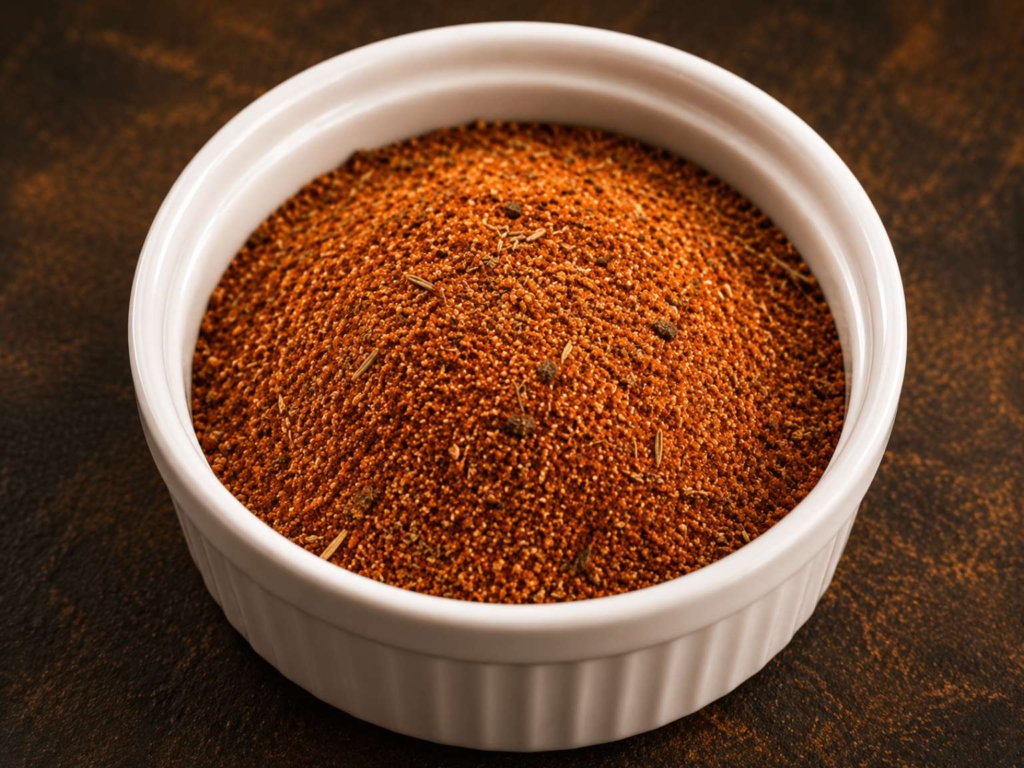
- Blend: the ingredients in a high-speed blender or food processor and run it on medium for a few seconds. Or pulse in a food processor. Turn it off, and then run it again. Pulse until you have a powder.
- Store: Transfer the rub to a jar and label it.
- Use: On unbrined/unsalted food, sprinkle the food (chicken, potatoes, veggies, etc.) with salt, coat food lightly with water and liberally sprinkle the rub on it.
- Grill, smoke, or roast. In addition to chicken or pork, this rub is great on roasted potatoes and grilled asparagus.
Summarize & Save this Content on:
The science behind our Simon and Garfunkel rub recipe
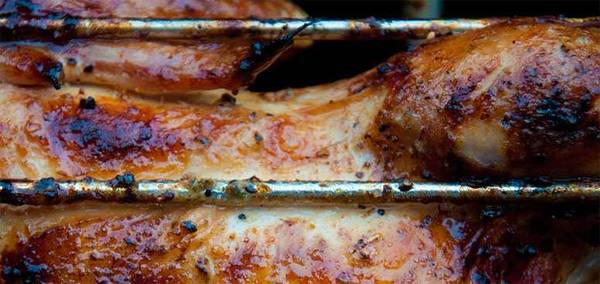
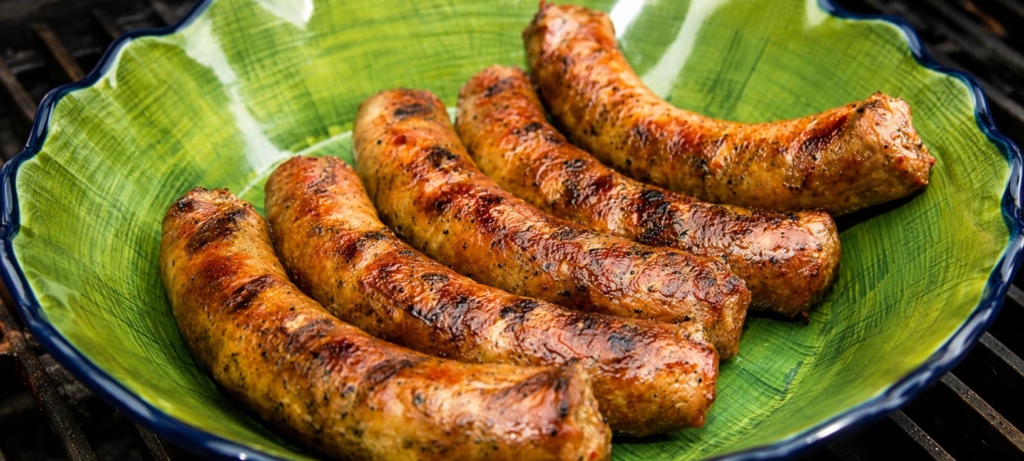
How’d this recipe get its name? In 1966, Paul Simon and Art Garfunkel popularized their modified version of a haunting 16th-century English canticle on their album named “Parsley, Sage, Rosemary and Thyme.” The name comes from the song “Scarborough Fair” and the tale of a young man seeking love. We do not know if he knew much about women (we think not), but he clearly knew something about cooking. Parsley, sage, rosemary, and thyme are said to represent bitterness, strength, faithfulness, and courage, and they also make a pretty good all-purpose poultry seasoning recipe. (This is my recipe for Simon & Garfunkel Chicken, pictured below, but it also is an ingredient in my Chicken Sausage recipe).

As background for this Simon & Garfunkel rub recipe, please read my article on the Science of Rubs. It’s also a good idea to spend a few minutes with the Science of Herbs and Spices explainer, too.
You can also use any of my amazing BBQ rubs, for example, in snacks like Roasted Nuts and Snack Mix recipe. Just keep in mind that in those cases you’ll need to add some salt.
Since there is no salt in this recipe, because our rub recipes don’t have salt, salting the meat first is a must. This process is called dry brining. Salt will penetrate deep into meat so you should get it on in advance, perhaps overnight. The rest of the spices and herbs cannot penetrate very deeply. So, the rub can go on anytime, even just before you start cooking. The general rule of thumb is 1/2 teaspoon Morton Coarse Kosher Salt per pound (453.6 grams) of meat (don’t include bone, and ribs are about half bone).
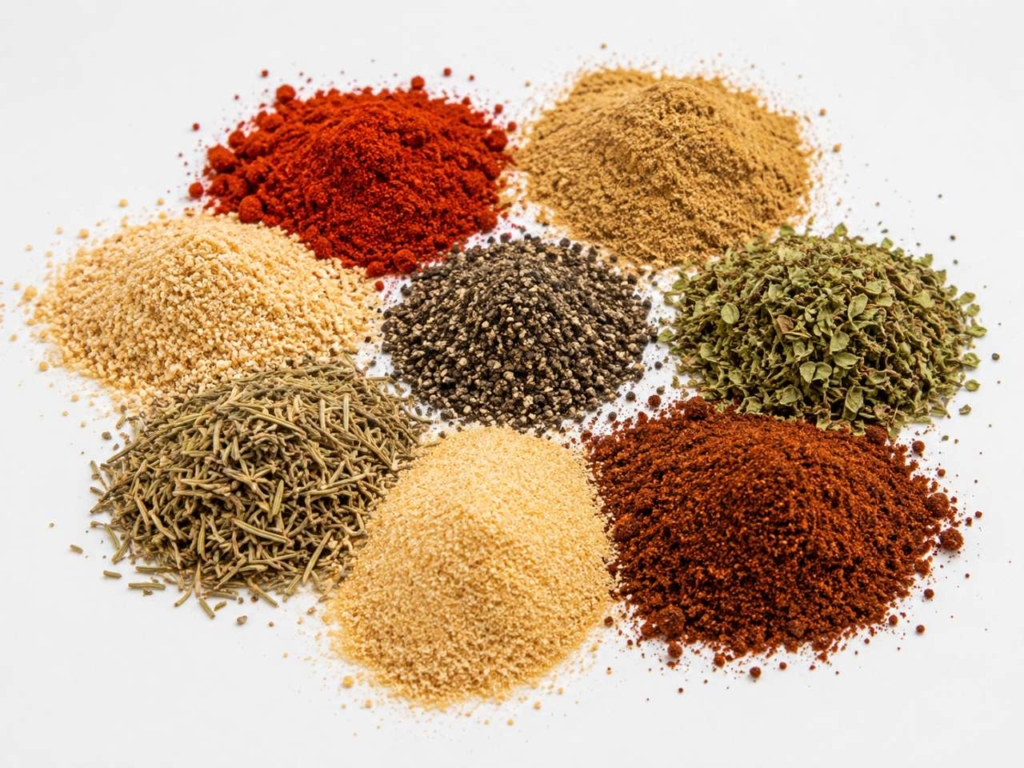
Ingredients and substitutions for Simon and Garfunkel rub
- Dried crushed parsley gives this rub a mild grassy flavor that just runs in the background.
- Dried crushed sage is sometimes referred to or packaged as rubbed sage. It’s fluffy and mixes well with other dried herbs. It also lends a gentle piney sweetness to a rub, and tends to be less bitter than straight-up dried sage.
- Dried crushed rosemary is one of the most important herbs in this rub. It is a perennial favorite with poultry. It’s piney, woodsy, but also a little sweet.
- Dried crushed thyme is a superstar when it comes to rubs, and it’s one of my favorite herbs. It can offer a savory depth and slightly floral aroma and its essential oils withstands high cooking temperatures.
- Dried crushed oregano tends to have a lot of air in it, and you can usually tell when you start to measure it whether you’ll need to add more or less. Oregano adds a pungent sharpness.
- Dried crushed basil is both a little sweet with a smidge of mintiness.
- Bay leaves can be crushed if you can’t find them sold already crushed. You can just use your hands to crush ’em.
- Ground black pepper is one of the world’s most traded spice, beloved in cuisines around the world, and so named for its ability to perk up almost anything it touches. It gives this rub a little heat, but not much. Feel free to adjust as desired. I used to include dried crushed hot red pepper, but have decided I like it better without it
- Sugar has a job to do here and it’s not about making things sweet. It helps to balance out flavor and helps meat retain moisture.
Simon and Garfunkel rub, step by step
- Measure all of the ingredients and dump them into a high-speed blender or food processor.
- Put the lid on the blender, and run it for a few seconds at medium speed. Turn it off, and repeat this process until you have a fine powder.
- If using a food processor, pulse the ingredients until you have a fine powder.
- Dump it all into a jar and label it.
- If you’re using it on unbrined chicken, then sprinkle your food with salt, 1/2 teaspoon per pound. (If it’s brined, skip the salt).
- Lightly coat your chicken, asparagus, or potatoes or other veg with water to help the ingredients dissolve better.
- Rest the meat in the fridge for an hour or three
- Grill, smoke, or roast your food.
Simon and Garfunkel rub recipe FAQs
You can cook chicken right away after applying a rub. However, letting it sit on the chicken at room temperature for 15 to 30 minutes helps the herbs and spices stick to the chicken. You can, however, let it go even longer, whether it’s an hour or up to overnight. Just cover it and refrigerate it.
It’s easy to miss spots of the meat when applying a dry rub, so make sure you’re doing a thorough but even job. You don’t want clumps of seasoning.
You can, but just keep it to a very thin layer. It’s not totally necessary. If you’re leaving meat a bit wet, that’s a better move.
If you like our Simon and Garfunkel rub, you’ll love . . .
- Homemade Smoked Almonds With Simon and Garfunkel Rub
- Get a Taste of N’Awlins With This Cajun Seasoning Rub Recipe
- Big Bad Beef Dry Rub Recipe
- A Cluckin’ Great Poultry Seasoning Recipe
- Chicken Sausage Recipe With Scarborough Fair Rub
Our Simon & Garfunkel rub recipe
Up your game: Join our Pitmaster Club. Try it out for free for 30 days. No credit card is needed. No spam. Join now and Be Amazing!

Simon & Garfunkel Rub Recipe
Makes
About 2/3 cup (634.1 ml)Ingredients
Method
- Measure everything and dump it into a blender; see "Measuring" note about the bay leaves. Put the lid on the blender (very important), and run it on medium for a few seconds, turn it off, and run it again. Continue pulsing about until you have a powder. Dump the whole thing in a jar and label it.
- How to use this stuff. If the food has not been been brined, then sprinkle with salt, ½ teaspoon per pound. If it has been brined, then skip the salt. Lightly coat your chicken or potatoes or asparagus or whatever with water (the ingredients dissolve better in water than oil), sprinkle on the rub liberally, even if you are a conservative. If time permits, let the seasoned meat sit in the fridge for an hour or three.
- Grill, smoke, or roast.


Before you can post a comment or question you must sign into our commenting partner, Disqus. This helps make sure everyone hanging around the grill is civil. We do not tolerate nastiness, racism, porn, inappropriate language, or attacks on others. All comments are the property of AmazingRibs.com and we reserve the right to quote them, edit them, delete them, and block people from making future comments.
Please leave comments and questions on the same page that is devoted to that subject so others can see questions and our answers when they are reading about the subject. You must enable JavaScript to use the comments section, and you must accept cookies to post comments. Note: the software that runs Disqus is different from the Pitmaster Club, so members need to sign into the Pitmaster Club separately.