



While most marinades fall short when it comes to delivering flavor deep inside beef, pork, and poultry, these injection recipes really get the job done.
First of all, mix your injection in a non-reactive container.
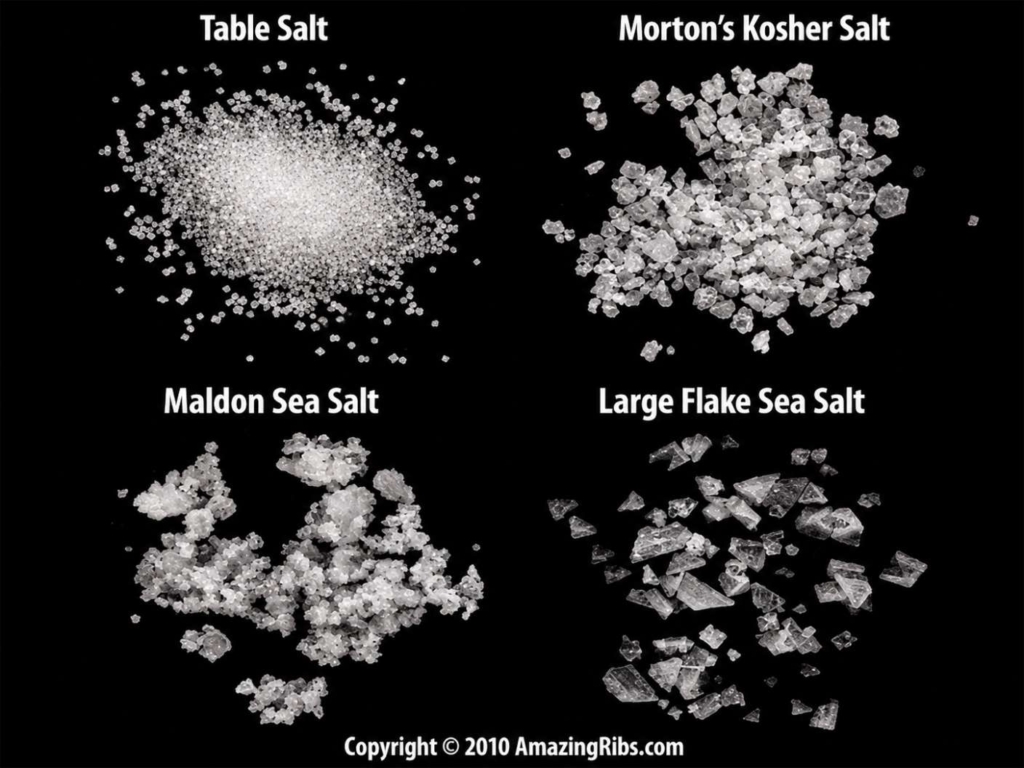
When I inject I shoot for a brine that is about 2 to 4% salt by weight. I use Morton Coarse Kosher Salt. Remember, it is a different salinity than table salt or most other salts, even other kosher salts. It will diffuse to a lower concentration within the meat, enough to enhance flavor and bind water, but not enough to give the meat a cured flavor. Here is the math: Morton Coarse Kosher Salt weighs 15 grams/Tablespoon. The recipes below call for 2 Tablespoons Morton Coarse Kosher Salt or 30 grams total. 1 quart of water weighs 944 grams. 30/944 = 3.2%. Note that the Worcestershire has salt in it, so the final injection is probably closer to 3.5%.
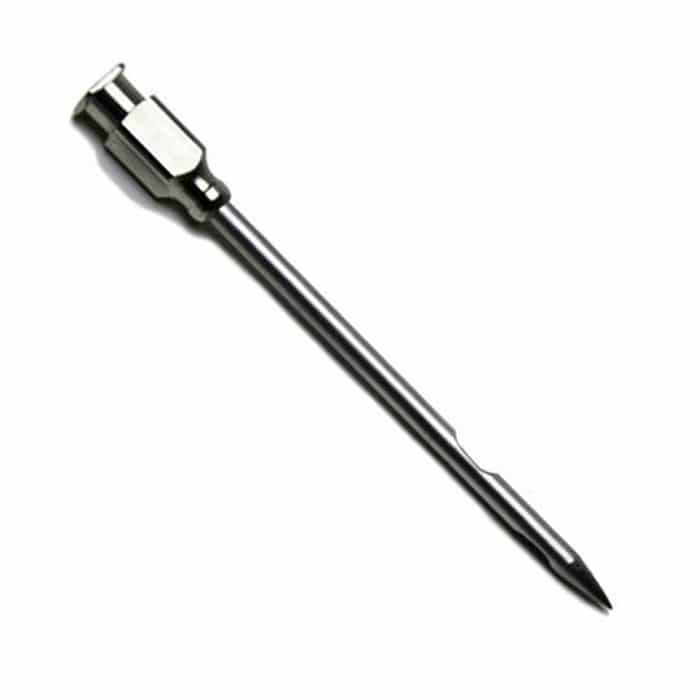
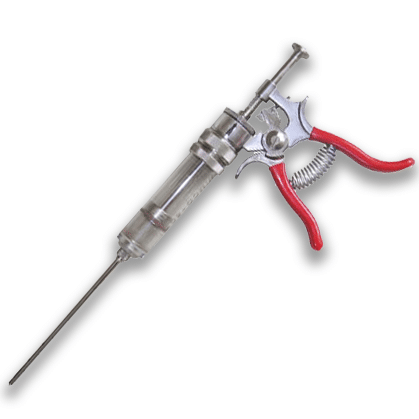
If I add flavor, I try not to go crazy. You can add oils, herbs, spices, sweeteners, syrups, sauces, stocks, broths, colorings, pretty much anything. Fresh papaya or pineapple juice (not canned or bottled) have enzymes that tenderize. But be thoughtful. Do you really want your turkey to taste like Dr. Pepper? If you use herbs or spices, grind them fine. Don’t use dark liquids like soy sauce or Worcestershire on light colored meats like chicken or turkey. Don’t go crazy with sweeteners. Here are the recipes I use. To inject, we like heavy duty reusable injectors such as this Spitjack 2-ounce Injector Gun.

Basic Brine Recipe For Injectors
Ingredients
Method
- Prep. Mix all the ingredients in a bottle and shake vigorously before injecting. Pour into a narrow container so you can suck fluid in through the needle. In a wide bowl it is hard to get the holes below the water line and you then need to unscrew the top, pour it into the syringes, spill it everywhere, screw on the top, inject, and repeat. I bought a V-shaped flower vase for the job.
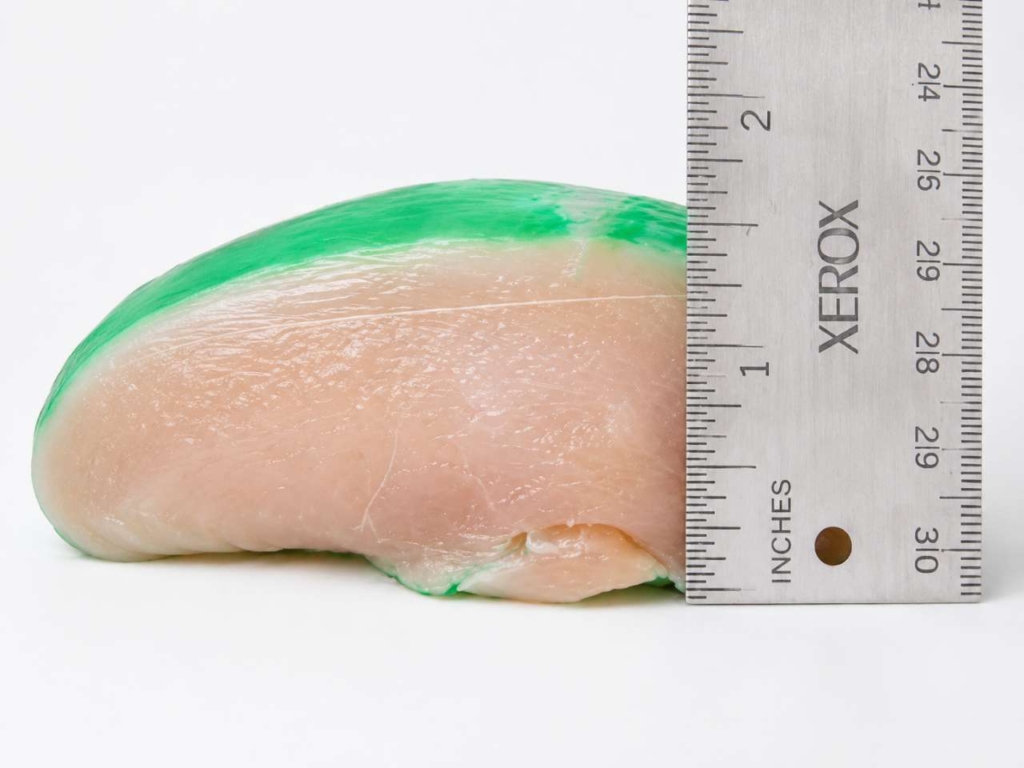
- Inject. Insert the needle and go all the way to the center. Press the plunger slowly and ease the needle out. Insert the needle about every 1.5" (38.1 mm) apart and leave behind about 1 ounce (30 mL) per pound (453.6 grams). A little liquid will follow the needle out of the hole, but if it comes spurting out, use less pressure. We want to avoid pockets of liquid.
- Cook. You can cook right away, but if you let the meat rest for an hour or more, even overnight, the injection will disperse more evenly through the meat. Then dry the surface with a paper towel and apply your rub and cook.
Before you can post a comment or question you must sign into our commenting partner, Disqus. This helps make sure everyone hanging around the grill is civil. We do not tolerate nastiness, racism, porn, inappropriate language, or attacks on others. All comments are the property of AmazingRibs.com and we reserve the right to quote them, edit them, delete them, and block people from making future comments.
Please leave comments and questions on the same page that is devoted to that subject so others can see questions and our answers when they are reading about the subject. You must enable JavaScript to use the comments section, and you must accept cookies to post comments. Note: the software that runs Disqus is different from the Pitmaster Club, so members need to sign into the Pitmaster Club separately.