



This flavorful Memphis Dust rub recipe is the best and only backyard seasoning you’ll ever need!
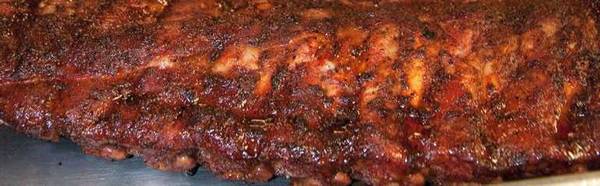
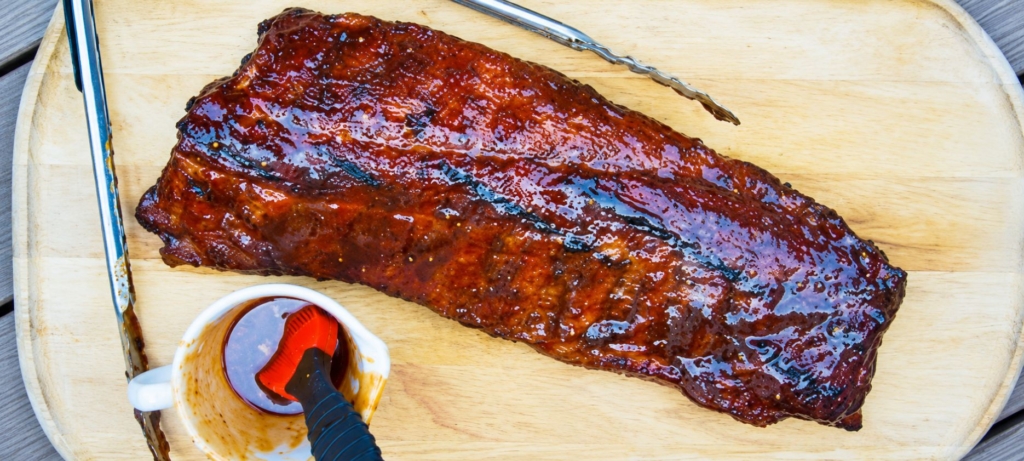
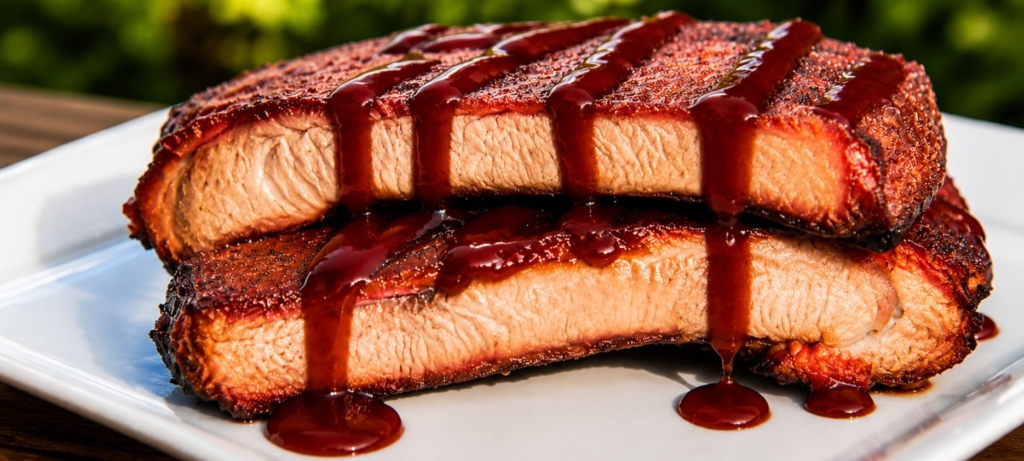
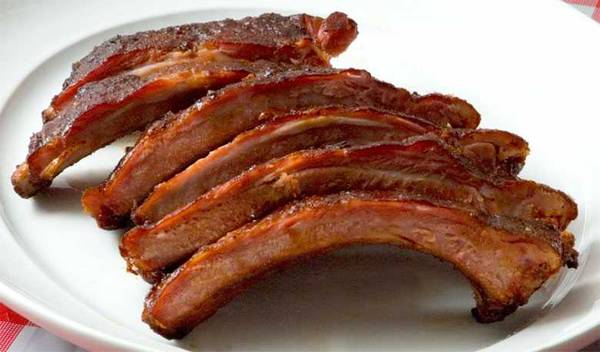
If you’ve ever enjoyed true Memphis barbecue at world famous joints like Paynes, Cozy Corner, Rendezvous, or the Bar-B-Q Shop then you know that the “go-to” dish is Memphis dry rubbed ribs. Unlike BBQ ribs in other parts of the country that are slathered in sauce, Memphis pitmasters dress ribs with nothing more than a flavorful spice blend that lets the perfectly smoked meat shine through. Or as the rack of ribs once said to Elvis Presley: Rub Me Tender, Rub Me True! (click here to share this pearl of wisdom!).
Recipe Overview: Memphis Dry Rub Recipe Success Formula
- Grind: the rosemary leaves into a powder.
- Mix: the ingredients together in a bowl. Use your fingers or a fork if the sugar is clumpy.
- Transfer: the rub in a jar. You can use it right away.
- Store: at room temperature. It’ll keep for months.
Summarize & Save this Content on:
The science behind our Memphis dry rub recipe
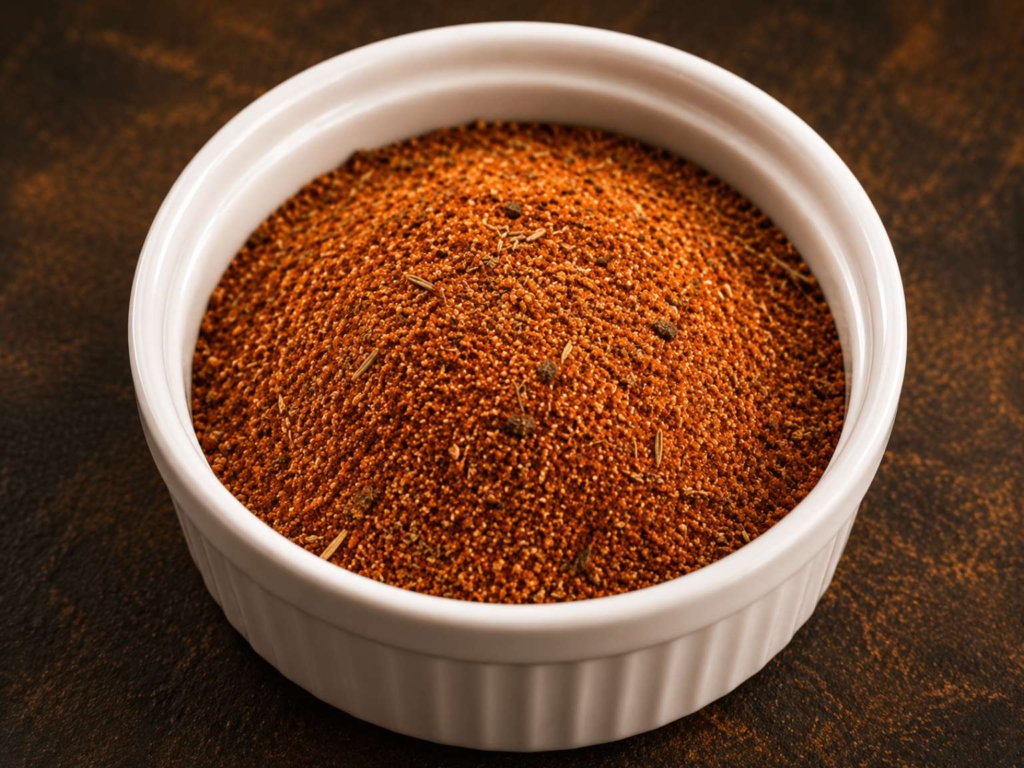
There are scores of commercial BBQ rubs on the market, but this Memphis dust rub recipe is the only Memphis-style BBQ rib rub for smoking that you’ll ever need! The best part about it is the fact that it’s not only extremely easy to make but you can add or subtract ingredients to suit your taste. In Memphis, they season the meat with the BBQ seasoning before smoking. Then, they apply a second light coating just before serving. That’s what makes Memphis dry-rubbed ribs different from Kansas City style saucy ribs.
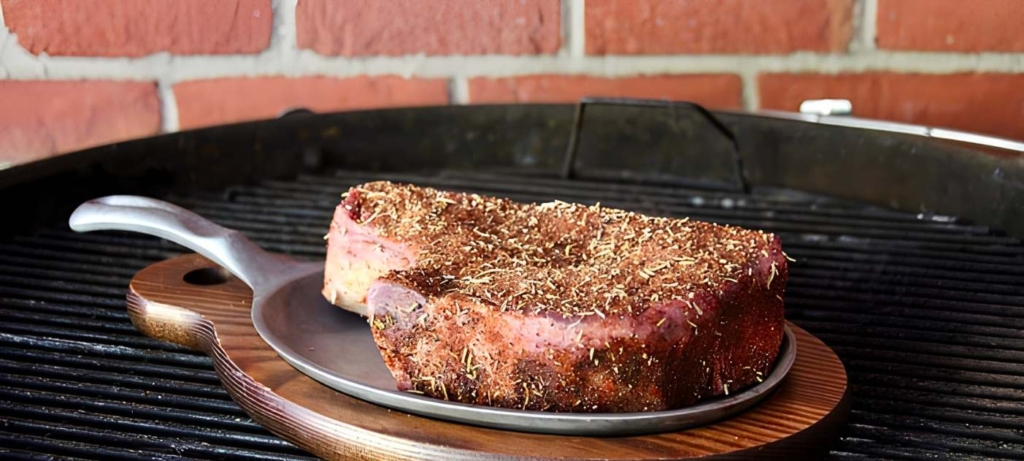
So why do barbecue rubs make smoked meats so flavorful? The science of rubs is that a reaction between the rub and the surface that helps form a nice crust, called BBQ bark. This great all purpose pork rub recipe is carefully formulated to add flavor, color, and a proper crust to the meat after it is done cooking low-and-slow. It’s so good that several competition teams use it.
And when you’re asked “What’s your secret?,” you can answer as the pros do. Just say “It’s my rub, man.” Of course if you like your pork “wet” (with sauce), seasoning the meat well with the BBQ dry rub before cooking then lightly brushing with sauce during the last few minutes of the smoking process is the way to get it done.
Since there is no salt in this Memphis dust rub recipe, salting the meat first is a must. This process is called dry brining. Salt will penetrate deep into meat so you should get it on in advance, perhaps overnight. The rest of the spices and herbs cannot penetrate very deep. So, the rub can go on anytime, even just before you start cooking. The general rule of thumb is 1/2 teaspoon Morton Coarse Kosher Salt per pound/453.6 grams of meat. (Don’t include bone, and ribs are about half bone).
Ingredients and substitutions for Memphis dry rub recipe
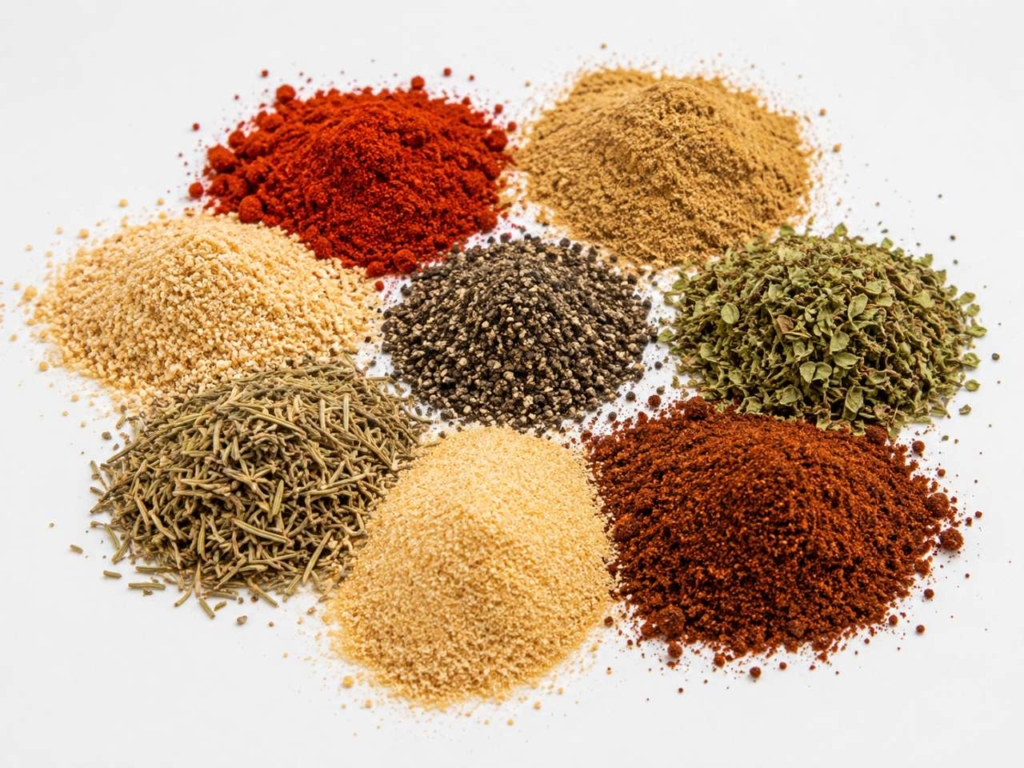
- Brown sugar is sweet, of course. But it also contains molasses, which brings more complex savory flavors. Both light and dark brown sugar work fine (dark has slightly more molasses.) You could also use turbinado sugar, raw sugar, or coconut sugar.
- White sugar brings sweetness too. When these sugars are heated on ribs, they melt and caramelize, creating complex flavors reminiscent of butterscotch. Click here find out what is caramelization.
- Paprika adds to the gorgeous red color of barbecued ribs and lends its mild peppery flavor to the profile. If you want super smoky ribs, use smoked paprika.
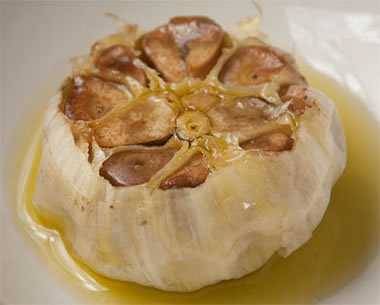
- Garlic powder brings the unmistakable flavors of garlic to the party. These include pungency and earthiness with a mild sulfur aroma that becomes sweet and nutty when mellowed by heat. Granulated garlic is coarser than the powder, more like cornmeal. Because the grains are larger, use twice as much granulated garlic when substituting it for garlic powder.
- Black pepper is the world’s most traded spice, beloved in cuisines from Asia to America and Europe to Russia, and so named for its ability to perk up almost anything it touches. If you want a thicker more textured crust on your rubs, use coarsely ground black pepper. Or use powdered black pepper if you want a smoother texture on the surface of the meat.
- Ginger powder is my secret ingredient. It might surprise you to see it in a BBQ rub for American style ribs, but the truth is that ginger has a naturally affinity for pork. The Chinese figured that out centuries ago, and if you leave it out, you’ll miss out on the sweet, spicy, cooling effect that this unique root offers.
- Onion powder rounds out the flavor profile with its mildly pungent taste. As with garlic powder, if you replace the onion powder with granulated onion, use up to twice as much to account for the difference in volume.
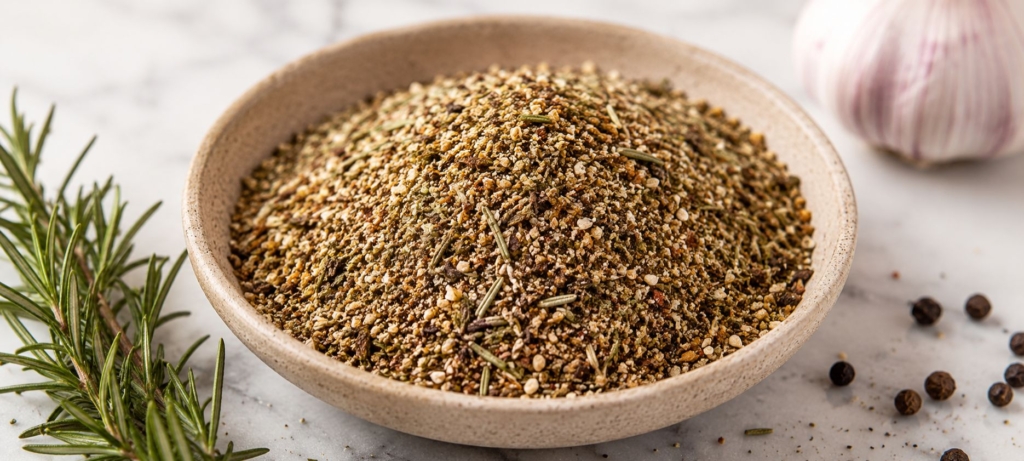
- Rosemary may be another surprise to you. Just a touch provides a piney, resinous undercurrent to the flavor profile that really makes this BBQ rub stand out from others. I like to use finely ground dried rosemary so it literally disappears into the rest of the ingredients. If you have the larger dried rosemary needles, just powder them in a mortar and pestle or spice grinder.
Memphis dust rub recipe, step
- Just mix everything in a small bowl. If the sugars are clumpy, use your fingers and the side of the bowl to break up the clumps.
- Taste it. I think the flavor balance is perfect but see what you think. Add more garlic or onion powder, black pepper, ginger powder, or rosemary if you think it needs it. Just keep in mind this rub has no salt (that comes later when you dry brine your meat). So it may taste a little flat. If you want to check the balance, taste a pinch of the rub with a pinch of salt.
- Use immediately or store it in an airtight container at room temperature for months. Label it first! Try to keep it away from heat and light so it lasts a bit longer.
Like what you’re reading? Sign up for Smoke Signals, our free monthly email that tells you about new articles, recipes, product reviews, science, myth busting, and more. Be Amazing!
Memphis dry rub recipe FAQs
Dry rub: a powdery mix of dry spices.Wet rub: a dry rub mixed with a liquid (like oil, vinegar, mustard, or Worcestershire) to make a paste. Wet rubs have the advantage of sticking better to the food and can be layered on thick. Most herbs and spices dissolve well in water. If you use oil, that also helps keep the food from sticking to the cooking grates.
None! I keep salt out of my rubs so I can control salt levels more accurately—and independently of the other flavors. I’m a strong advocate of dry brining, the process of pre-salting your meat to improve its juiciness and flavor. When you do add salt later, I recommend using Kosher salt, which is easy to pick up with your fingers and coats meat well due to the larger grains.
Enough to coat the meat evenly in a generous layer without clumping. Think of it as a flavorful outer shell on the meat.
Not always—some barbecue traditions (like Memphis dry ribs) skip sauce. Others pair rubs and sauces for layers of flavor. You do you.
How to use our Memphis dust rub recipe
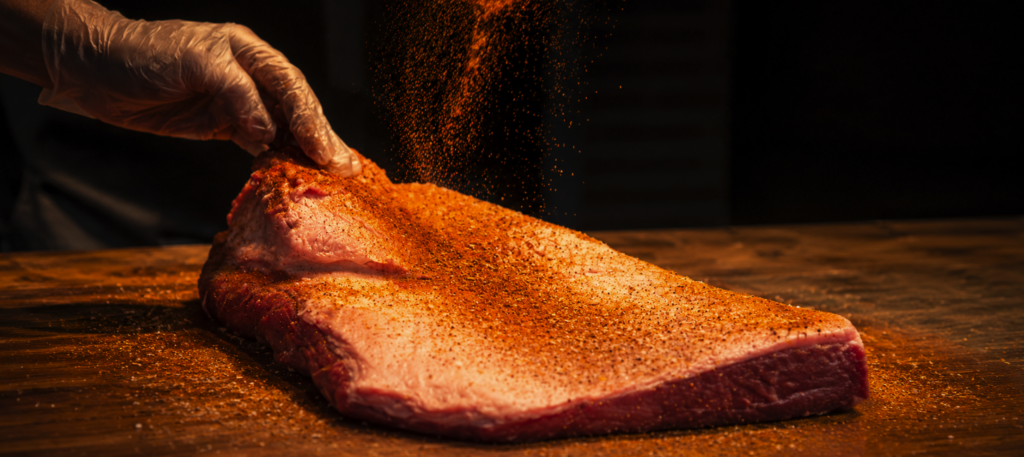
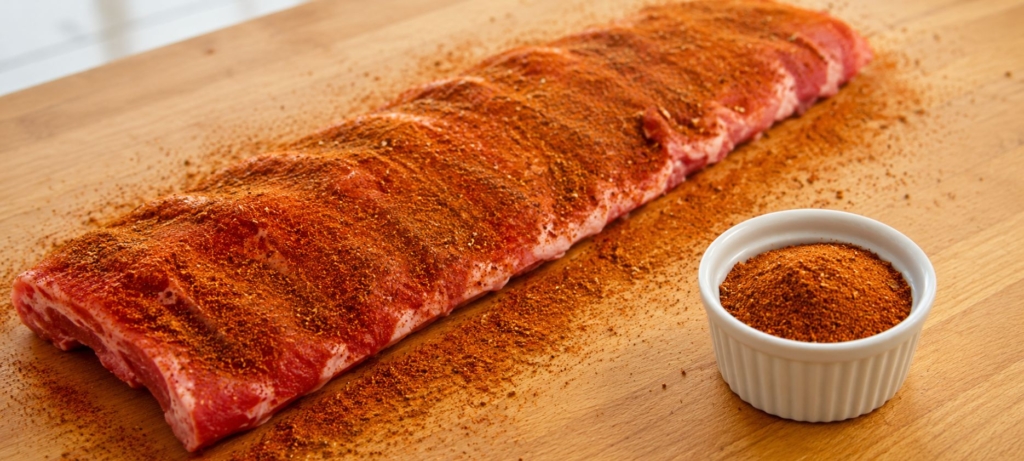
Some put a rub right on the meat and then massage it in. Others lay down a mustard base first to act like glue, while still others make a wet rub by mixing it with water, oil, or booze. It’s up to you. I like to just get the meat wet with water by wetting my hands and patting the meat. A spray bottle works, too. Then I sprinkle the BBQ dry rub seasoning on top.
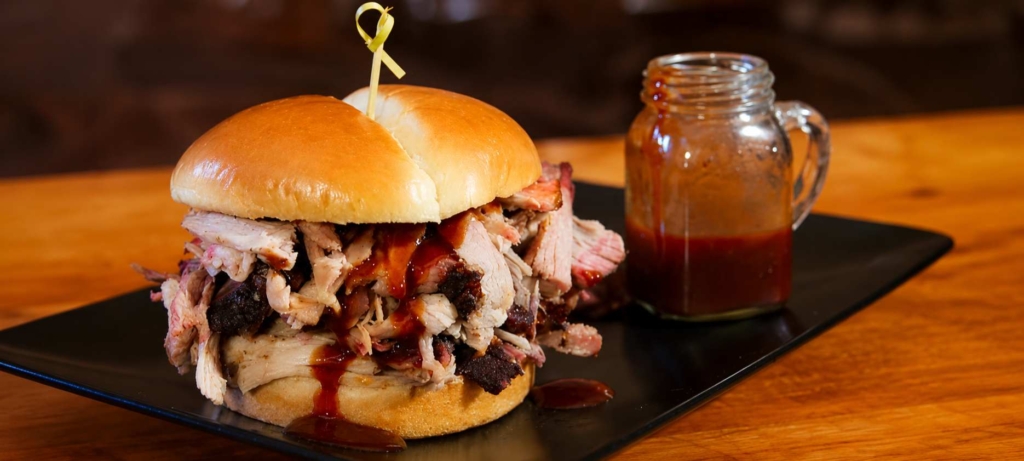
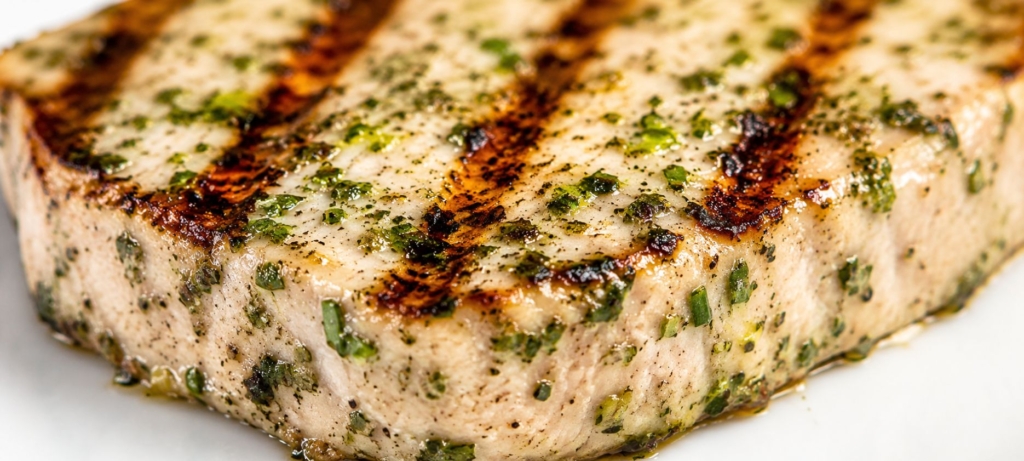
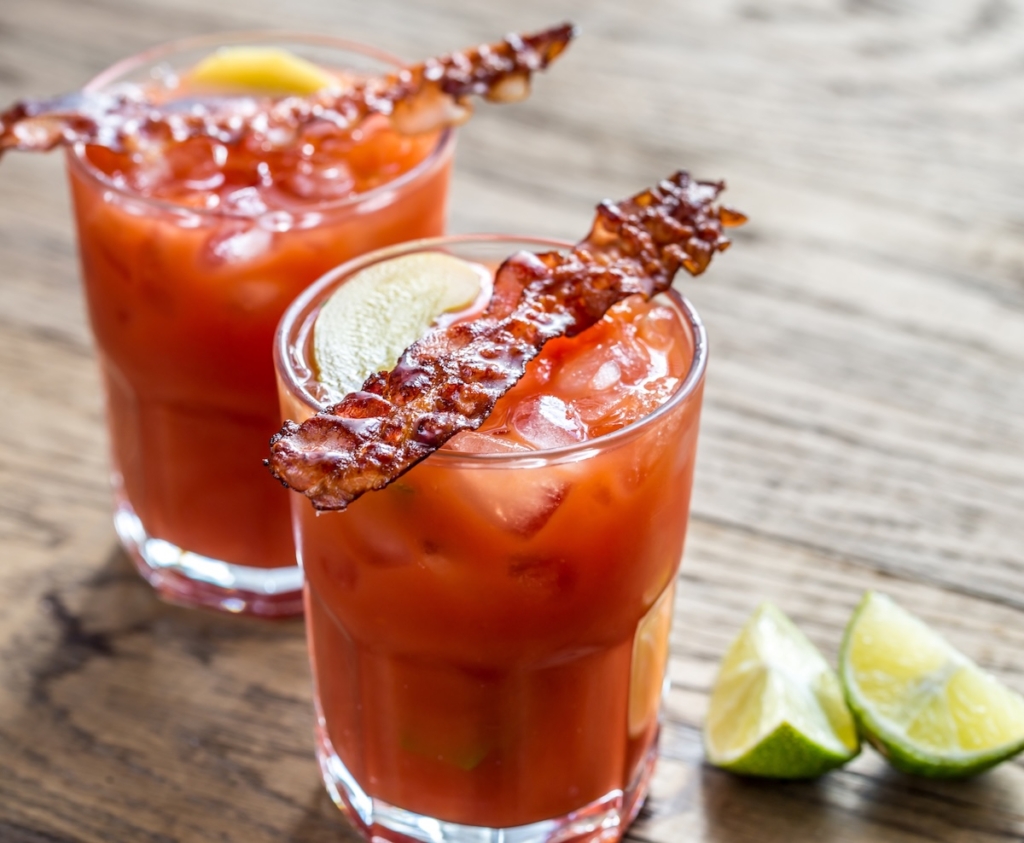
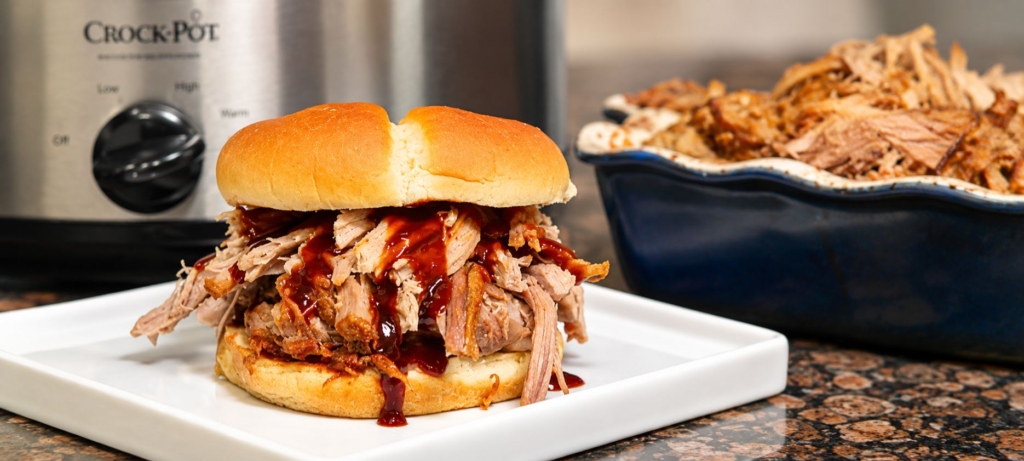
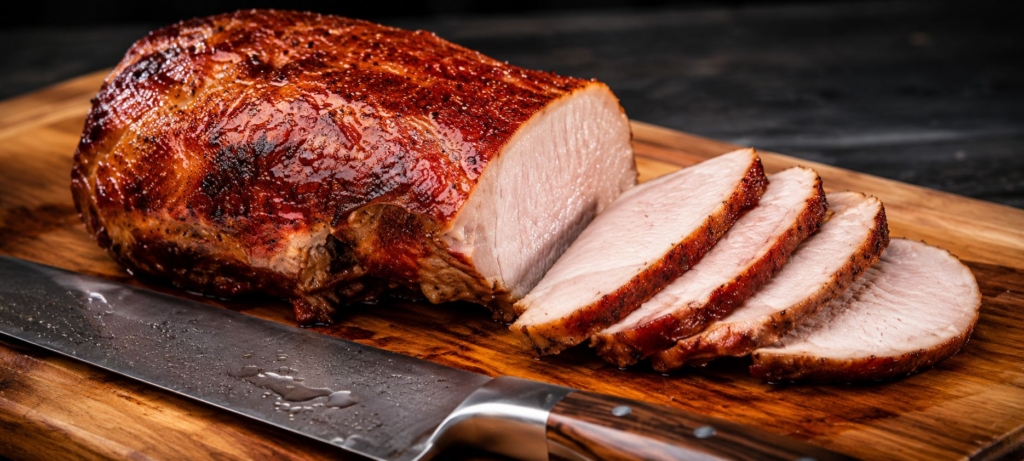
After using it on my Last Meal Ribs and my Perfect Pulled Pork, try this BBQ rub on salmon, raw celery stuffed with cream cheese, on the rim of a Bloody Mary, and even popcorn.
If you like this Memphis dust rub recipe, you’ll love…
- Memphis Dry Rub Recipe, Rendezvous Style
- Mrs. O’Leary’s Cow Crust: The Perfect Beef Dry Rub Recipe
- Big Bad Beef Dry Rub Recipe
- Simon & Garfunkel Spice Rub For Poultry Recipe
- Dolly’s Rub Is The Only One You Ever Need For Lamb
- Get a Taste Of N’awlins With This Cajun Seasoning Rub Recipe
- The Only Fish Rub Recipe You’ll Ever Need
Want a new set of tools? Check out Meathead’s new book, The Meathead Method. It’s a toolbox that will elevate all your cooking. Alton Brown calls it “The only book on outdoor cookery you’ll ever need.”

Meathead’s Memphis Dust Rub Recipe
Makes
About 2 1/2 cups/591.5 mlIngredients
Method
- Mix. Grind the rosemary leaves into a powder. Mix the ingredients thoroughly in a bowl. If the sugar is lumpy, crumble the lumps by hand or on the side of the bowl with a fork. If you store the rub in a tight jar, you can keep it for months. If it clumps just chop it up, or if you wish, spread it on a baking sheet and put it in a 225°F (107.2°C) oven for 15 minutes to drive off moisture. No hotter or the sugar can burn.
- How to use it. Since our rub recipes contain no salt (we explain why in the headnote above), we recommend you sprinkle on 1/2 teaspoon of Morton Coarse Kosher Salt per pound (453.6 g) of meat up to 12 hours in advance. For most meats, dampen the surface of the meat with water and sprinkle enough Meathead's Memphis Dust on to coat, but not so much you can't see the meat below. Apply the rub thick enough to make a crunchy crust. Keep your powder dry as the old expression goes. To prevent cross-contamination, one hand sprinkles on the rub and the other hand does the rubbing. Don't put the hand that is rubbing into the powder or use it to hold the bottle.
- For A Whole Hog. If you are doing whole hog on a cinderblock pit over direct heat, you don't want to risk the sugar burning, so omit the sugars.

Before you can post a comment or question you must sign into our commenting partner, Disqus. This helps make sure everyone hanging around the grill is civil. We do not tolerate nastiness, racism, porn, inappropriate language, or attacks on others. All comments are the property of AmazingRibs.com and we reserve the right to quote them, edit them, delete them, and block people from making future comments.
Please leave comments and questions on the same page that is devoted to that subject so others can see questions and our answers when they are reading about the subject. You must enable JavaScript to use the comments section, and you must accept cookies to post comments. Note: the software that runs Disqus is different from the Pitmaster Club, so members need to sign into the Pitmaster Club separately.