


How to Build a Hog Pit from Concrete Blocks

How to build a barbecue pit for cooking a whole hog from concrete block (cinder block), including illustrated plans with dimensions and various designs
The Science Of Flour, Yeast, Baking Soda, And Baking Powder
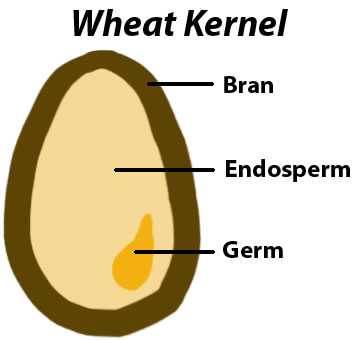
Flour is the basis of bread, pizza, pies, cakes and cookies. It can be made from grains, seeds, beans, and even roots. Here we explain the different types of wheat flour like whole wheat, all-purpose, bread and cake flours as well as the importance of measuring flour by weight with an accurate digital kitchen scale.
The New Data About Nitrites, Nitrates And Cured Meats
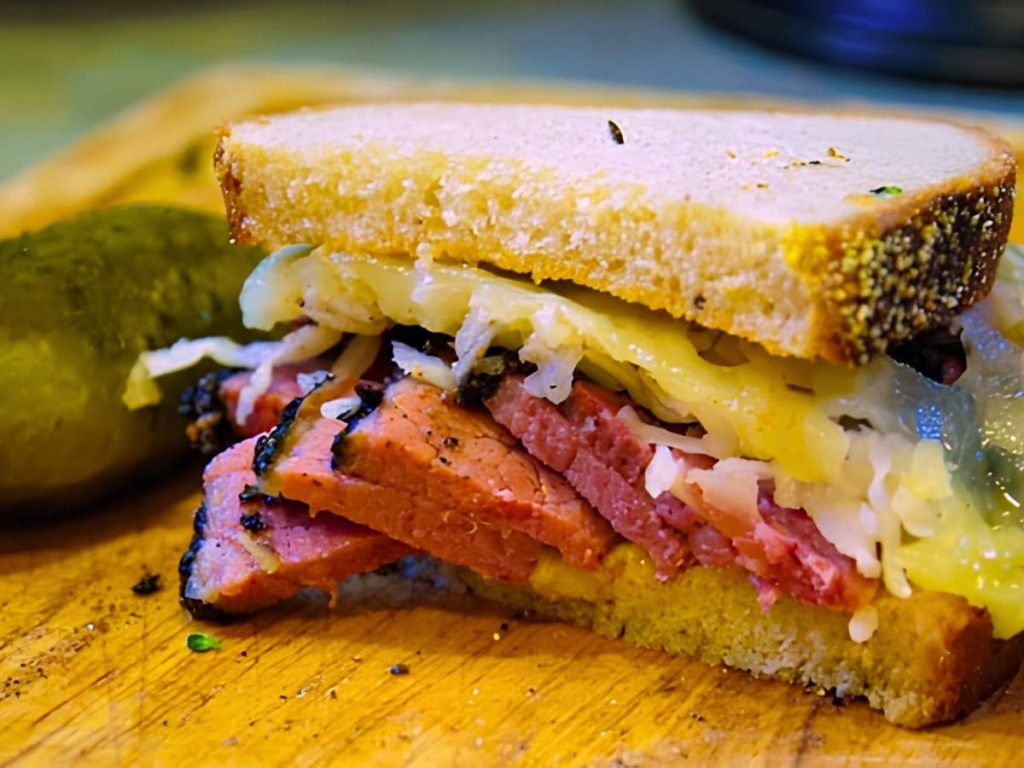
Nitrites and nitrites appear naturally in foods, and are added to many foods. Are they dangerous? Recent research is enlightening.
The Science Of Liquid Smoke
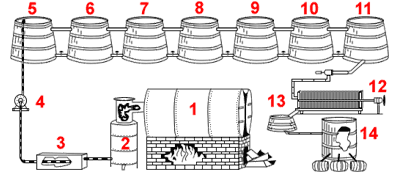
Are you a liquid smoke hater? BBQ aficionados usually are. You might be surprised to find out that liquid smoke is essentially smoked water. It is made in a process similar to making smoked brisket and ribs! Read on to find out how liquid smoke is made, what it contains, and how it compares to real smoke.
The Science of Pie Thickeners

The bane of all pie bakers is soupy pie. So experienced bakers use some sort of a thickener to make their pie fillings nice and firm. Here’s what you need to know about thickening pies with wheat flour, cornstarch, different forms of tapioca, natural fruit pectin, and modified food starches such as ClearJel.
How To Dice An Onion As Perfectly As The Professionals
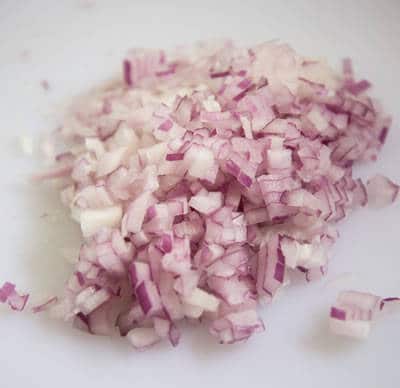
Check out our handy step by step photo sequence of how to dice onions properly. This is how the professional chefs do it. It doesn’t requires any special knife skills, but this method is safe, easy, and fast. It’s help you can get on with the rest of the food prep and finally get down to enjoying your meal!
Carving Makes a Difference in Tenderness and Appearance
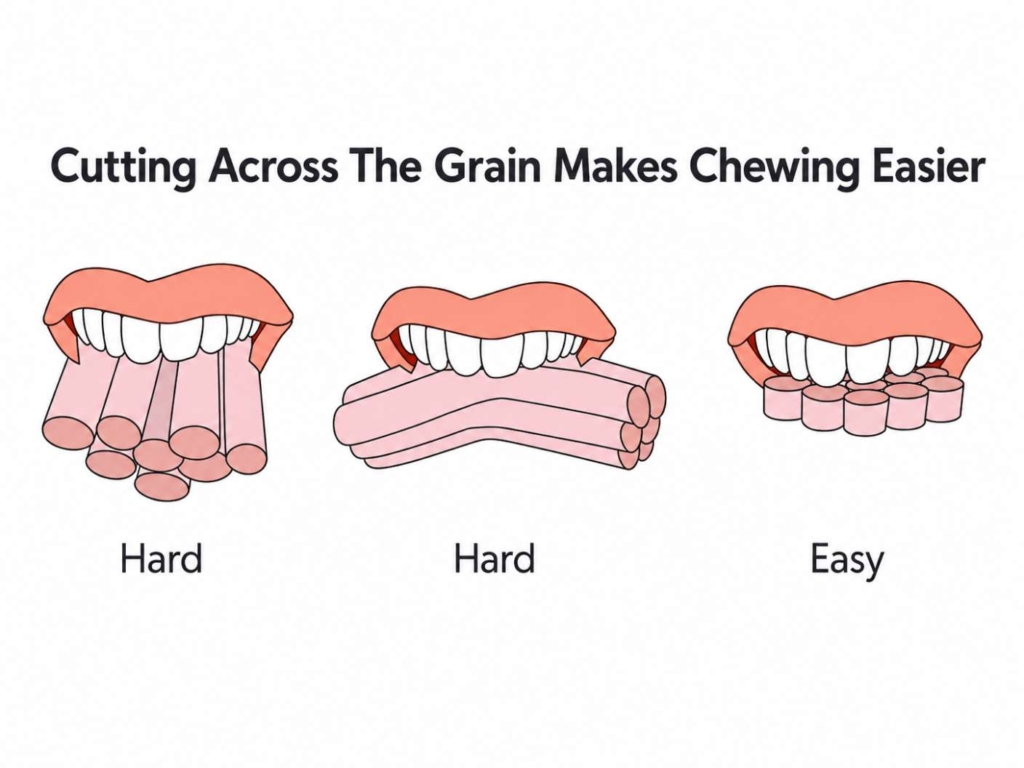
You can ruin a perfectly cooked piece of meat by carving it horribly. Why? Because meat consists of long parallel muscle fibers. If you cut parallel to the fibers, they remain intact and are difficult to chew. When you slice across the fibers or across the grain, you make them easier to chew and hence more tender.
The Science of Slawsome Slaw
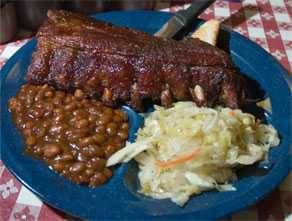
No backyard cookout would be complete with a side of slaw, whether it is a creamy coleslaw with mayonnaise, sweet-and-sour vinegar law, or a custom creation. Begin putting together the one that is right for you with this extensive tutorial.
Stickburning: Smoking With Wood
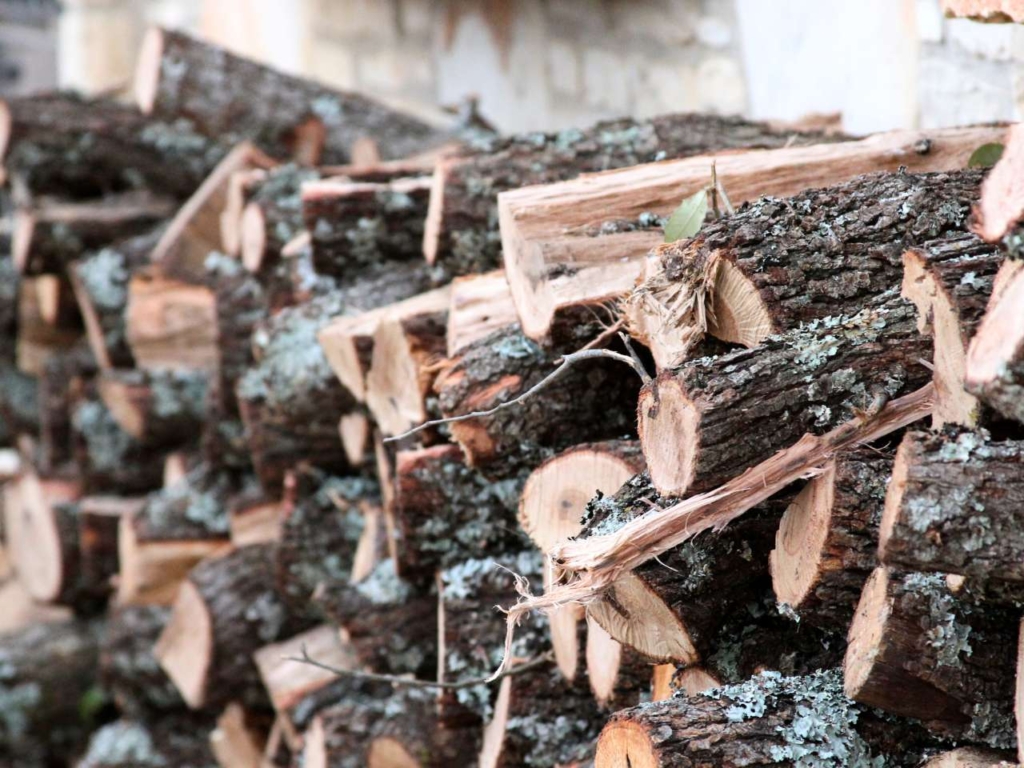
Here’s everything you need to know about smoking meat with wood logs, including working with different styles of barbecue pits and wood ovens and using different types of wood logs.
How To Get Reprint Rights To The Copyrighted Material On This Website

You need my written permission to publish or distribute anything on this website. But I’m easy.
The Science of Rice
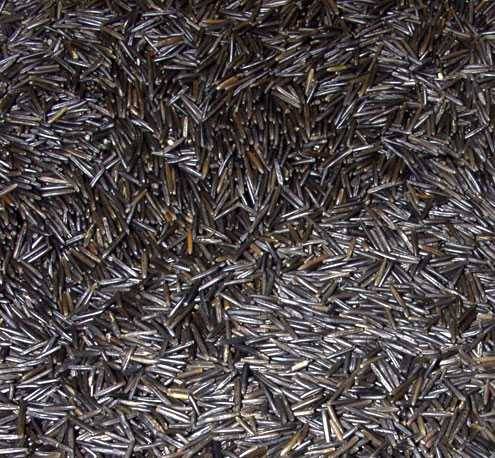
Read everything a good cook needs to know about buying, storing, cooking and serving white rice, brown rice, wild rice, arborio rice, risotto, converted rice, minute rice, instant rice, and enriched rice.
Cooking BBQ Hot And Fast, Low And Slow, And The Reverse Sear Method
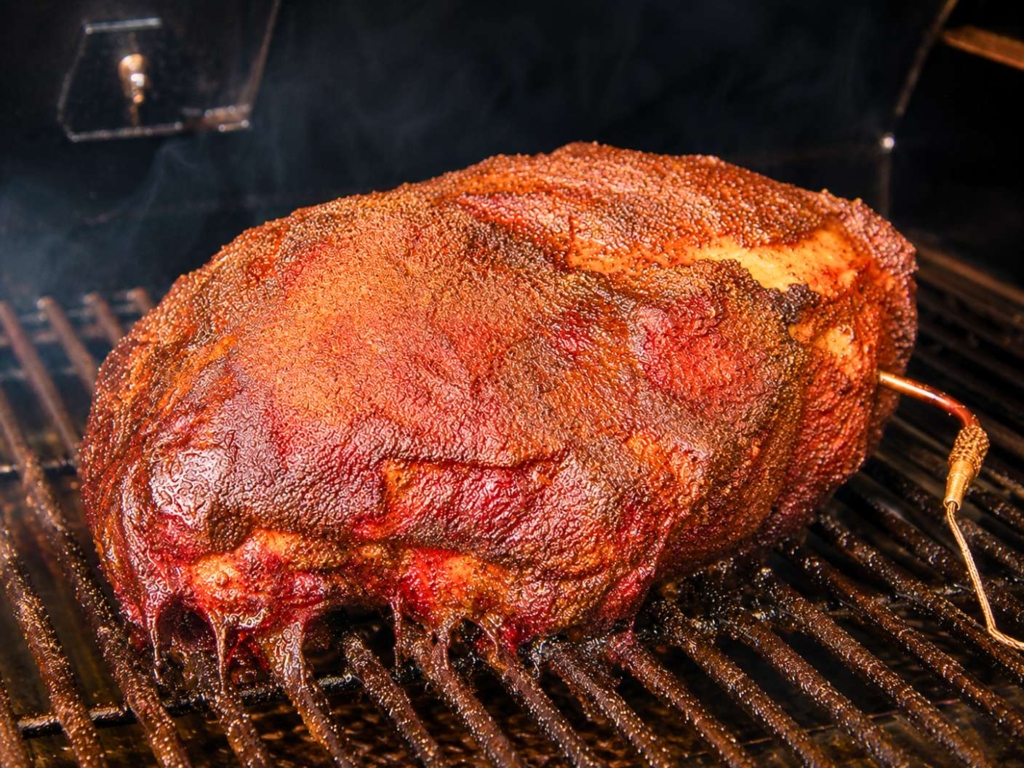
What is the right cooking temperature for barbecue? It depends. Not all food should be cooked low and slow or hot and fast. Sometimes, a combination of both is best, as seen in the reverse sear and in sous-vide-que. Read more about 2-zone cooking and when to grill with the lid up or down for perfectly cooked BBQ.
The Science of Cheeseburgers
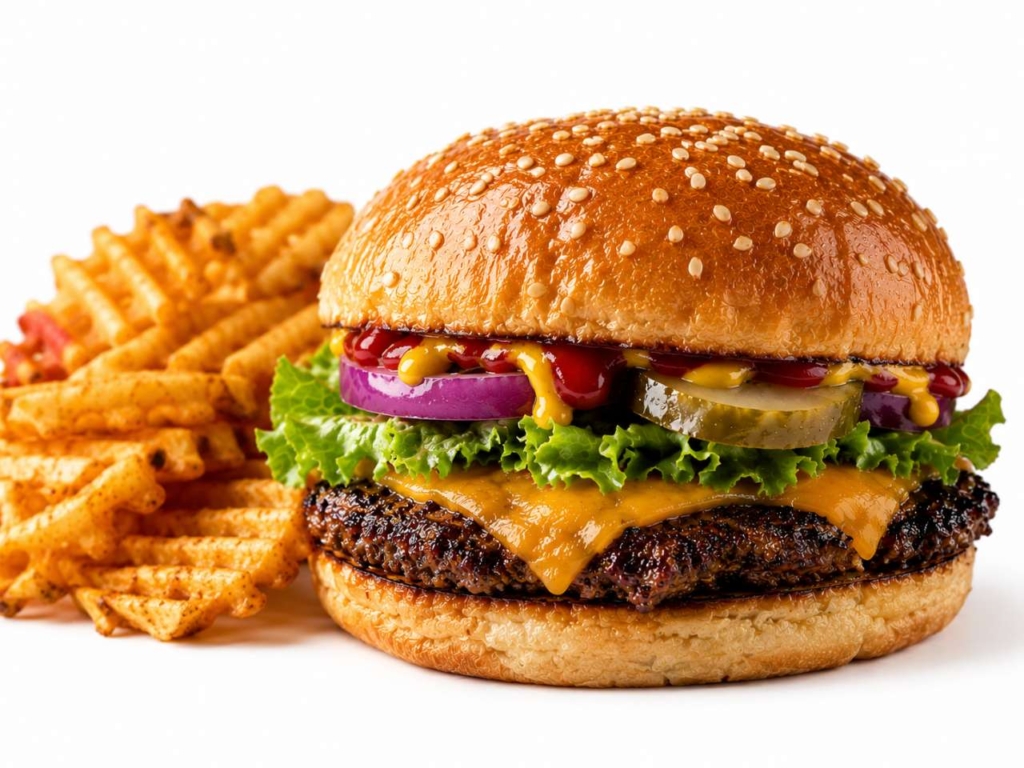
The cheeseburger is an American icon. Here’s how to make a great one including a list of the best cheeses and tips on technique.
Before You Start Cooking, Mise En Place, Put Everything In Its Place
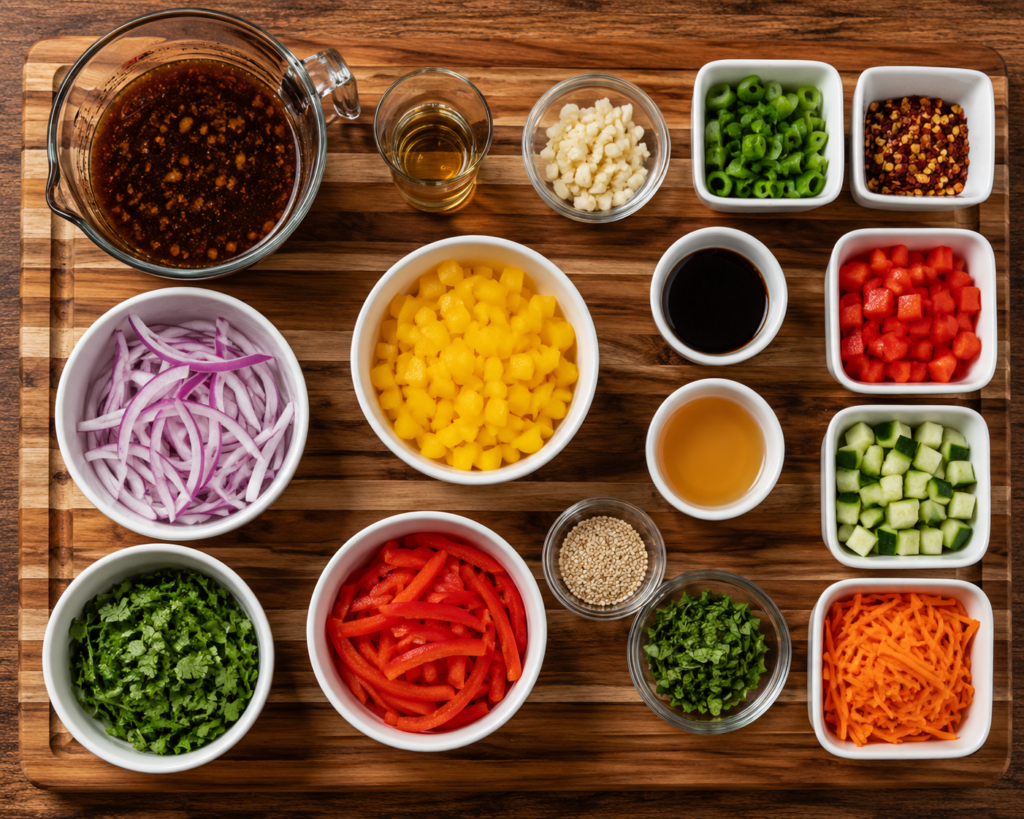
Want to be a better cook? Learn mise en place. This French term means, roughly, ‘everything in its place.’ It is a mindset and a practice that helps you plan ahead and stay organized, which streamlines the prep and cooking processes. It can help shorten cooking and cleaning times and help prevent cooking disasters.
The Science of Soy Sauce
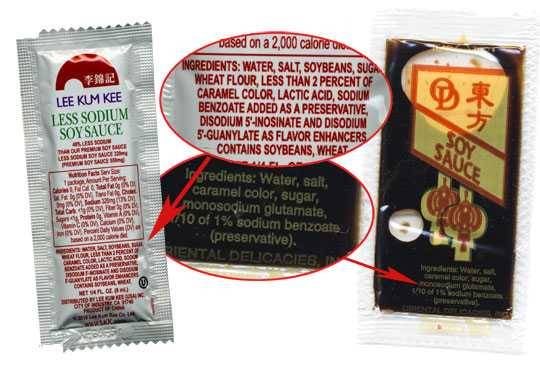
There are different types of soy sauce, but beware of the stuff in little packets from Chinese takeout restaurants: Many are not soy sauce! Get the facts on how soy sauces like shoyu and tamari are made, what’s in them, and how they bring the delicious flavor of “umami” to your food.