


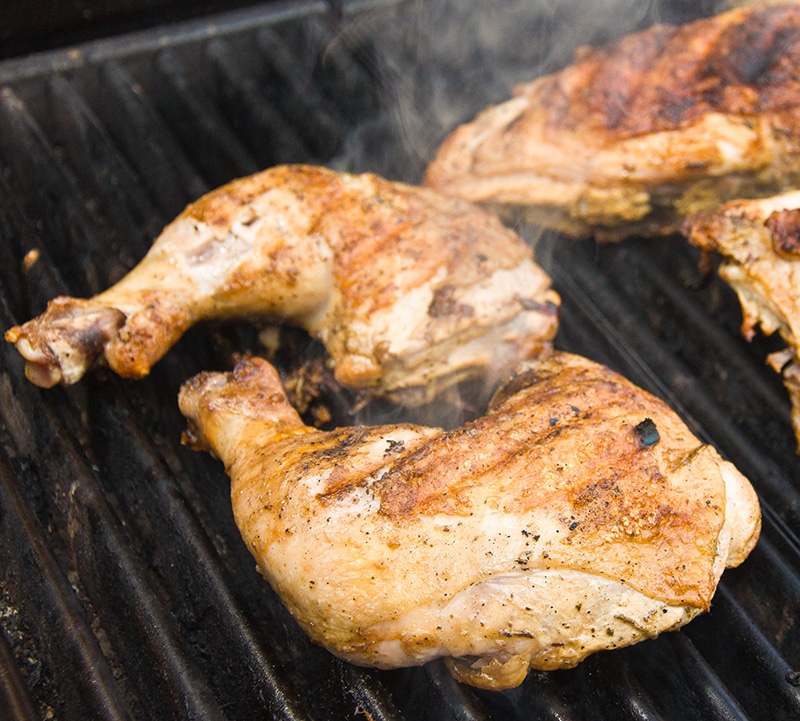
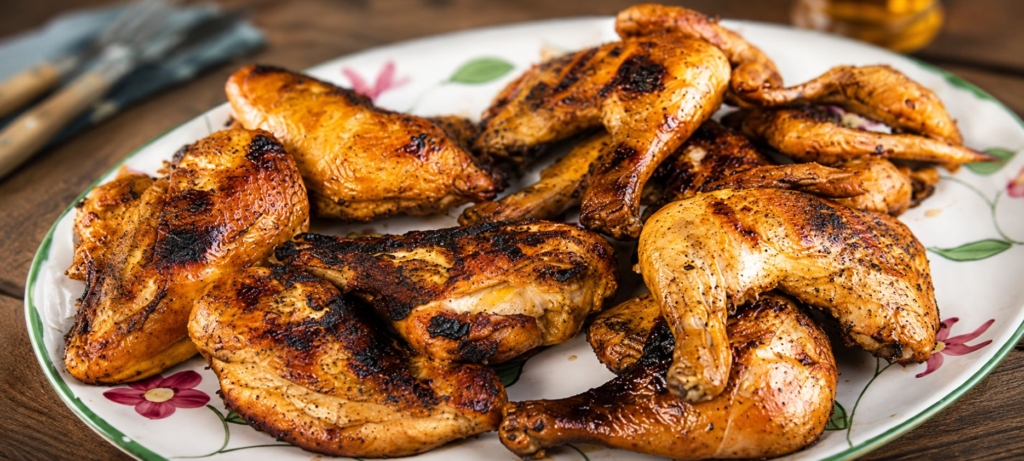
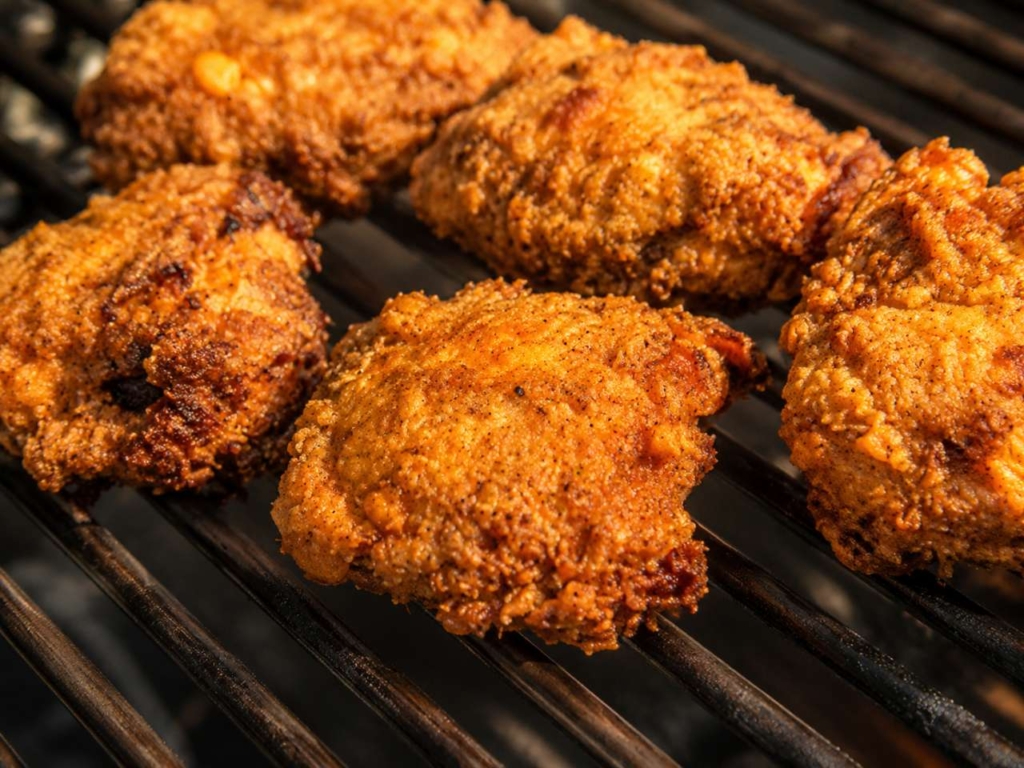
Moist and juicy with perfectly crisped skin, this grilled Cornell chicken recipe is head and shoulders above the bland and charred version many of us grew up with.
If you like grilled chicken with golden crispy skin, say “thank you,” Bob Baker. He’s the namesake for this chicken recipe that is regional in origin but universal in its appeal.
Recipe Overview: Grilled Cornell Chicken Recipe Success Formula
- Buy: 2 broiler chickens, cut into quarters
- Whisk: the egg white and yolk together, and add the oil and whisk to emulsify. Whisk in the vinegar and the salt.
- Stab: the chicken skin several times so the fat can get out while cooking, which helps make the skin crispy.
- Marinate: the chicken in a zipper bag in the fridge from 3 to 24 hours.
- Fire up. Set up the grill for 2-zone cooking. Try to get the indirect side in the 225°F (107°C) range. If you’re in a hurry, you can take it up to 325°F (163°C). Sprinkle the poultry seasoning or Simon and Garfunkel rub all over the meat.
- Cook: Place the chicken over the indirect zone and close the lid. Baste with the marinade every 5 to 10 minutes in a dabbing motion. Don’t wash off the rub. Turn the chickens on both sides, and rotate their placement on the grill so they are in both direct and indirect heat througout cooking.
- Cook: the chicken for about 60 to 90 minutes until the internal temperature of each part is 150°F (65°C). Then stop basting.
- Move: the chicken parts over to the hot side of the grill, skin side down, lift the lid and crisp the skin without burning it, for 10 to 15 minutes. Flip and heat for another 5 minutes. When the skin is crisp and the temp is 165°F (75°C), take the meat off the grill.
- Serve: the meat immediately alongside your favorite side dishes.
Summarize & Save this Content on:
The story behind grilled Cornell chicken recipe
Baker was a professor of food science at Cornell University in Ithaca, New York. I once had the honor of meeting him when my wife was a Ph.D. candidate in microbiology at Cornell. A specialist in poultry, he helped invent such oddities (at the time) as chicken nuggets, turkey ham, and poultry hot dogs.
In picturesque Ithaca, located about six hours north and west of New York City, he’s remembered for Cornell Chicken. You can find this wonderful recipe across Western New York even though, much to the chagrin of Ithacans, he created the original version at Penn State, just before he got a job at Cornell. The oldest version was featured in a Cornell Cooperative extension Bulletin probably from the early 1950s. Below is a photo of Nathan “Nate” Hardy from the early 1960s in Almond, NY, cooking Cornell Chicken, contributed with permission by his family. The buildings in the background were once chicken houses.

I lived in Ithaca for 18 years and fell in love with this recipe in a hurry. Every fundraising event, fire department cookout, and little league barbecue must serve this recipe or nobody would come. Even though Baker died in 2006, his family continues to operate Baker’s Chicken Shack at the New York State Fair in Syracuse.
The science behind our grilled Cornell chicken recipe
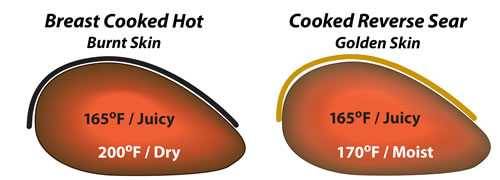
Below is my slightly modernized version of Dr. Baker’s Original Recipe. I found the original recipe to be just a bit salty with three tablespoons, so I cut it back to one. He recommends cooking it over an open flame without a cover, but that method often yields charred skin, flareups, and soot deposits by the time it is cooked through. It works much better if you start it low and slow on the indirect heat side, and then move it over the direct heat at the end to crisp the skin, using the reverse sear technique. It’s a technique that works for other chicken recipes, too, including my Sweet Georgia Brown Smoked Chicken Recipe, Parts or Pulled. I have also built in a precaution that will make working with raw eggs safer.
Ingredients and substitutions for grilled Cornell chicken
- One egg gets whisked with vegetable oil to create a thick and homogenous mixture to form a unique thing I like to call a brinerade, a combo brine and marinade, once vinegar is added.
- Apple cider vinegar adds some sweetness to the sauce. It’s made from apple juice and is more flavorful than distilled white vinegar, which is the other very common sauce ingredient in BBQ. For more about vinegars check out my science of vinegars article.
- Morton’s Coarse Kosher Salt goes into the marinade. Don’t forget though, kosher salt is half the concentration of table salt so if you use table salt, use half as much. Check out my article on the science of salt.
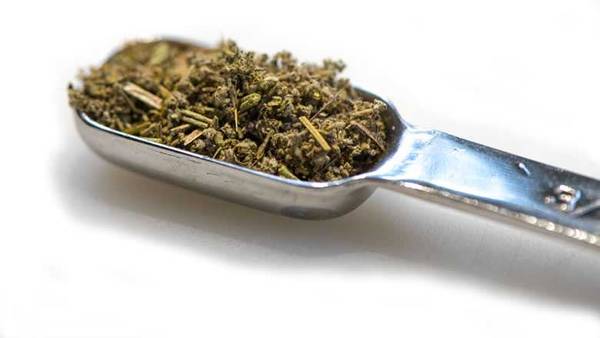
- Poultry seasoning or Simon and Garfunkel rub are both excellent choices for rubbing onto the chicken. They have similar herbs in them, but both work well with chicken. (The reasons why herbs and spices work together are pretty interesting!)
- 2 broiler chickens are quartered and tossed with the ingredients for the marinade. The original recipe calls for cutting the chickens in half, but I think it is better to quarter them since breasts and thighs cook at different rates, with the breasts being thicker, but less forgiving. You can overcook thighs and drums a bit and still have moist meat, but not breasts.
Grilled cornell chicken recipe, step by step
- Whisk the egg with a balloon whisk or fork. Add the oil and whisk until it’s thick, homogenous and bright yellow, about 2 minutes.
- Whisk in the vinegar and salt to make a brinerade: a marinade/brine hybrid.
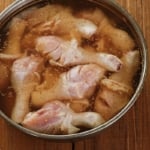
- Stab the chicken several times with a fork so the fat can escape when cooked. Marinate the chicken for 3 to 24 hours in a zipper bag in the fridge. Turn the meat every hour or so to make sure the chicken is consistently coated.
- Set the grill or smoker up for 2-zone cooking and try to get the indirect side in the 225°F (107° C) range. Sprinkle the rub and black pepper on all sides of the meat.
- Place the chicken in the indirect zone and close the lid. Every 5 to 10 minutes, baste the chicken with marinade by dabbing rather than painting it. Don’t wash off all the rub. Rotate the position of the chickens so they receive equal time in the direct and indirect zones.
- Cook the chicken for about 60 to 90 minutes until the internal temperature of each part is 150°F (65°C). Stop basting.
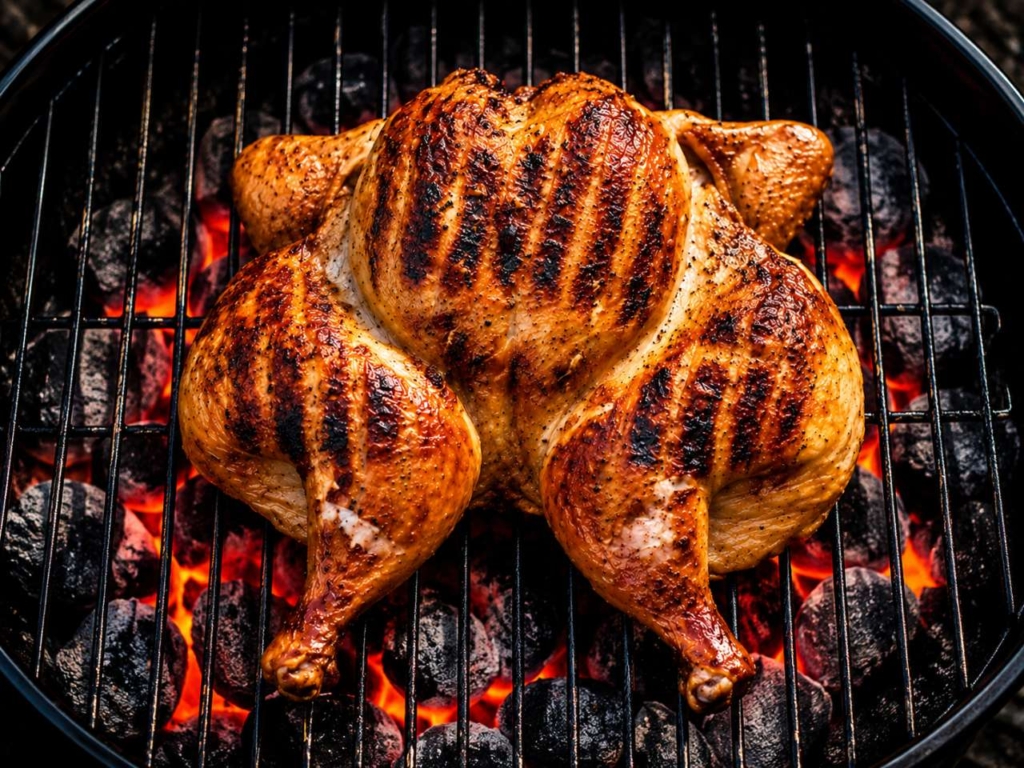
- Move the chicken over the hot, direct-heat side of the grill, skin side down. Lift the lid and cook for 10 to 15 minutes to crisp the skin without burning it. Flip and heat for 5 minutes more.
- When the skin is crisp and the temp is 165°F (75°C), take the meat off. Even if it is a bit red in there when you cut in, it is safe at 165°F (75°C).
- Serve the chicken along your favorite side dishes.
Grilled Cornell chicken recipe FAQs
No tomato or sugar enteres this sauce. Instead, it’s typically an emulsified blend of apple cider vinegar, an egg and vegetable oil, along with salt, pepper, and poultry seasoning. It’s tangy and savor, without all the stickiness or sweetness of traditional bbq sauces.
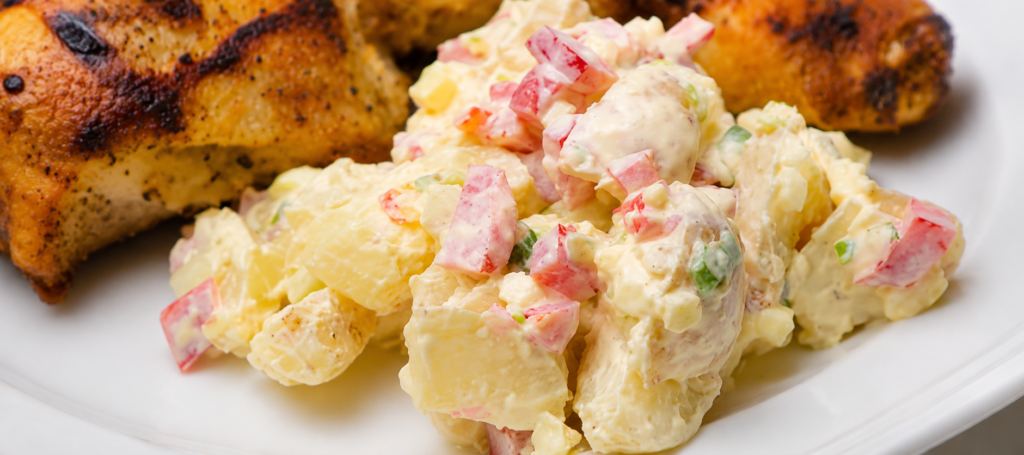
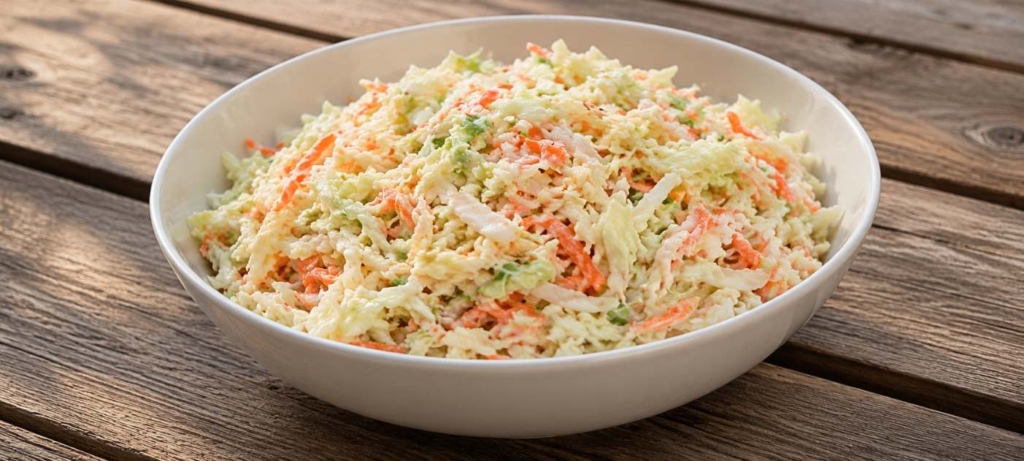
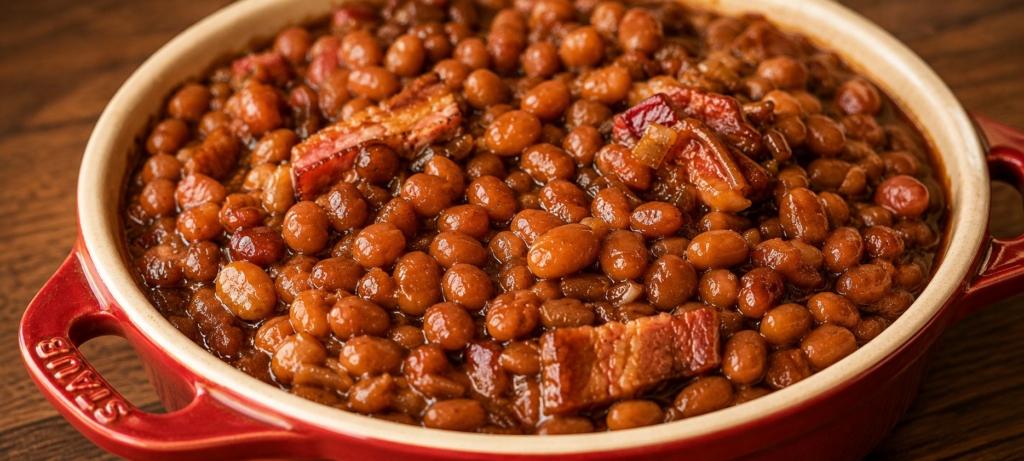
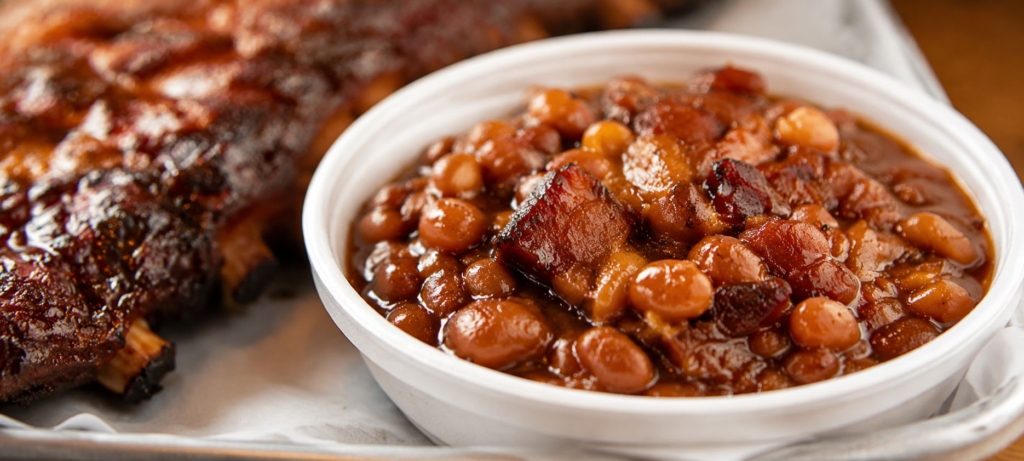
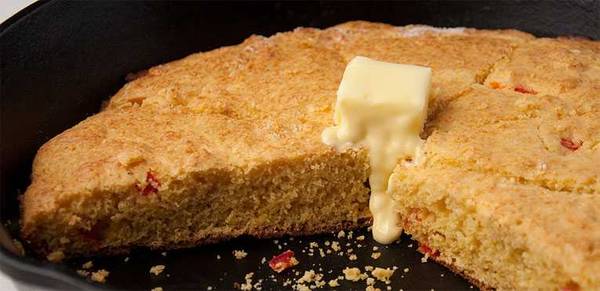
Serve Syracuse Salt Potatoes, small white local potatoes boiled in salty water. The region produces a lot of cabbage, so you can make Waldorf Slaw, too. Wash it all down with a glass of Riesling from the Finger Lakes. End the feast with Concord Grape Pie a unique invention from nearby Canandaigua Lake topped with a scoop of ice cream from The Cornell Ag School’s Dairy Bar where they students are taught to make it properly. I’ll have the world’s best butter pecan, please.
Cornell chicken has crispy and golden skin and incredibly juicy and tender meat thanks to the marinade’s unique emulsification properties, which include an egg and oil.
Yes! If you don’t have access to an outdoor grill, you can bake this dish. You’d need to bake it at 375°F for 30 to 45 minutes, basting and flipping the chicken periodically. Set the chicken on a wire rack placed on foil-lined rimmed baking sheet. Turn the broiler on for the last couple of minutes before the chicken reaches 165°F (74°C).
Yes! It is very close to a mayonnaise, so you can store the sauce in the fridge for a few days, even though there is raw egg. The vinegar, salt, and cold will prevent salmonella from multiplying. Cooking it to 165°F, of course, makes it perfectly safe.
If you like this grilled Cornell chicken recipe, you’ll love . . .
- You’ve Never Experienced Better Grilled Boneless Skinless Chicken Breasts
- Sweet Georgia Brown Smoked Chicken Recipe, Parts or Pulled
- Finally, a Great Chicken Liver Spread Recipe + 50 Ways to Love Your Liver
- Having a Luau? Here’s the Easiest Hawaiian Huli-Huli Chicken Recipe
- Grilled Buffalo Wings Recipe

Bob Baker’s Crispy Grilled Cornell Chicken Recipe
Ingredients
Method
- Prep. In a large bowl, whisk the egg white and yolk together with a balloon whisk or a hand mixer. Add the oil and whisk until it gets thick, homogeneous, and a bright yellow, for about 2 minutes. A balloon whisk is the best tool for this job since the wire strands really do a good job of emulsifying (mixing together) two ingredients that don’t want to mix, one oil based, the other water, but a fork will do in a pinch. Now whisk in the vinegar and salt. This makes it a brinerade, a combo brine and marinade.
- Stab the chicken skin several times with a fork or knife so the fat can get out when cooking. This will help make the skin crispy. Marinate/brine the chicken for 3 to 24 hours in zipper bags in the fridge. You can do this in a bowl or pan, but you need more marinade than if you use zipper bags. Every hour or so, turn the meat a bit so all surfaces get well coated.
- Fire up. Set up the grill for 2-zone cooking. Try to get the indirect side in the 225°F (107°C) range. If you're in a hurry, you can take it up to 325°F (163°C), but I prefer low and slow. Sprinkle the rub and black pepper on all sides of the meat.
- Cook. Place the chicken over the indirect zone and close the lid. Every 5 to 10 minutes baste with the marinade in a dabbing motion rather than a painting motion, being careful to not wash off the rub, turn the chickens on both sides, and move the ones closer to the heat away and the ones away closer.
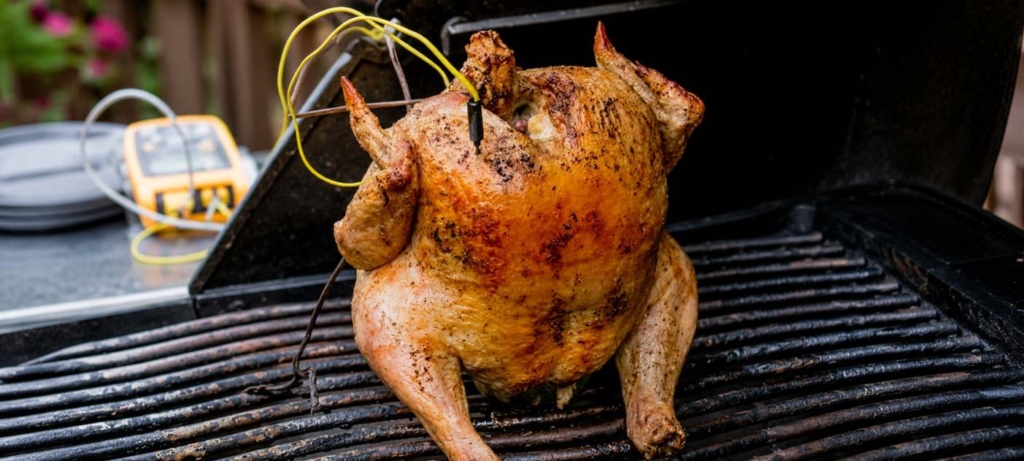
- Cook the chicken for about 60 to 90 minutes until the internal temperature of each part is 150°F (65°C)and stop basting. The baste is contaminated and we want the final searing step to pasteurize the surface of the meat. Exact time will depend on how thick the meat is, and how often you basted. Then move them over the hot direct heat side of the grill, skin side down, lift the lid, and crisp the skin without burning it for 10 to 15 minutes. Flip and heat for about 5 minutes more. This step is important to finish the cooking of the meat, crisp the skins, and make sure everything is pasteurized since raw egg can contain salmonella. When the skin is crisp and the temp is 165°F (75°C), take the meat off. Even if it is a bit red in there when you cut in, it is safe at 165°F (75°C). You cannot judge a chicken's safety by the color of the juices! When cooking chicken you must use one of the fine new digital thermocouple thermometers available nowadays to make sure your poultry and other foods are cooked properly for taste and safety.
- Serve. Serve the chicken immediately alongside your favorite side dishes.


Before you can post a comment or question you must sign into our commenting partner, Disqus. This helps make sure everyone hanging around the grill is civil. We do not tolerate nastiness, racism, porn, inappropriate language, or attacks on others. All comments are the property of AmazingRibs.com and we reserve the right to quote them, edit them, delete them, and block people from making future comments.
Please leave comments and questions on the same page that is devoted to that subject so others can see questions and our answers when they are reading about the subject. You must enable JavaScript to use the comments section, and you must accept cookies to post comments. Note: the software that runs Disqus is different from the Pitmaster Club, so members need to sign into the Pitmaster Club separately.