

Build a better bar with our expert guide to home bar essentials, featuring the tools, glassware, and accessories every cocktail enthusiast should own.
Whether you’re mixing Old Fashioneds, Manhattans, Margaritas, or Mojitos, or pouring the perfect beer or glass of wine, the right equipment makes every drink easier to prepare and more enjoyable to serve. Our buying guides and reviews cover everything you’ll need to stock a first-class home bar, including wine glasses, corkscrews, beer mugs, muddlers, and cocktail recipe books. Every recommendation is based on hands-on testing and practical experience so you can spend less time shopping and more time enjoying great drinks with family and friends.
A note on corkscrews
Claire Bretecher, a profound French cartoonist, once drew this pathetic, wordless sequence: She is lying on her mattress on the floor, bawling her eyes out, while his scowling memory hovers in a thought balloon overhead. She gathers her strength, pulls herself together, rises, and boots the scoundrel out of her mind. Resolved, she marches determinedly into the kitchen, takes a bottle of wine from the small rack under the counter, and, newly confident, threads a simple, T-shaped corkscrew into the bottle. For the next five frames she struggles vainly with the cork, wedging the bottle between her knees and yanking, holding it on the floor between her feet and pulling. Dismayed, she carries the bottle back to her mattress, corkscrew lodged tight in the unbudging cork, and again begins bawling while his scowling image reappears overhead.
You know the feeling. It has happened to you, man or woman. It has happened when the boss came to dinner, in a hotel room, or on a picnic. It need never happen again.
Where Bretecher’s woman screwed up was not by choosing the wrong man, but by choosing the wrong corkscrew. That simple, T-shaped device is frustration incarnate. Samuel Henshall, who patented it in 1795, should be immortalized in the wax museum beside the Marquis de Sade.
A replacement is necessary, because in this age of microchips and rocketships, most fine wines are sealed with a plug of resilient, spongy wood cut from the bark of the Quercus suber, more commonly known as the cork oak tree.
Cork hugs the glass neck of the bottle with tenacity. When kept moist by the wine in a reclining bottle, corks can last 25 years or more before they have to be replaced.
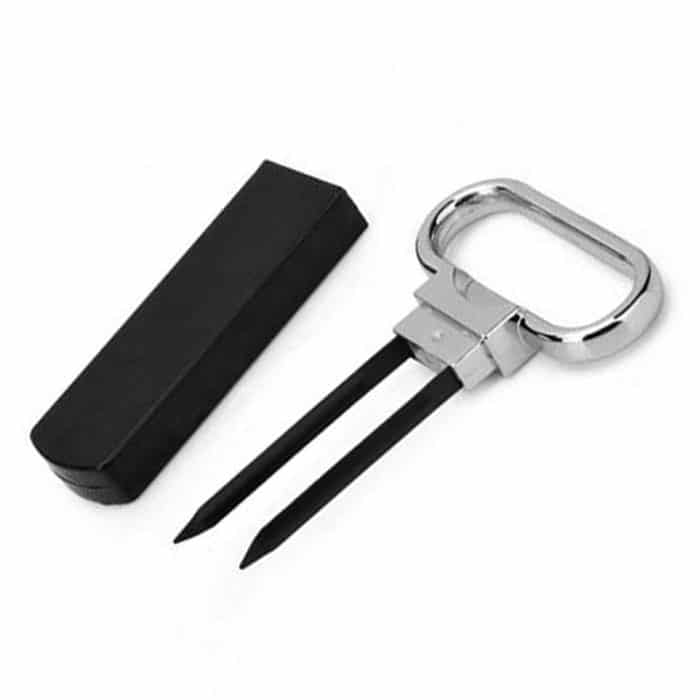
So if you have acquired the civilized habit of a refreshing glass of wine with your meal, here are a few tips on selecting and using cork pullers, the queen of home bar essentials.
Tips on corkscrew technique
Once you have a good corkscrew, there are a few pointers you should know for smooth operation.
- The first step is to prepare yourself mentally. Breathe deeply, and repeat three times, “I am smarter than the cork.”
- Then peel away all the foil or plastic capsule and wipe the top. Mold and other gunk hang out on cork tops and can give the wine an odd taste.
- Keep your tip sharp. Sharp tips on corkscrews prevent cork bits in the wine.
- Make sure the tip of your corkscrew is aligned with the rest of the helix so that it is not boring its way down while the rest of the helix is tearing a wide hole. Always insert the helix in the center of the cork and be certain it is going straight in.
- If something goes wrong, stop and think. Remember that you are smarter than the cork. Do not force the issue. If only half the cork is coming out, screw the helix in deeper. If it is pulling out the center only, remove the corkscrew and drill another hole where you can start over again, or screw the helix down the side and try to pull it from there.
Choose your weapon
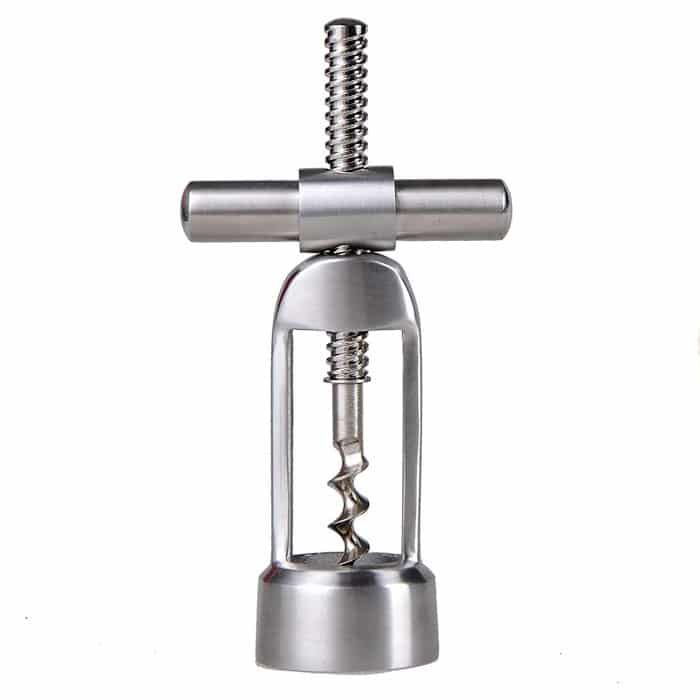
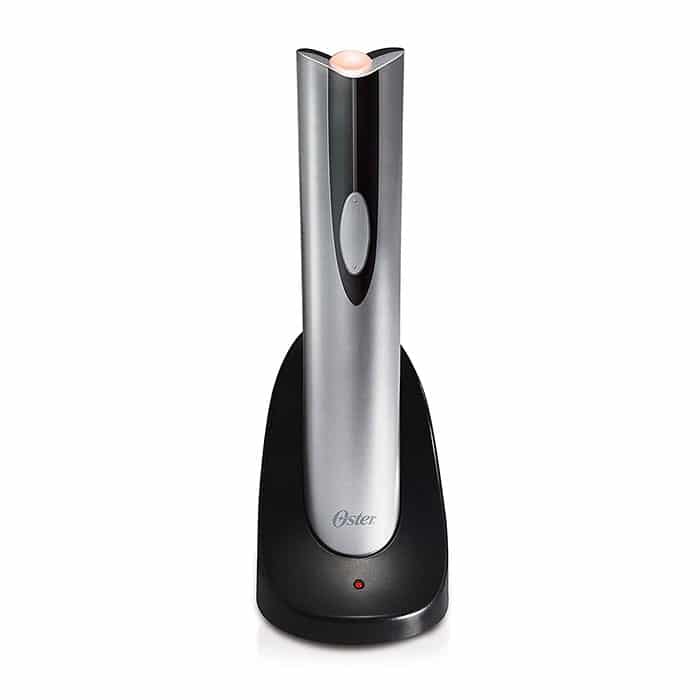
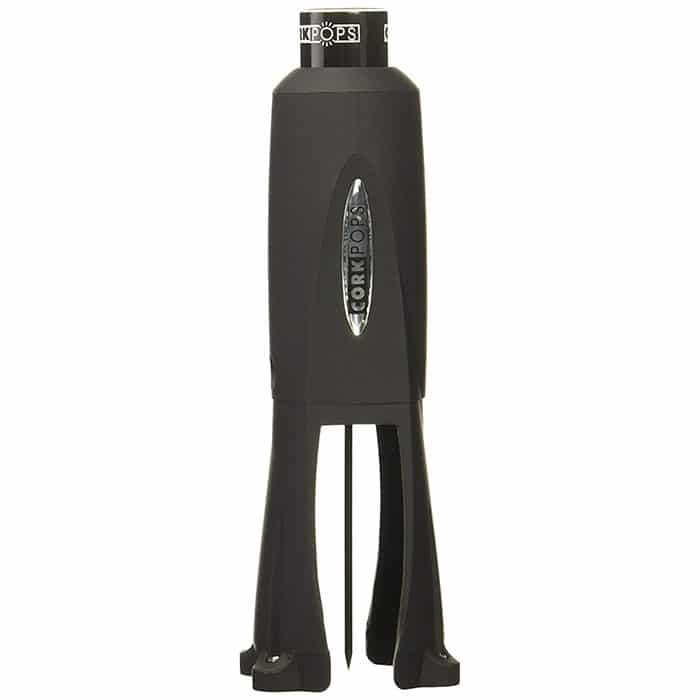
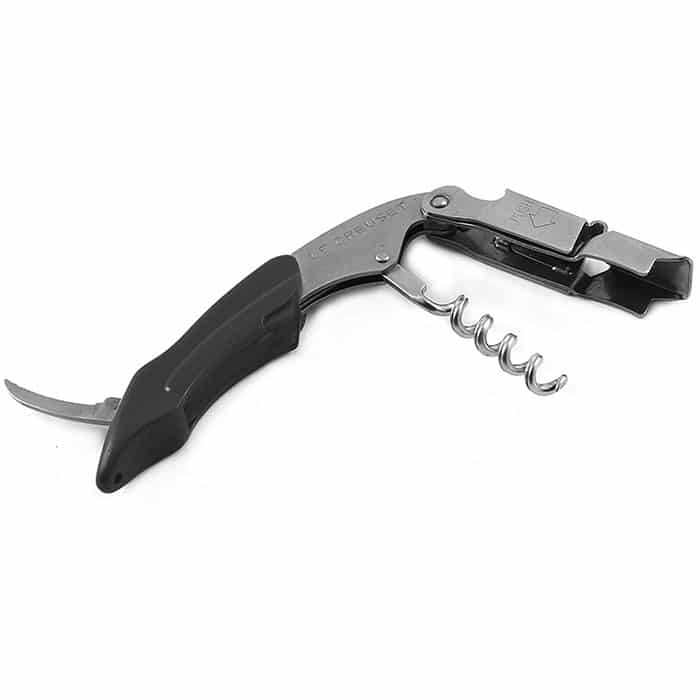
The T-shaped Henshall screw is a worthless piece of junk. Right now, get up and go into your kitchen and throw yours out. The good news is there are several designs for corkscrews that work flawlessly. A few are even idiot-proof. You would not cut your lawn with a pair of scissors, and neither should you try to pull a cork with a device originally designed to remove perfume stoppers. Go out and buy a real cork remover. There are three features to look for when selecting a cork remover.
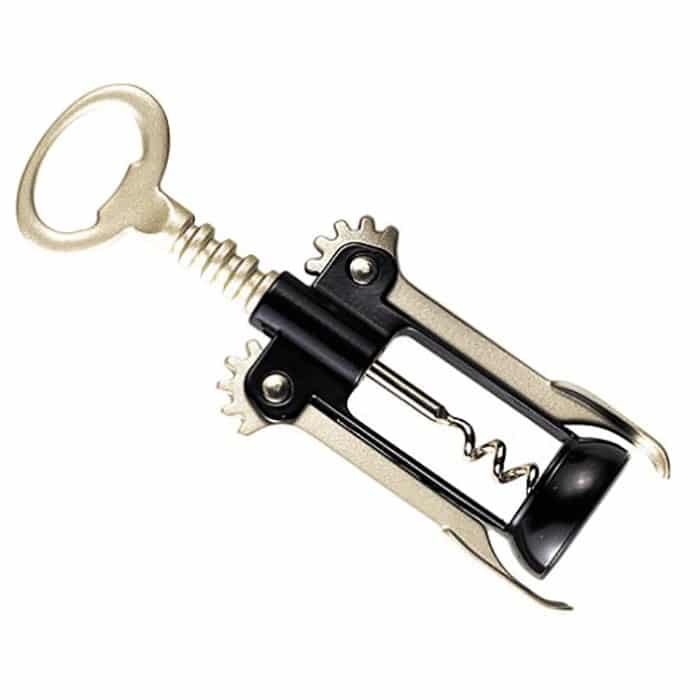
- Worms not augers. The part which is inserted into the cork should be a helix formed from a heavy wire that looks like a coiled worm. These wire worms do not tear the cork as they wind through it. Augers, whose thread is more like a screw, tear corks and should be avoided.
- Mechanical advantage. The device should give you a mechanical advantage with levers, gears, or screws. Its design should translate a gentle motion on your part to forceful action on the cork.
- Wide and long. Make sure the worm is wide enough and long enough to get a good grip on the whole cork. Narrow worms tend to pull out only the center of the cork, while worms shorter than 1.75″ only screw through part of a long cork, and often tear it in half.
I have personally used all of these devices many many times.